This is my practical guide to doing a Narva day trip from Tallinn, including what’s worth it, what to skip, and how different seasons changes the experience.
Narva was one of those places in Estonia I kept postponing because I wasn’t sure I’d even like it. I heard too many mixed opinions, and most of what comes up online didn’t help me picture what the day would actually feel like.
I’ve been to Narva in summer and winter, but route and details in this post are based on my last winter visit, when I explored it properly.
Here’s my straight, practical take on whether Narva is worth it as a day trip from Tallinn, whether it is safe or not so much, how to do it without wasting time, what changes by season, and exact route that worked for me.
Narva Day Trip Planning Shortcut
Everything you need before you start reading – how to get to Narva, what’s worth booking, and what makes the day feel worth it.
Best base in Narva (only if staying overnight):
- Apartment with Narva Castle view – nice central and modern flat right in front of the castle
- Narva Hotell & Spaa – most practical base for sightseeing with a spa for the evening
- Meresuu Hotel – full spa hotel by the coast with a much nicer overnight atmosphere
Day tours from Tallinn:
- Narva + “view of Russia” day trip – the simplest Narva day trip from Tallinn
- Narva + Narva-Jõesuu day trip – best summer-style version with city & quick coast visit
- Legends/Mysticism of East Estonia – best for a regional day trip (not just Narva)
- Private day trip to Narva & Russian border – private car, flexible pacing & no group schedule
How to get to Narva from Tallinn (book options):
- Car (best flexibility) – rent a car from the airport (we like most of all the Dollar company)
- Train (most comfortable public option) – book Tallinn-Narva on Elron
- Bus (most departures) – book Tallinn-Narva on Lux Express or Ecolines
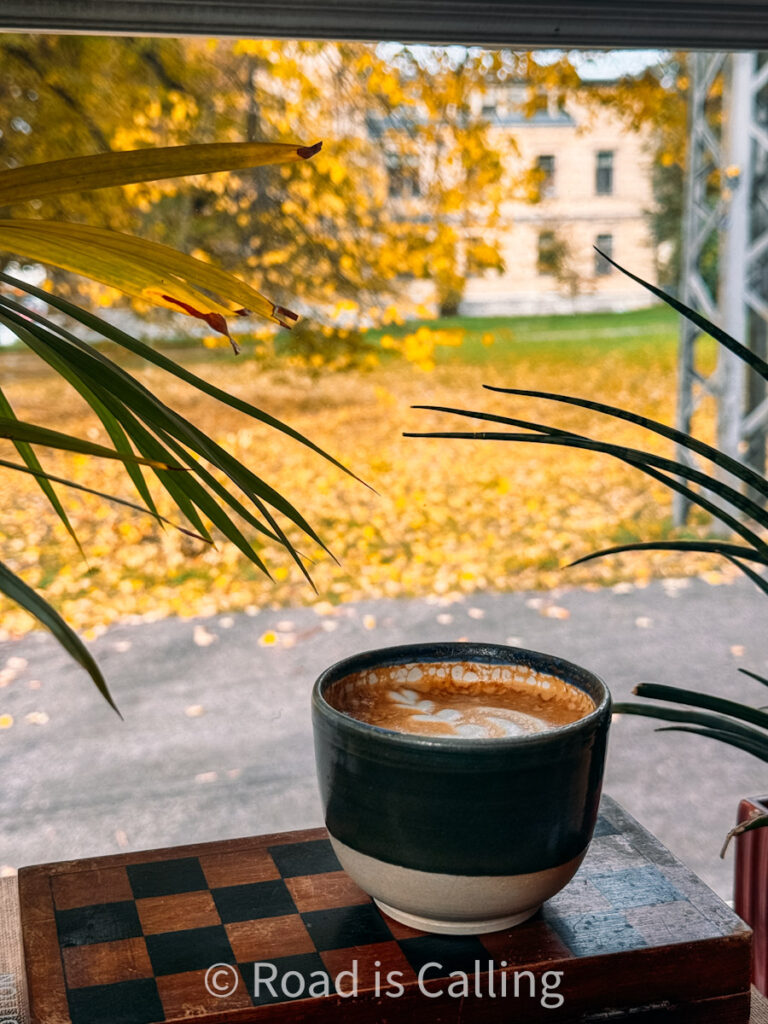
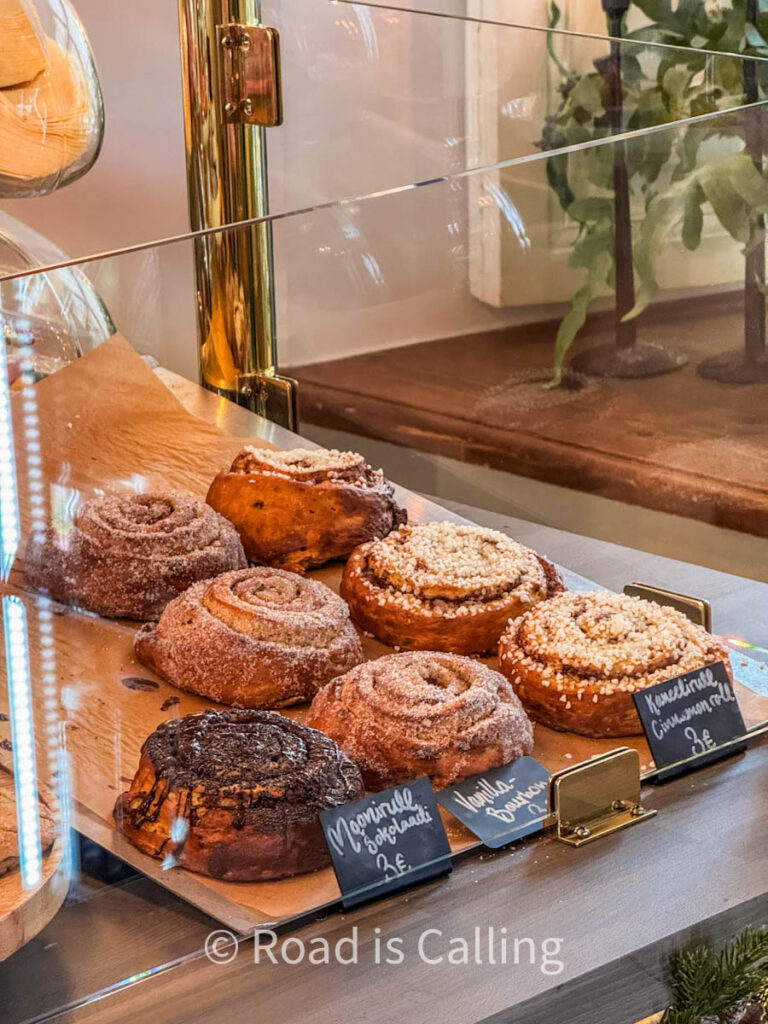
My favorite places for coffee, pastries, and good food: Bublik Cafe (morning eggs and pastries), Oven Cafe (great for any time of the day), Myata Cafe (lunch and desserts with coffee), Khachapuri (well-done Georgian food)
Is Narva Worth Visiting? Yes, and Here Is Why


In my opinion, Narva is absolutely worth visiting just to experience the feeling it gives you. It’s definitely not the prettiest city (although the park area by the river and castle is unique and impressive), but it’s the only place in Estonia (and probably the whole of Europe) where you can physically feel the EU border and Russia’s presence behind you in a heavy, uncomfortable way.
The border itself is huge – literally a long metal fence with layers of protection, cameras everywhere, barbed wire, and that tense corridor across the bridge (which is restricted) where cars and buses don’t go and people walk on foot for what feels like forever.
Two towns face each other across a river. Two fortresses staring at each other. The EU on one side and a completely different reality on the other. You look across to Ivangorod and you can see immediately some nicer houses right at the front and behind that a sense of poverty, decay, and closed-off atmosphere. It’s like a “showcase” by the river and a different world behind it.
And then you notice details like the “dragon’s teeth” – anti-tank barriers sitting on the bridge as a blunt reminder of who the border is built for, which isn’t abstract, it’s built into the city and can’t be experienced anywhere in Europe, where borders are usually invisible.

And then everywhere Narva feels kind of eerie and ‘negatively Russian’ because the whole atmosphere it carries is saturated with tense, heavy, post-Soviet energy.
What I mean by ‘negatively Russian’ or better to say ‘post-Soviet feel’ (besides the buildings) is the public attitude and language dynamic, where Russian feels like the default and is often expected from you, also how people give a cold, dismissive, superiority-tinged attitude. My husband and I, even though we spoke Russian, felt it too when we initiated a conversation.
Overall, every time it felt more like ‘why are you here at all?’ vibe with an insecure, superiority-coded attitude that so obviously leaks into normal life and makes this city feel so uneasy.
Is Narva a pleasant city to visit? Emotionally – not so much. It’s clean and maintained – in that very Estonian way where even ugly Soviet blocks are kept neat and somehow “polished”. But the atmosphere is not Estonian (because Estonian people are really warm and welcoming, just reserved), it’s Russian – tense and socially cold (although if you don’t interact with anyone, you won’t even notice it).
But, that contrast is the whole point and the exact reason why you should go. You’ll see the “EU side” where everything is clean with Nordic order, but feel the other side, which is socially and atmospherically a Russian Estonia. That combination is rare and worth experiencing (IMO).
Is Narva safe to visit?
Yes – Narva is safe to visit, nothing to worry about. That’s true that atmosphere feels uncomfortable (as I mentioned above – mainly cold, with judgmental looks and a bit of superiority), but that has nothing to do with physical safety, and it doesn’t mean anyone is going to harm you – it’s just the local social vibe and communication style.


We personally felt safe everywhere (I also spoke Ukrainian to my husband when he spoke English because he understands it very well, which got me a few long stares – like I was something alien), walking around normally, and I say this as someone who grew up around this kind of “judge first / accept later” post-Soviet mentality… yes, it feels unpleasant, but it’s not the same thing as danger.
The only “crime” angle I’ve seen mentioned more often in news is domestic violence (things that happen inside homes, often linked to alcohol and family situations), but as a visitor you are not going into random stairwells or hanging out in someone’s residential block at night – you are doing the bridge, promenade, museum(s), cafes, maybe a viewpoint, and that’s it.
For a solo female traveler, Narva is fine: you can be there even in the evening, even after dark, and feel totally safe – just use normal common sense like anywhere. Yes, it will feel uncomfortably quiet (especially in winter, when it’s freezing and the city is basically empty because everyone stays home), but it doesn’t feel risky (but I’m talking about the city center and adjacent areas, not outlying spots like Kreenholm – even though it’s a tourist sight, it’s best visited on a tour). In summer, when days are long, you can be out literally all day.
I’ll also be honest: before going, I had this irrational fear in my head (especially with my Ukraine background and the early-war chaos memories) that “what if something starts while I’m right there at the border”…
But when we actually went, nothing felt like that in real life – no military presence in the streets, no tense police atmosphere, just a normal quiet city next to a very intense border infrastructure. The fear was in my head, on the ground, it felt calm.
The only strange feeling was the number of cameras around the border, literally everywhere, even in the park, so it felt as if we were watched all the time.
Narva day trip from Tallinn – the best way to Visit (& why bus can be a bad idea)
If you are visiting Estonia from far away (the US, Canada, Australia, anywhere in Western Europe) and happen to be spending a few days in Tallinn and want to feel this border-city reality for one day, the best option is, honestly, a guided day trip.
Not because Narva is hard to reach, but because a good guide makes the place make sense: they explain what you are looking at, put the history in context, and they often add a couple of stops on the way so the day doesn’t feel like “2.5 hours there, 2.5 hours back” for one quick walk.
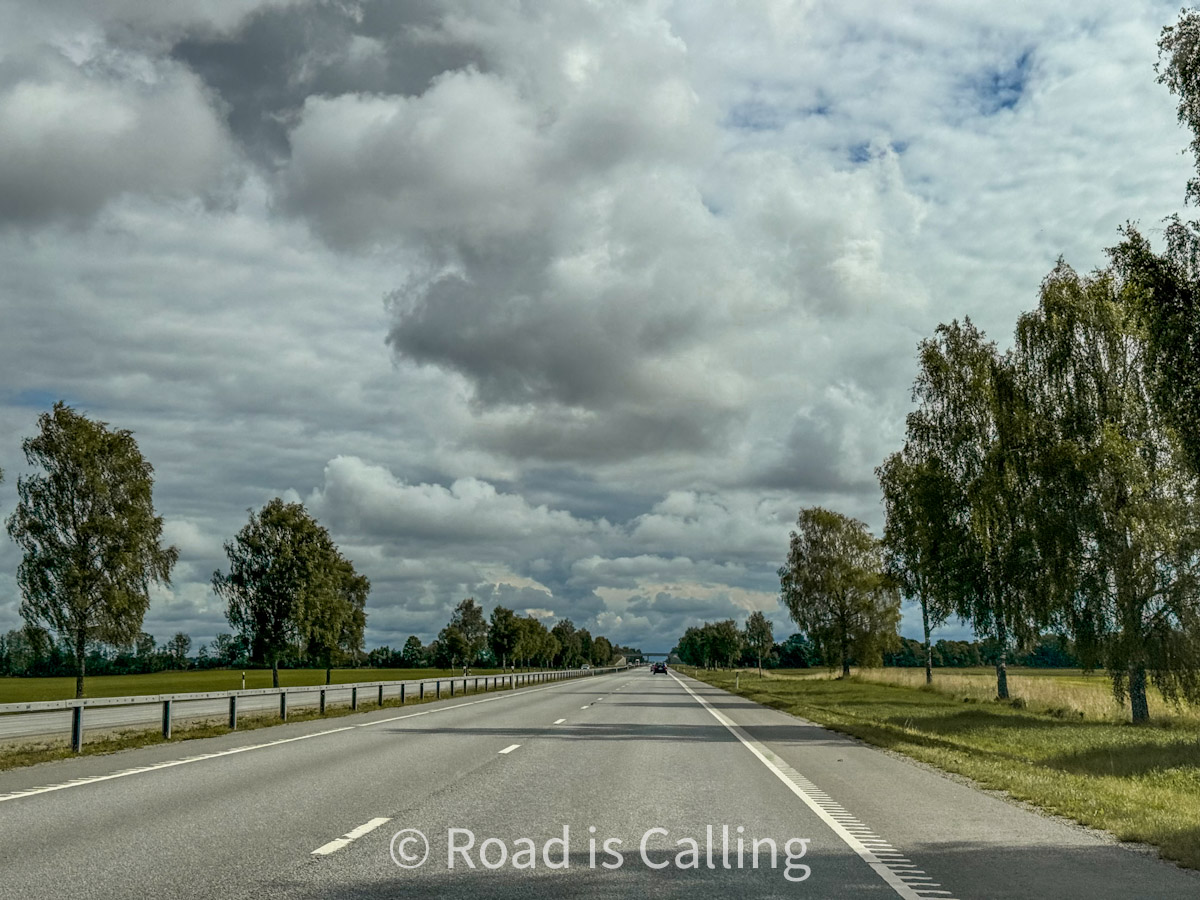

If you go independently, I strongly prefer driving – it’s how we did it both times, and for me it’s the only way I’d do Narva again. The reason is simple: flexibility, especially in winter. Renting a car is easy (from fall to spring is also cheap), roads are great, so driving is pleasant.
Tallinn to Narva is around 3 hours by bus or by train (a bit less than that), and choosing one of these means you will be stuck on foot the whole time. In summer, that’s fine. But in winter, with wind and real cold, even a 5-minute walk can feel brutal, and you end up constantly looking for somewhere to hide and warm up.
With a car, you can move between spots in minutes, park easily, warm up whenever you want, and adjust the day based on weather – closer to the fortress, then a cafe, then a museum, then back out again without suffering through the cold. Particularly well it works in winter, when you can also combine a trip to Narva with one of the winter getaways from Tallinn or with an extended stay in Lahemaa National Park.


The second reason going on your own is not such a good idea is the language. In Narva, English can be very hit-or-miss – it depends completely on who you get. We walked into a museum starting in English and had to switch to Russian because the staff member couldn’t communicate.
In cafes it can be the same (for example, in Bublik Cafe the girl serving us didn’t speak English at all). So if you don’t speak Russian, a guide removes that friction completely, and even if you do speak Russian, a guide still makes the day smoother and more interesting.
So my realistic rule of thumb is this:
- Late spring to early autumn: bus can be okay if you’re fine with a simple DIY day. But go better by train and stop in Rakvere or Johvi to experience more in one trip.
- Anything outside that season (especially winter): go by car, or even better, go with a guide.
Visiting Narva in Summer vs Winter
Is Narva worth visiting in winter?
Yes. Narva is worth visiting in winter (you can see my winter photos throughout this post and notice that it is beautiful), but you need to treat it as a border-city trip, not as a ‘pretty day out’ or a coastal escape.
Winter Narva is about the castle, river, two-fortresses view, and a very physical feeling of the EU border being right there.
If you come expecting a full day of activities, you’ll be disappointed, to be honest. But if you come for atmosphere and contrast, winter is actually powerful.

Narva in winter – what changes (and what I’d do differently)
- The day is shorter, so you need a tighter plan. This isn’t the city for wandering around until evening.
- Some stops don’t make sense in winter. For me, anything by the coast feels like a weak payoff when it’s freezing and dark early. Many cafes close for a bigger part of the week, museums have shorter opening hours.
- Factory/industrial-type visits are not worth the effort in winter (because you tour them in the cold since those are abandoned ruins). I don’t even think there are group tours to Kreenholm in winter at all.
- When it’s cold (not just winter, but also in November, March, and even April), I’d plan the day around: 2 outdoor moments (river promenade + park + border view) + 1 solid indoor block (castle museum or art museum), with a cafe stop to warm up.
Narva in summer – why it’s a different trip
- Long daylight. You can literally come here for the whole day, visiting not just the city, but coastal towns and the reservoir area with the blue quarry nearby. In summer, Narva also hosts some festivals and concerts.
- More places operate normally. Cafes and museums are open more consistently and with better hours.
- Add-ons finally pay off: Narva-Jõesuu or Sillamäe make sense in summer. In winter they often feel like wasted time because it’s cold, empty, and a lot is closed.
Things to do in Narva in summer (what I’d add to my route)
In summer, I’d keep the same core Narva walk (the one I mention below), also visit quickly the Jesus Resurrection Cathedral (Orthodox church) and Alexander’s Cathedral (Lutheran church), and then use the long daylight for one extra stop that doesn’t work well in winter.
If you only have one day, pick one add-on:
- Narva-Jõesuu – classic 19th-century resort town with pine forests and dunes right by the sea.
- Sillamäe – a fully planned Stalinist town from the 1950s, with symmetrical boulevards and monumental facades you won’t see elsewhere in Estonia.


If you’re driving and still have time, add the blue quarry/reservoir area as the last stop on the way back. It’s the kind of place that feels pointless in winter, but in summer it becomes a proper stop.
Lesser-known things to do in Narva: One of the things I love about Narva is its spa hotels and wellness stays (if you’ve read my other articles about things to do in Estonia, you know I have a thing for spa hotels in this country). There are a couple of really good ones in Narva-Jõesuu (we really liked Noorus SPA Hotel on a spa getaway to this area, but I also read good things about Meresuu hotel). So it’s easy to turn your visit into a nice staycation.
Things to Do in Narva in Winter – My Exact Day Route (By Car) from Tallinn
This is the exact route we did in winter by car. I’m sharing it this way because Narva feels short in winter – but combined with a couple of stops on the Ida-Viru coast, it becomes a full, memorable day trip from Tallinn.
1) Leave Tallinn at sunrise – drive east
We left Tallinn early, around sunrise, on purpose. In winter you’re working with limited daylight, so starting early makes a big difference – and the drive at sunrise is part of the experience.
2) Valaste Waterfall (sunrise stop)
First stop: Valaste waterfall. In winter it looks unreal – like a Snow Queen set (see below just some of my photos from there). This is a ‘big winter scenery’ moment before Narva.


There, we did a small tea stop in a car (brought our thermos with tea and some light food for the morning) – nothing fancy, just something to eat quickly before a proper breakfast in Narva.
3) Sillamae coast stop (frozen sea + structures)
After Valaste, we quickly stopped along the coast (right by the beach in Sillamae) for a short walk by the frozen sea. There were small structures and walkways along the shore, plus a little river flowing into the sea.
There were also rope-style bridge elements (the kind you walk across, a bit like suspended footbridges, you can see a photo of it above), kind of playground structure that looks childish until you try walking across it in winter boots.
It was fun to quickly walk around, see the winter coastline up close and climb on those rope-style bridges.
4) Narva breakfast – Bublik Cafe
In Narva, we did a proper breakfast at Bublik Cafe – coffee (lattes) with savory pastries and omelette, a real sit-down meal. This is a good reset before walking outside in the cold.


5) Walk to the castle area – viewpoints first
After breakfast, walk toward the castle area via Raja Street. I recommend this approach because it gives you the best first impression: you see the fortress from above and you also get your first wide view toward Ivangorod – without having to hunt for angles later.

From Raja Street, go straight down to the river promenade (this matters in winter – when the wind literally burns your face, you don’t want to wander around and lose time doing pointless detours). Once you’re on the promenade, follow the path toward the Friendship Bridge (Sõpruse sild) and pass under the bridge in the direction of the park.
Go up the stairs into Pimeaed (Dark Garden). From here you get another strong angle: bridge, castle, and border line all in one view. This is also one of the spots where you can clearly see the border infrastructure and the “dragon’s teeth” anti-tank barriers.


6) Narva Castle/museum (optional depending on mood/time)
From Pimeaed, walk back toward the castle area. You’ll have to make a small detour because parts near the border are fenced and controlled, but it still works as a clean loop.
After that, you can decide what kind of visit you want – go inside the castle/museum or stay outside, walk the viewpoints and just take in the atmosphere.
7) Drive back via Rakvere (extra stop, optional)
On the way back to Tallinn, we drove via Rakvere and stopped briefly for small museums we’d wanted to see. Rakvere has some of the most interesting museums in Estonia, we have already visited some and wanted to see others, so it was a good stop.


But this part is optional and can be arranged as its own separate day trip from Tallinn. Visiting Narva still works well without it.
NOTE FROM ME: Is Narva Castle Museum worth going inside? It depends. It’s very subjective, but I personally didn’t feel it was worth it (for me personally) because I expected a deeper focus on Narva’s history across different periods, but for me it wasn’t quite there.
That said, this museum is done well (like most museums in Estonia) – information is presented in an interesting way, there are multiple floors, and if you love reading exhibits and taking photos, you could easily spend 3-4 hours inside.
If you are visiting Estonia for a short time and Narva is one of your few stops in this region, you’ll probably find it very interesting.
But if, like me, you are hoping for a really deep dive specifically into Narva, you won’t find it there. Views from the walls, though, are excellent.
More Estonia Guides From Me
- Authentic Things to Do in Estonia – great place to start your Estonia travel planning
- Tartu in 2 Days (in winter) – my personal itinerary and step-by-step route
- What to See in Tallinn Outside Old Town – areas & places worth exploring
- Breakfast & Brunch in Tallinn – my favorite locations
- Tallinn in Autumn – how to cope with the weather & cozy things to do
- Tallinn for Christmas – detailed December guide + winter tips
Some of the links below are affiliate links, which means I may earn a commission if you decide to make a purchase – at no extra cost to you. This helps support my site and keeps content free. Learn more here.