Tallinn is often associated almost exclusively with its Old Town, and while it’s undeniably beautiful, the city doesn’t end there. In fact, some of Tallinn’s most interesting places sit just outside the historic center and are easy to reach on foot or by public transport.
I am showing you the non-touristy side of Tallinn outside Old Town together with what to do by the sea, in residential neighborhoods, and in redeveloped former industrial zones.
These alternative places don’t replace Old Town; they complement it and give a much clearer picture of what the capital of Estonia is really like beyond its medieval core.
Quick Tallinn Travel Guide
Visiting Tallinn soon and don’t know where to start? I am living here now and sharing my best tips and things to know!
Top Places to Stay in Tallinn (excellent location, price & close proximity to Old Town):
- Tallink City Hotel – modern rooms, good breakfast, spa & only 5 min from Old Town
- Bob W – designer apart-hotel with well-equipped flats & gym, 5 min to Old Town
- Nunne Boutique – luxurious feel at a lower cost, best for easy access to upper & lower Old Town
- Mövenpick Hotel – 5-star experience, close to Old Town and business center
Top Experiences & Tours:
- In-Depth Tour of Old Town – best introduction to old and modern Tallinn
- Harju County Tour – quick acquaintance with Estonia’s northern coast (most popular tour)
- Estonian Seaside Tour – off-the-beaten track along the west coast
- Lahemaa National Park Nature Trip – road trip+history (must-see bog in Estonia!)
- Tallinn to Helsinki – return day trip ferry transfer (convenient to see two capital cities)
What Else You’ll Need:
- Tallinn City Card – an absolute must-have if you plan to visit museums (also free transport + discounts at the restaurants)
- Car Hire at the Airport – the most reliable company with the cheapest insurance
Some of the links below are affiliate links, which means I may earn a commission if you decide to make a purchase – at no extra cost to you. This helps support my site and keeps content free. Learn more here.
Alternative Places in Tallinn Outside the Old Center
Balti Jaam Market
Balti Jaam Market is a functioning central market, one of the easiest places to visit on foot once you step outside Tallinn’s Old Town. It has existed here for decades, but today it comes in a more modern and more premium format.


You can find a lot of things there, although food is the main reason people come to shop. On the upper level, there are clothes and household items, while the main level is focused on cafes and places to eat. And of course, there are also separate stalls selling fruits and vegetables.
The produce is noticeably more expensive than in supermarkets or in local markets further from the center, but the quality is so much better. I’ve bought fruit and vegetables here several times, and they really do taste better, closer to how food used to taste in my childhood when coming from the garden. Much of it is imported from places like Italy, Spain, and Turkey and thoroughly selected for quality.


Even if you don’t plan to buy anything, it’s worth walking through the market just to see how it works. Sellers are straightforward, prices are clear, scales are always visible, which makes the whole experience transparent and easy.
In December, part of the market area turns into a Christmas market (it becomes one of the best Christmas markets to visit in Tallinn) with lower prices than at the main one at Town Hall Square, so it’s interesting to visit year-round.
Telliskivi Creative City
Telliskivi Creative City is one of the clearest examples of how Tallinn has reused its former industrial areas instead of replacing them. Located just outside Old Town and easy to reach on foot or by tram, it’s a former factory complex that has been gradually transformed into a dense urban space with cafes, restaurants, offices, small shops, and cultural venues.
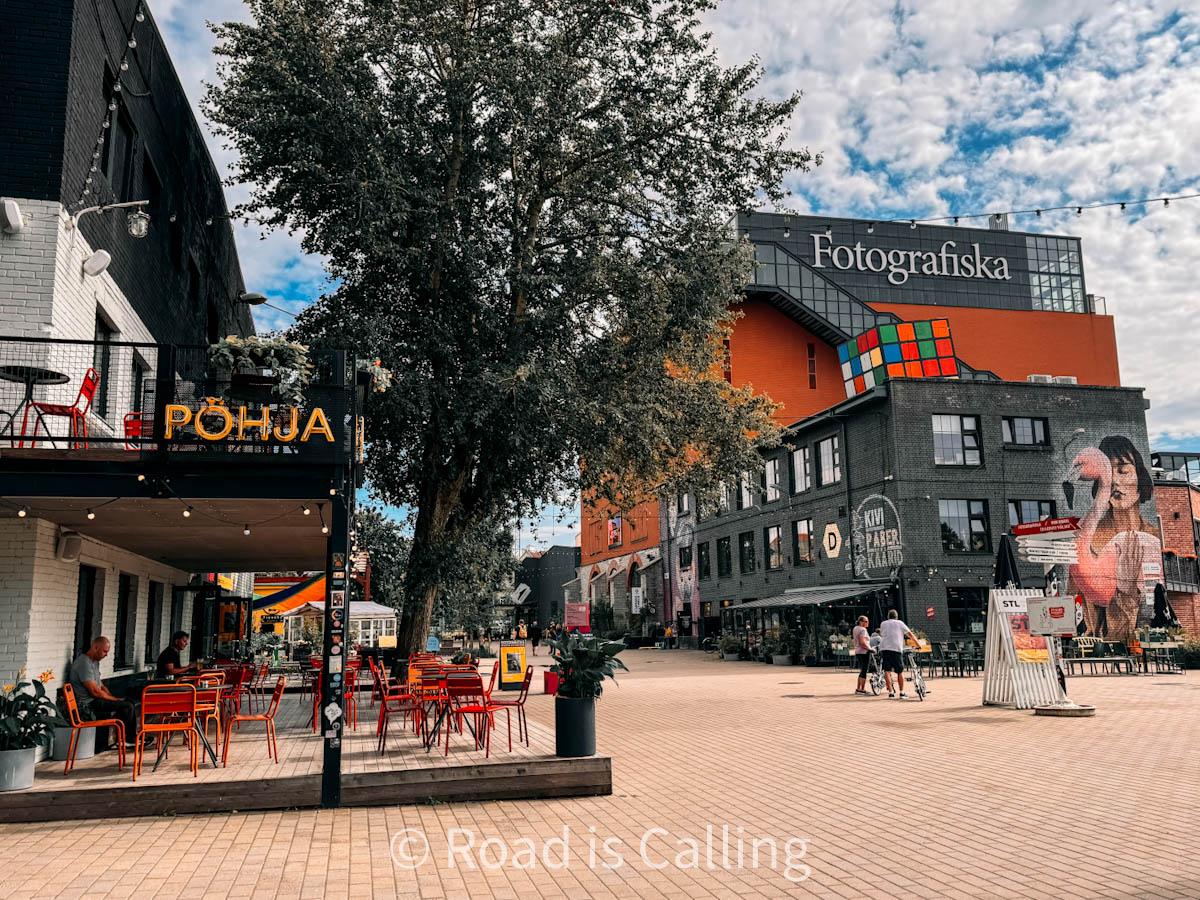
I personally like Telliskivi for the fact that it is compact and walkable, but quite dense with lots of businesses and venues.
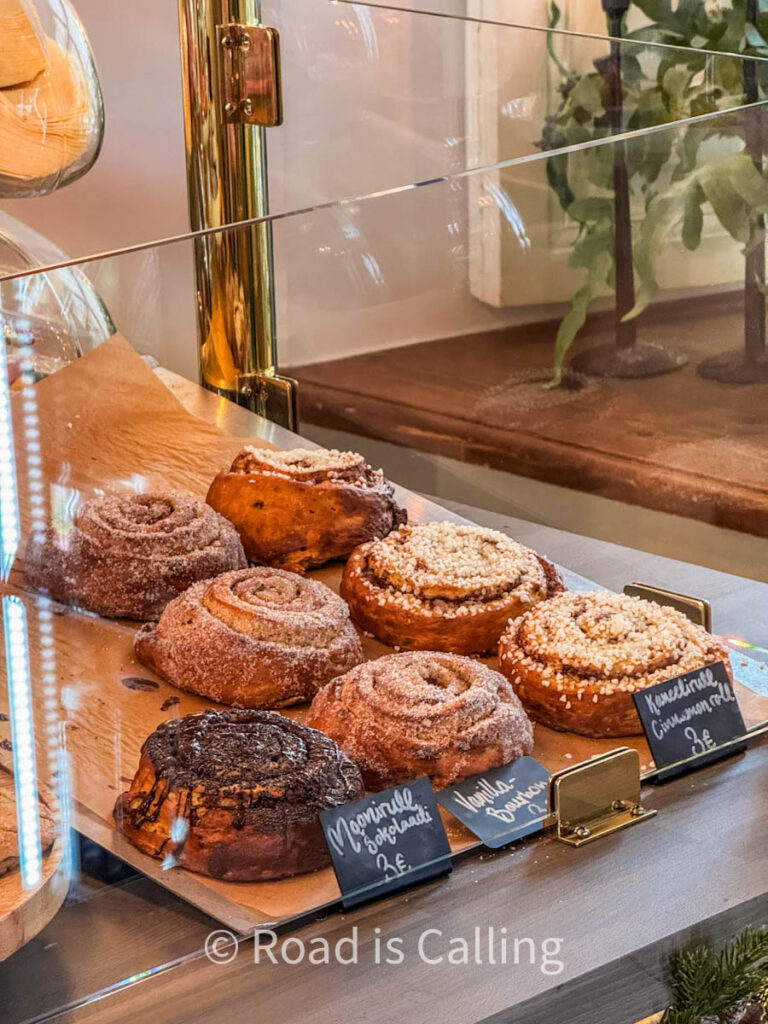
You can literally spend the whole day here attending a ceramic workshop, buying customized jackets or purses in one of the stores, sipping coffee, eating some of the best cinnamon buns in Tallinn, going to Fotografiska (an art and culture museum with a unique approach), returning to try craft beer in the evening, and more.


Telliskivi is the closest to Old Town place to check out how modern Tallinn works outside its historic center. It gives a chance to see the post-Soviet transformation and everyday urban life.
Nõmme
Nõmme is a residential neighborhood that shows a completely different rhythm of life compared to central Tallinn. Built largely around pine and birch forests and low-rise housing, it feels more like a small town absorbed into the city rather than a typical urban district.
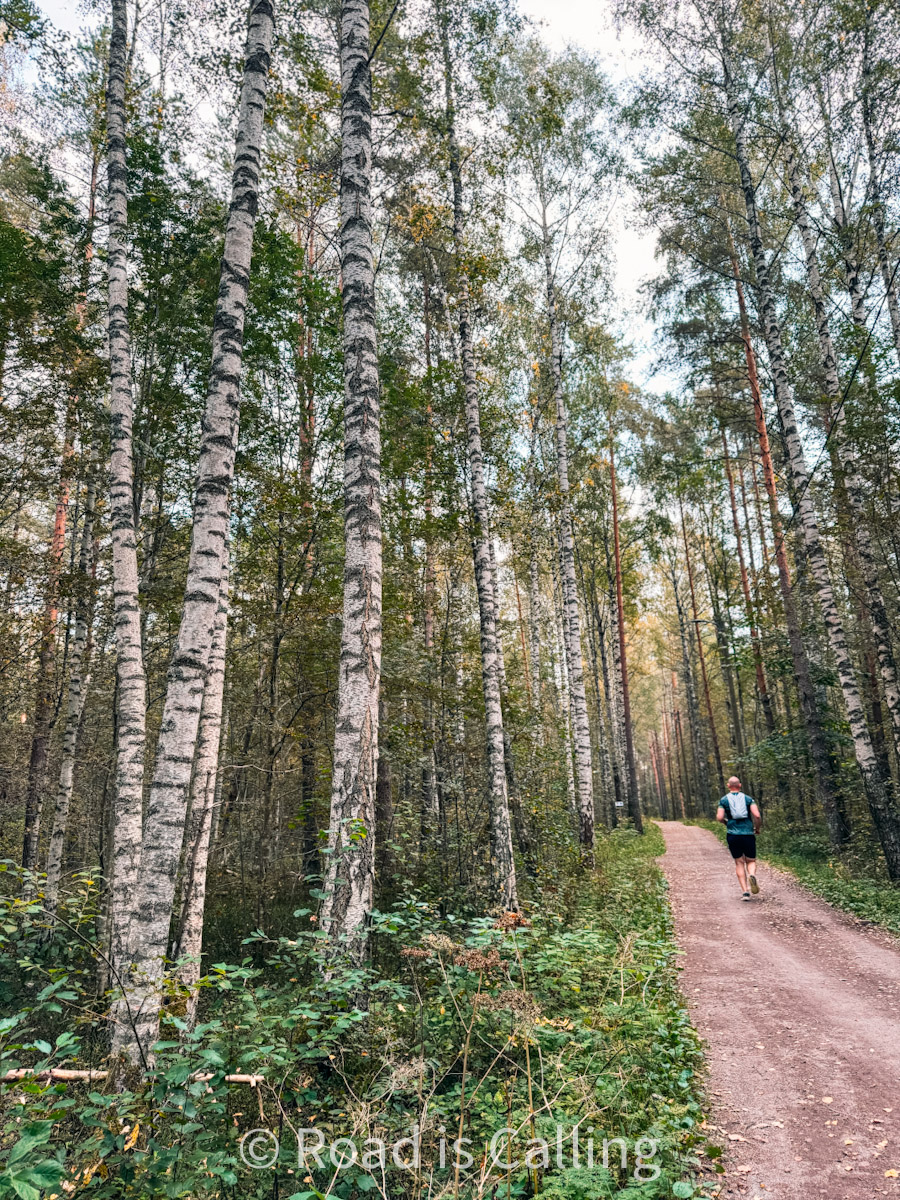

What makes Nõmme worth mentioning (even briefly) is how strongly it contrasts with Old Town and pretty much any other neighborhood in Tallinn because it mainly consists of wooden houses that connect directly with forest paths, old-Tallinn-style local cafes, and greenery absolutely everywhere.
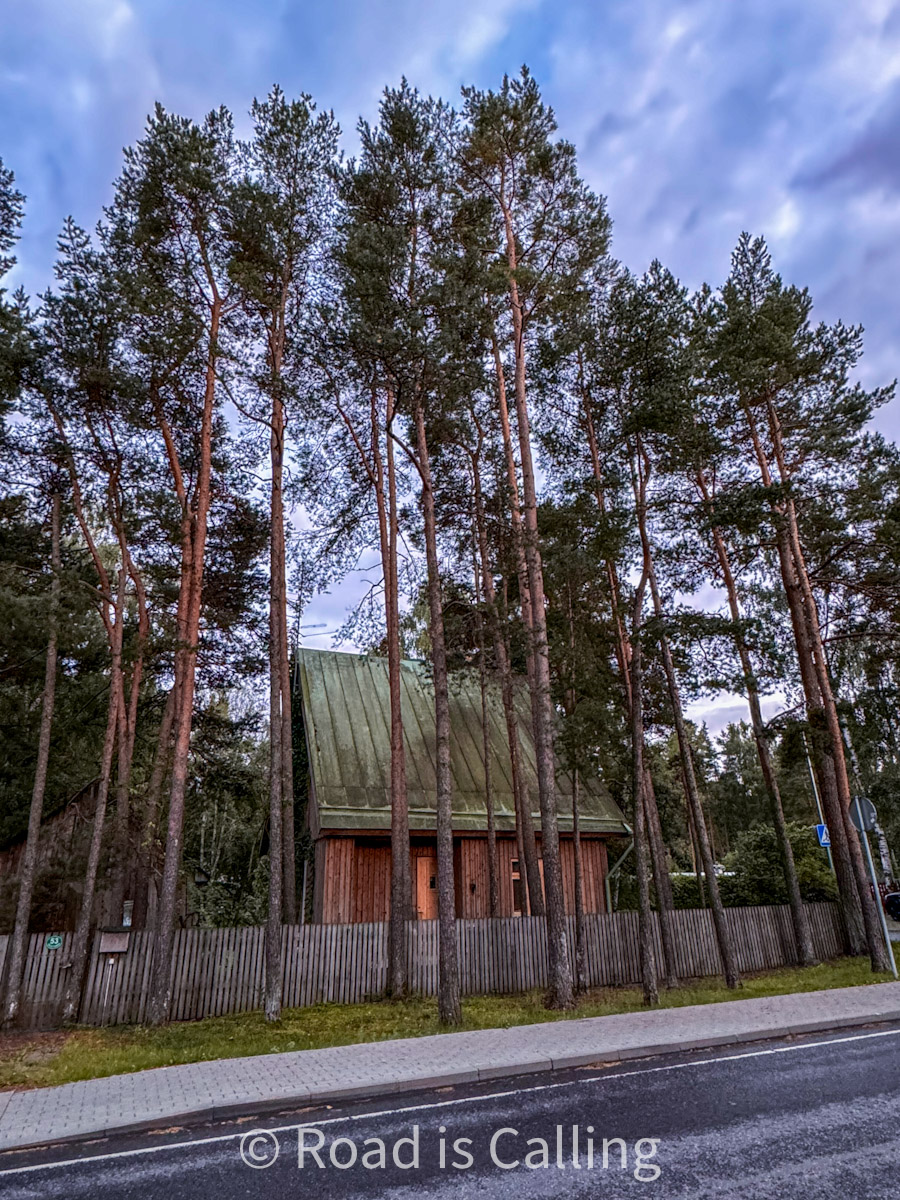
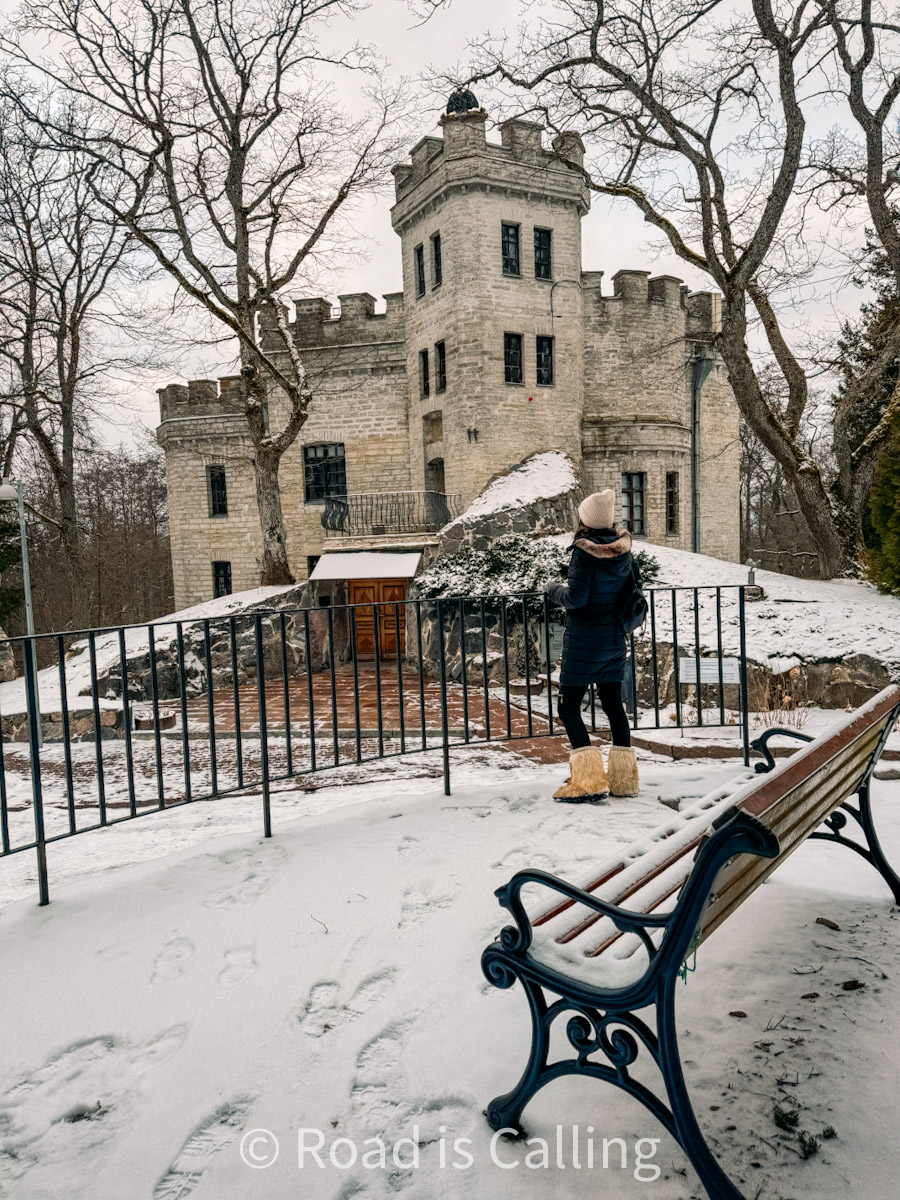
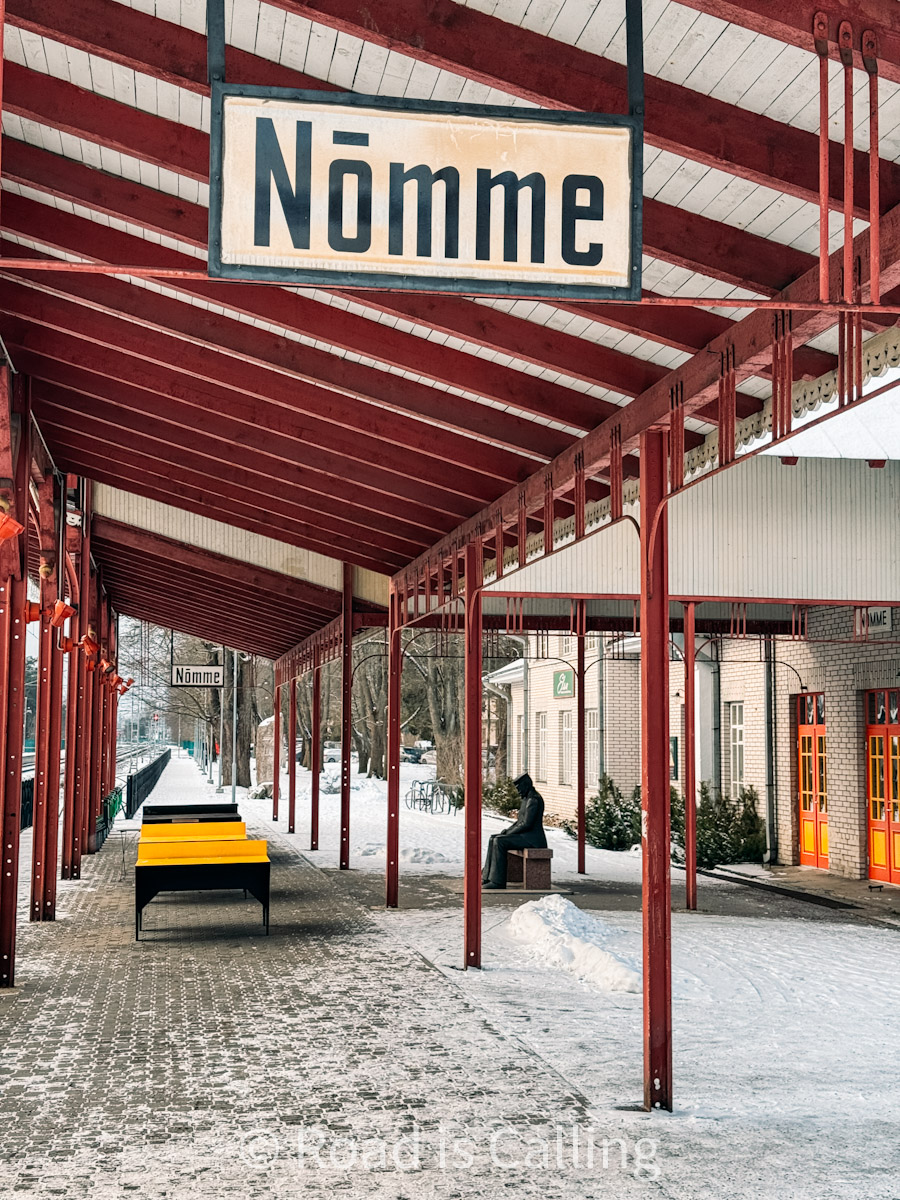
It’s also one of the best examples of how close nature is integrated into daily life in Tallinn, without being positioned as a park or attraction.
If you are curious about how people actually live outside the center in a neighborhood that is built inside the forest, Nõmme gives a very clear answer. I’ve covered it in much more detail in a separate post about Nõmme for a day, which is worth reading if you want to see a different side of Tallinn.
Kalarand
Kalarand is one of the closest seaside spots to Tallinn’s Old Town with modern, Scandinavian-style apartment buildings, a few good cafes and restaurants, and a small beach where people actually swim in summer. It’s the closest beach area to Old Town, which already makes it worth knowing about.
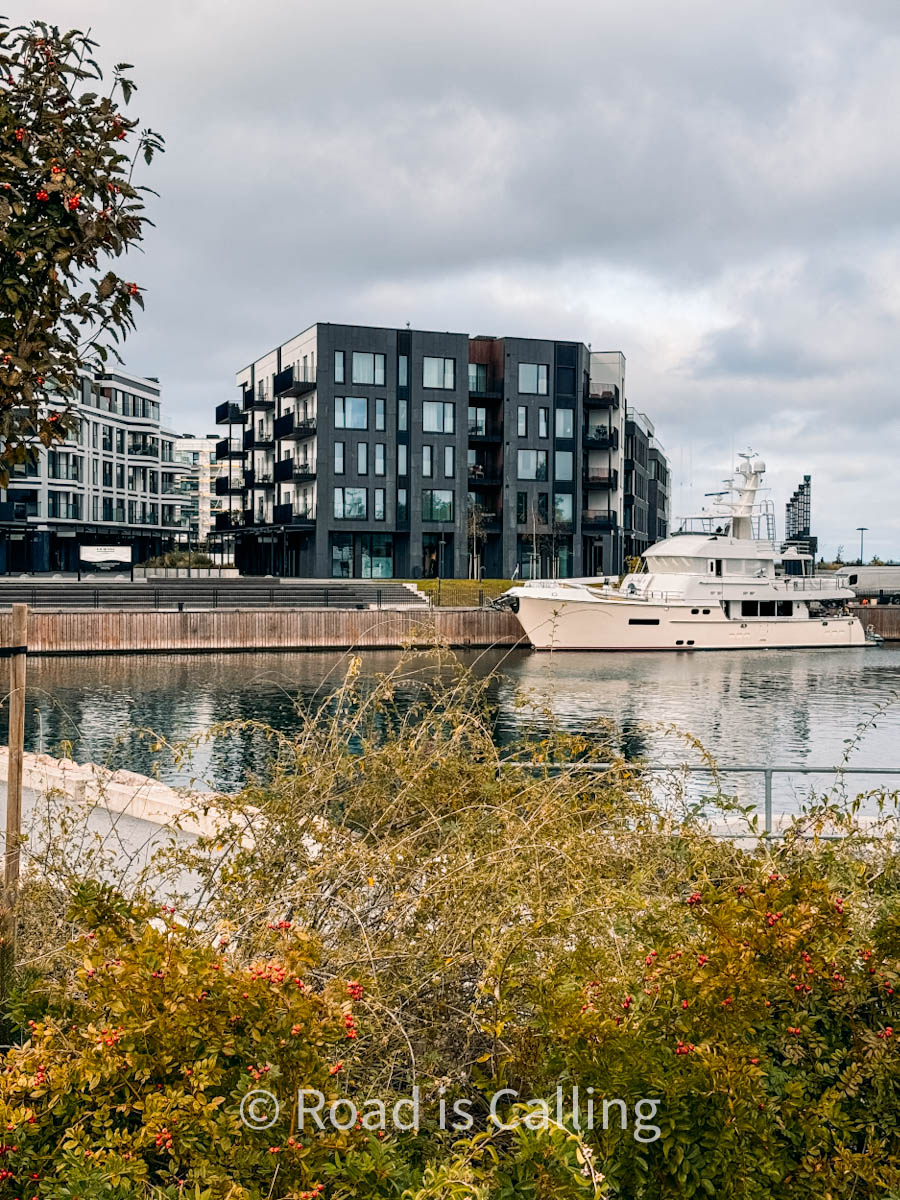

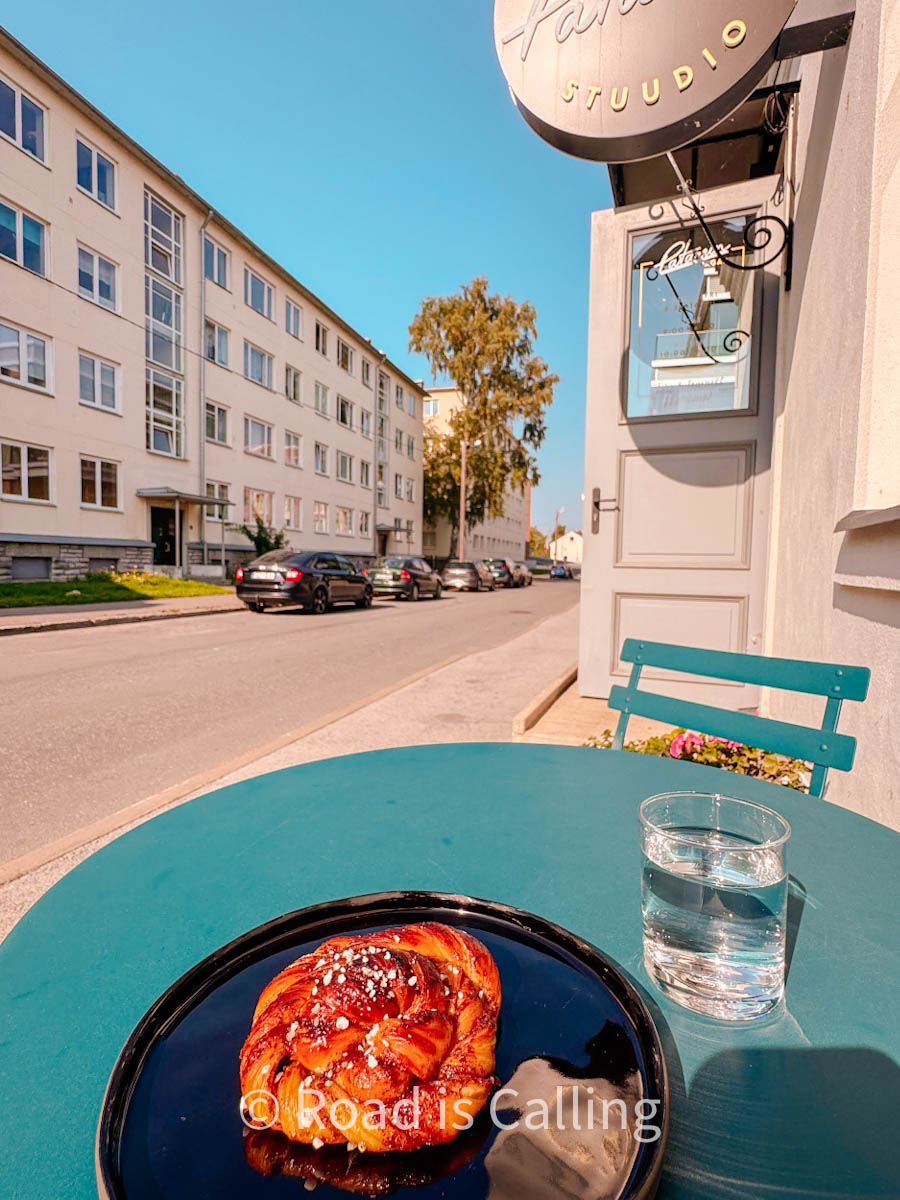
You can quickly reach it on foot in just a few minutes. Just walk out of Old Town, head toward Kalaranna Street, and you’re immediately by the sea. If needed, you can also get here by bus #73.
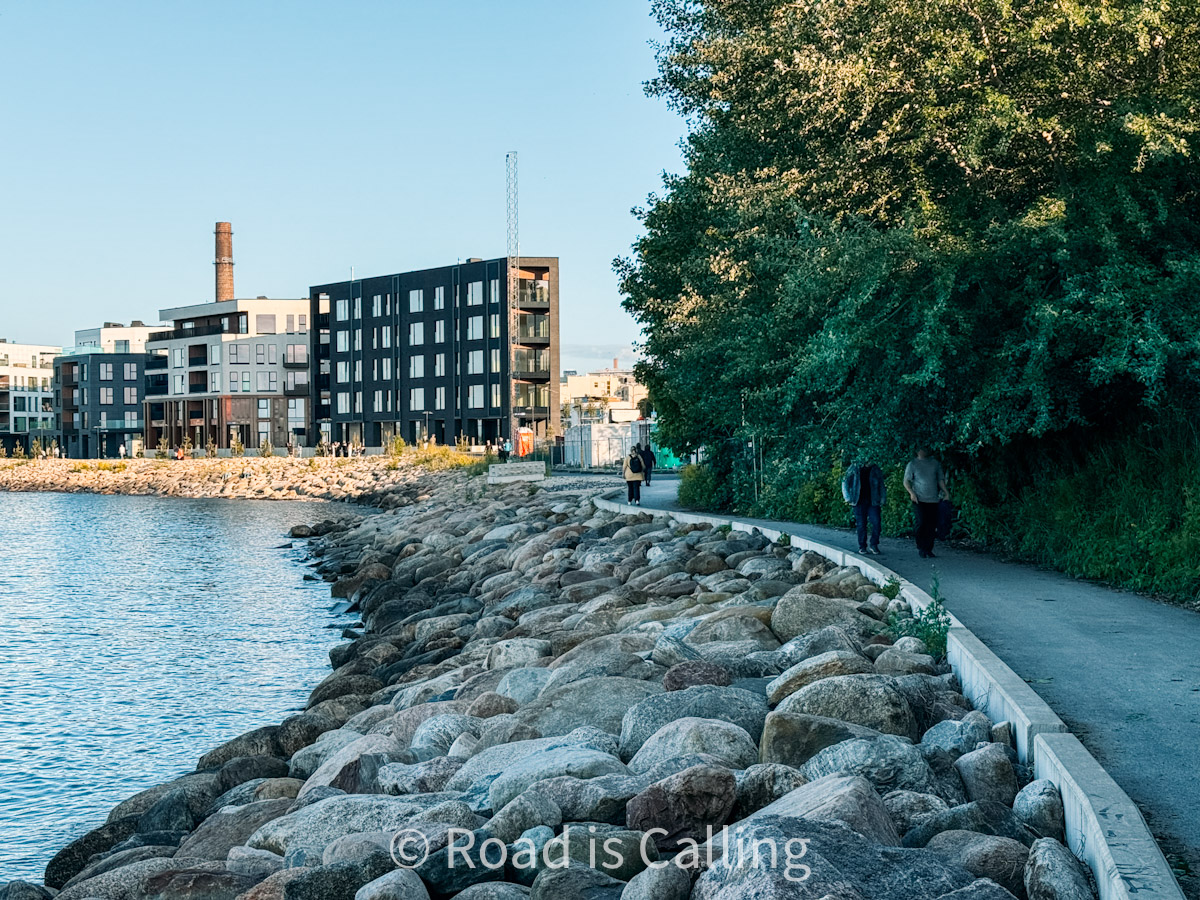
There’s a short but very pleasant seaside promenade where people walk, sit by the water, exercise, and just look at the sea. From spring to autumn, the city installs outdoor workout equipment here, so the space is actively used, not just decorative.
I personally love walking here in any season to watch the sea (in winter on windy days — waves) and photograph Old Town buildings in the distance. My husband likes to grab coffee here (there is a coffee machine right by the water with the cheap and good coffee drinks), watch seagulls fly overhead or ferries in the distance.
Just recently, a new seaside path was opened here, which now connects Kalarand with Noblessner, making it a really nice walk. The route passes Seaplane Harbour (another location outside Tallinn Old Town), worth stopping by to see the historic seaplane hangars and a real WWII submarine.

If you happen to be in Tallinn during the weekend (or if you live in this city), I recommend you visit the fish market here. It takes place between 9:00-12:00 on Saturdays only and offers such an amazing selection of regional and exotic fish.
Noblessner
From Kalarand, you can (and really should) continue walking along the sea toward Noblessner (another local neighborhood, which is very easy to reach from Old Town and is an excellent area where to stay in Tallinn during the warmer months).

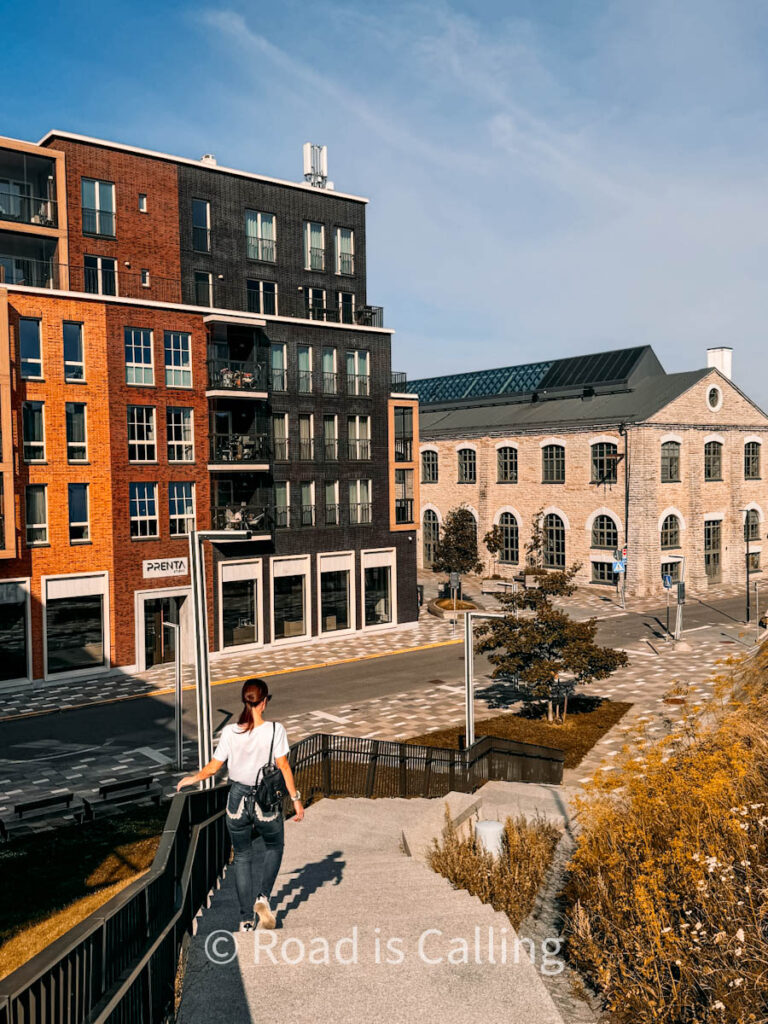
It is a former shipyard area that has been redeveloped into a modern waterfront district. Today it’s mostly about wide promenades, new Scandinavian-style apartment buildings, open sea views, and a few trendy cafes.
It is also here that you find the Seaplane Harbor Museum (mentioned above). Additionally, there’s a marina and long stretches where you can simply walk by the water without traffic.


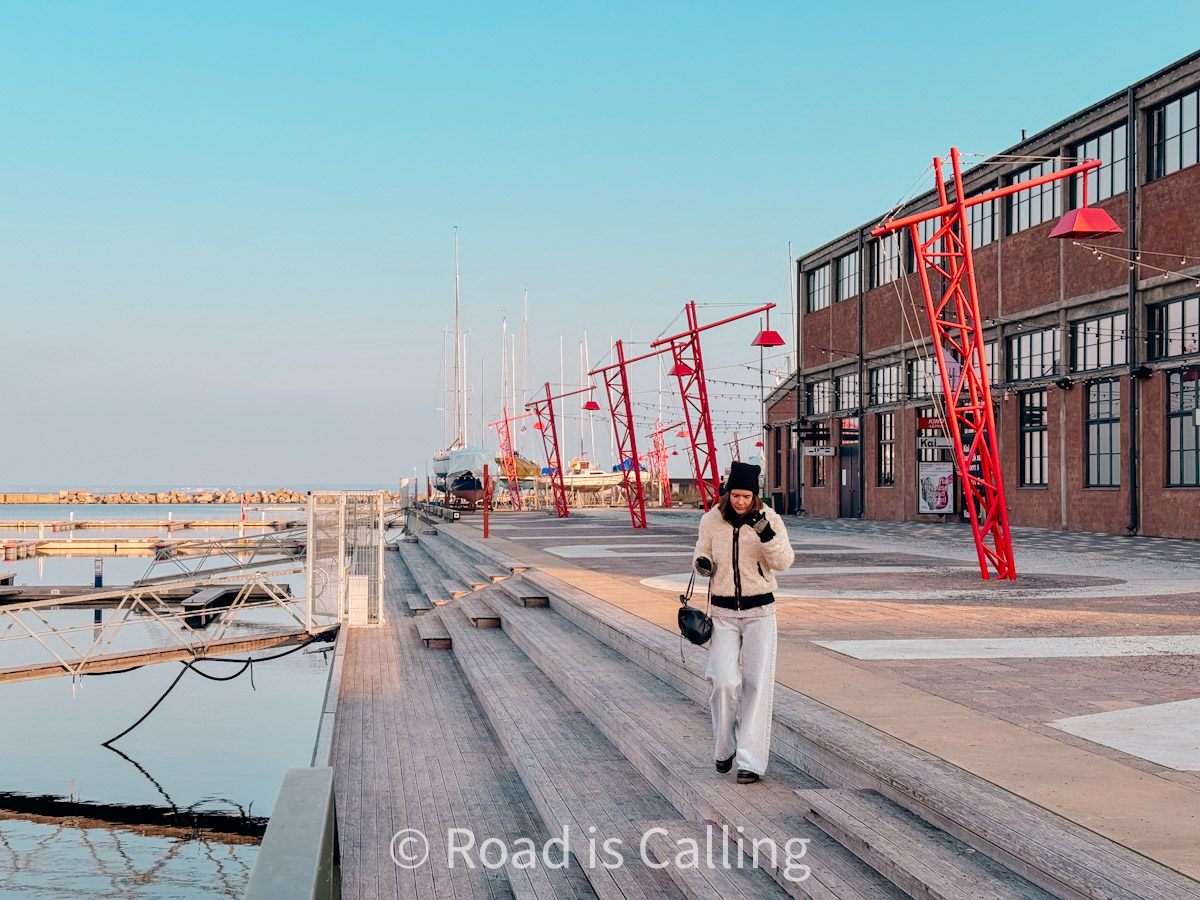
From late spring to early fall, it’s so pleasant to be here. This is where PROTO Invention Factory is located (an interactive museum with VR experiences, Kai Art Center (a modern exhibition space dedicated to contemporary art and temporary shows). There is also Igloo Park (with saunas) and waterfront bars.
In summer, Noblessner is also actively used for open-air events around the marina (small concerts, seasonal happenings, and pop-up activities) which makes it feel alive beyond just housing and restaurants.
Pirita Beach area
I’ll say this upfront so it’s clear: Pirita is a place I personally recommend not because of the beach itself (although in summer it’s one of the best places in Tallinn to lie in the sun and swim in the sea).
The real point of Pirita is that it’s not just sand. It’s a pine forest right by the sea, which creates incredibly fresh, almost “tasty” air and a landscape that’s genuinely pleasant to be in. There aren’t many places in the world where a pine forest meets the sea so directly, and that’s exactly why Pirita is special and why it makes sense to visit it in any season.
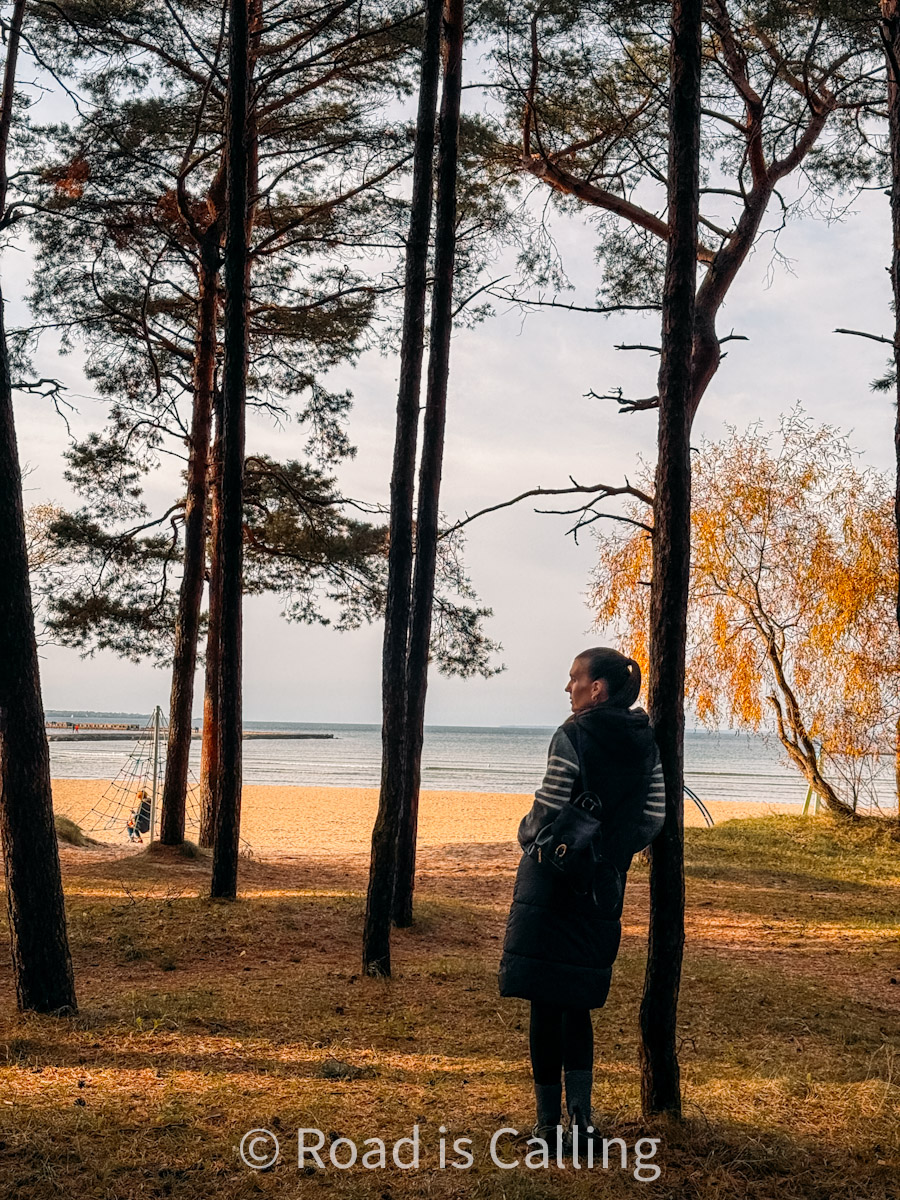
In summer, you can walk through the forest along the beach, ride a bike or rollerblade (you can rent equipment in the area or bring it from the city), and dip your feet into the sea.
In winter, it’s a completely different experience… walking through a snow-covered forest and coming out directly to a frozen sea. Yes, the sea actually freezes here and looks like something out of a fairy tale. In late January and February, when there’s snow, people even build snow castles on the shore, which look incredible too.

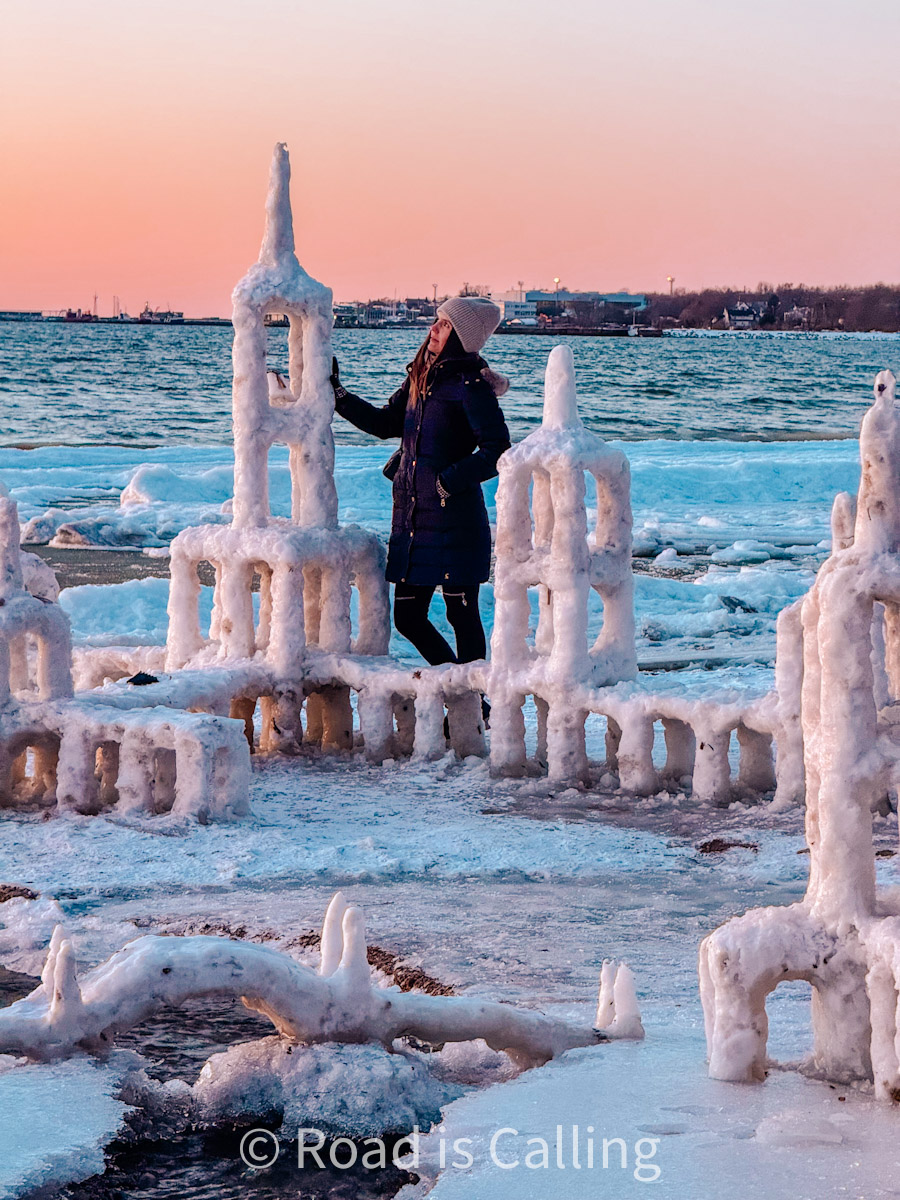
The reason to leave Tallinn city center and come to Pirita is to breathe clean air, to be surrounded by nature, and to slow down. You can also walk through the nearby streets and see how people live here. It’s a more sophisticated residential area, with interesting housing projects built right among the trees — in some ways, it reminds me of Nõmme.
Here is a quick video of me running to Pirita beach in February…👇
Not far from the beach in the area, there’s also the Estonian War Museum. If you’re interested in military history, it’s absolutely worth stopping by — it’s one of those places in Tallinn that exceeds expectations.
Sadama (Port area)
Sadama is simply a modern, pleasant part of the city located right next to Old Town. It’s a nice place to walk, look at ferries, take photos, and in summer watch large cruise ships coming into the port.
There’s a viewing platform where you can go up for a better look over the sea with a harbor, and from there it’s easy to continue along the promenade. The walk is open with sea views the whole way.


As you move toward Nautica Centre, you pass the drawbridge, where yachts and boats go through while traffic stops for a few minutes. It’s a small detail, but watching it open and close with traffic stopping and boats passing through is quite fascinating.
Sadama is also a very nice area to stay in Tallinn (especially if you plan to do a day trip to Helsinki, location is just the best). All the hotels here are modern and new (most of them have been built within the last five years), and they’re located very close to Old Town, about a 5–10 minute walk to the gates.
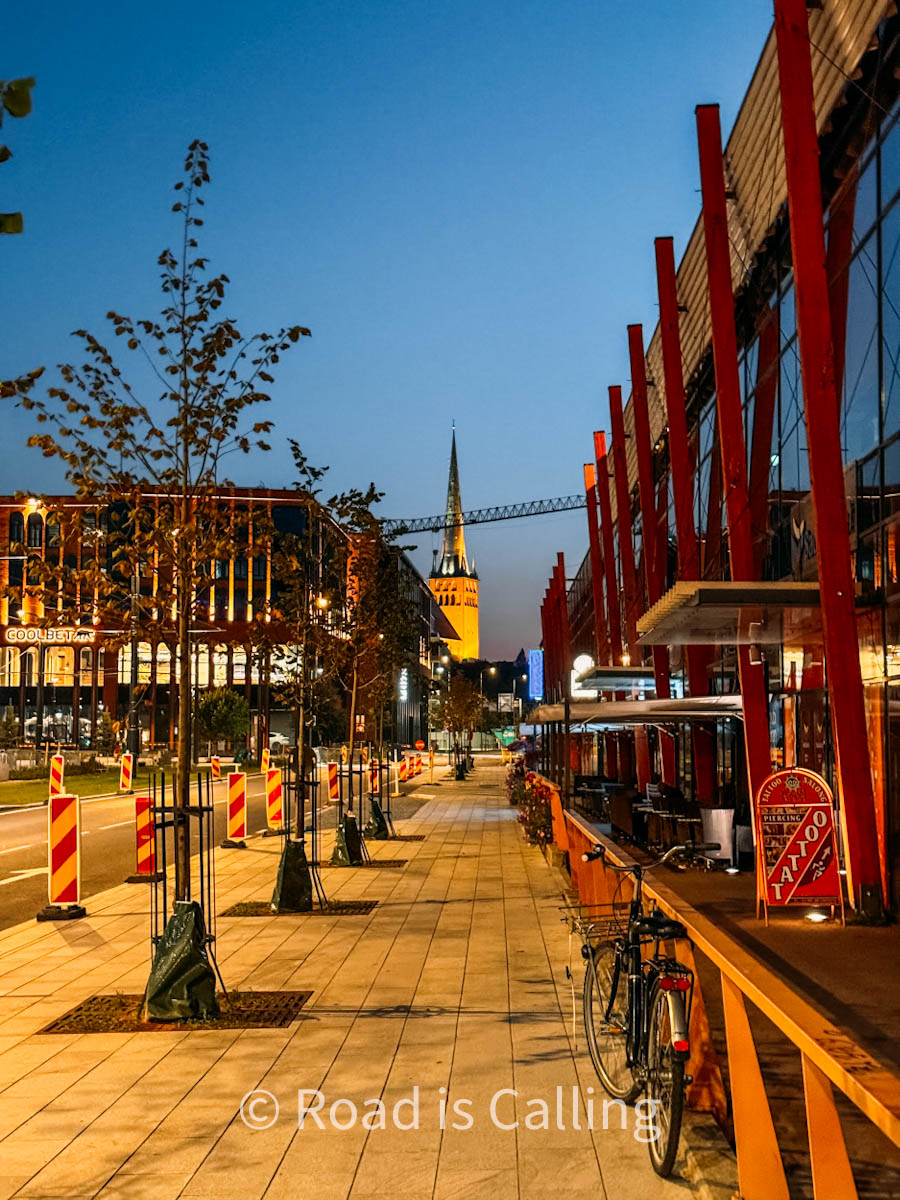


For example, Tallink City Hotel (they have a really nice spa), Adoryal Hotel (spacious rooms and a decent breakfast), or a more budget-friendly option like Citybox Tallinn City Center (automated hotel with decent breakfast), where in winter on many days rooms cost under €40.
Rotermanni Quarter
Rotermanni Quarter is one of the most convenient places to stop if you are moving between Old Town, harbor, and city center. It’s compact and easy to pass through on foot, which already makes it practical to include.


People come here mainly for food and everyday city life (there is also a concentration of awesome breakfast and brunch places here), not sightseeing. You’ll also find good bakeries and restaurants, so it works well for breakfast, lunch, or a break between walks.
I actually recommend making a short stop in this area specifically to look at the architecture. You don’t need much time, just walk through and look around. This is where you clearly see how Tallinn builds new things next to old ones without trying to copy Old Town.


One building that really stands out is the Rotermanni Salt Storage with three narrow towers (photo above on the right). It won an architecture award a few years ago and is easy to spot. Even a quick look here helps you understand how different modern central Tallinn feels compared to the historic part of the city.
Kopli
Kopli is an interesting and unique district to visit in Tallinn because it shows a side of Estonia’s capital that feels unfinished and transitional. It’s a former industrial and workers’ area, historically tied to shipyards and factories, and for a long time it was considered rough and neglected (with a high level of crime).
Today, parts of it are being actively redeveloped, while other parts still look exactly like they did years ago, and that contrast is the point.


Walking through Kopli, you see such a weird mix of buildings… old wooden workers’ houses, Soviet-era apartment blocks, abandoned spaces, and brand-new developments existing side by side. It’s clean and safe, although you may encounter some sketchy-looking people here or there, and occasional drunks.
Kopli is also surrounded by water on almost all sides, which gives it a coastal feel. There are quiet seaside paths, small beaches, and places where people fish or just sit by the water.


From there, walk to Marati Kvartal (nice industrial-looking area with modern cafes) and then head towards Sitsi or Pelguranna neighborhoods through random streets, getting a feel of the neighborhood. Walking back to the center will be long (although there are some cool hidden cafes, bakeries, and micro-districts along the way), so hop on the tram or bus to return.
Kadriorg Park
Kadriorg Park is a must-visit place outside Tallinn’s old center because it concentrates several important cultural sites into one easily walkable area (it is also pleasant to reach on foot from the Old Town). This is where Tallinn’s main art museums are located, including Kumu, so a visit here often has a clear purpose rather than being “just a walk”.

The park itself is large and well laid out, where it is easy to spend a full day outside the compact city center (yes, even in winter). Paths are flat, maintained year-round, and easy to combine with museum visits without needing extra transport.
Unlike smaller green spaces, Kadriorg works in different seasons — in summer and early fall as a place where to bike between museum visits and visit the Japanese garden (which is like a hidden park within a big forest), and in winter if it snows, people go skiing, make snowmen or just walk in a beautiful setting surrounded by snow.
I like to return there for the Kumu museum (because it constantly offers rotating exhibits together with a few permanent ones), to work in Reval Cafe (on the first floor of the museum), which has big panoramic windows facing the park, decent food and good atmosphere (you can combine this stop at the cafe with a couple of hours visit to the museum), and then just walk around.


I recommend you also stop at Peter the Great museum (a small historic house in Kadriorg where Peter the Great stayed in the early 1700s while building the nearby palace. It shows period rooms and objects from his time in Tallinn — a very interesting place that many people don’t know exists.)
Rocca al Mare
The main reason people come here is the Estonian Open Air Museum and Tallinn Zoo, which is spread over a large coastal forest area. But we also like it for the cliffs (very beautiful coast here and where to go on a mini hike by the sea, literally in any season).


For the Open Air Museum… It isn’t a quick museum stop, but a proper walk through historic farmhouses, windmills, and village buildings brought here from different regions of Estonia.
You see how people lived throughout many years in different corners of the country, not just how cities developed. It takes time and works best if you are okay with walking outdoors for a few hours.

Rocca al Mare also makes sense because of its setting, to be exact, its forest, sea, and wide open space. Even outside the museum, the area is good for long walks and feels so quiet compared to central Tallinn. Right next to it is also one of Tallinn’s largest shopping centers, offering various sales throughout the year.
However, note — this is not a “pop in for 20 minutes” stop. Rocca al Mare works best if you stay in Tallinn longer, like to walk a lot, and want to see a version of Tallinn that’s less urban and much closer to how the country itself feels outside the capital.
Would You Like to Travel around Estonia Too?
I have many other posts (and continue writing more). Here are some of them:
- Unique Things to Do in Estonia – authentic activities and experiences
- Best Museums in Estonia – my personal pick in different corners of the country
- Weekend Getaways in Estonia in Winter – best places to go to based on mood and weather
- Living and Traveling in Estonia – all my posts in one place
More Places to Visit in the Region
- One Week in Lapland – one of my own favorite itineraries after many trips north
- Finnish Lapland on a Budget – how to visit it from Tallinn without breaking the bank
- Tromso Trip Cost – how much it cost us in winter vs summer
- Tromso Summer Trip – what it’s like and my favorite things to do