Life in Tallinn turned out to be very different from what I imagined… both in ways that I love and in ways that are somewhat challenging.
When I first moved to Tallinn, I didn’t plan to stay. It was more of a detour, almost by accident, and honestly I didn’t expect much from it. I had already lived in many places across Europe (as well as outside it), and for me Tallinn was just one of those names on the map that I had never checked off. I thought I would spend a month here, get a feel for it, and move on.
But somehow that month turned into a longer stay, and before I knew it, I was trying to understand what it really means to live in this city. What I discovered surprised me – both in good and difficult ways. Tallinn is not what I imagined, and probably not what most people imagine when they think about life in Estonia.
This article is my honest take on what it’s actually like to live in Tallinn as a foreigner (and in my case, someone who works remotely).
The good parts, the hard parts, and things no one really tells you before you come. If you’ve ever wondered if Tallinn is a good place to live, here’s what I’ve learned from being here day to day.

Some of the links below are affiliate links, which means I may earn a commission if you decide to make a purchase – at no extra cost to you. This helps support my site and keeps content free. Learn more here.
Why I Moved to Tallinn (My Quick Story)
Tallinn was never on my list. I always thought of it as one of those small northern capitals you pass through on the way to somewhere else. I already had a base in the Canaries (where I currently live to this day too, splitting my time between Tallinn and Tenerife). I also lived on the Spanish mainland, spent months in Montenegro, Slovakia, and some other places in between. If you asked me a few years ago, I would have said that I would never end up in Estonia.
But life has its own way of rerouting plans. Last summer, my husband and I decided to come to Tallinn for just a month, telling ourselves it was only a test.
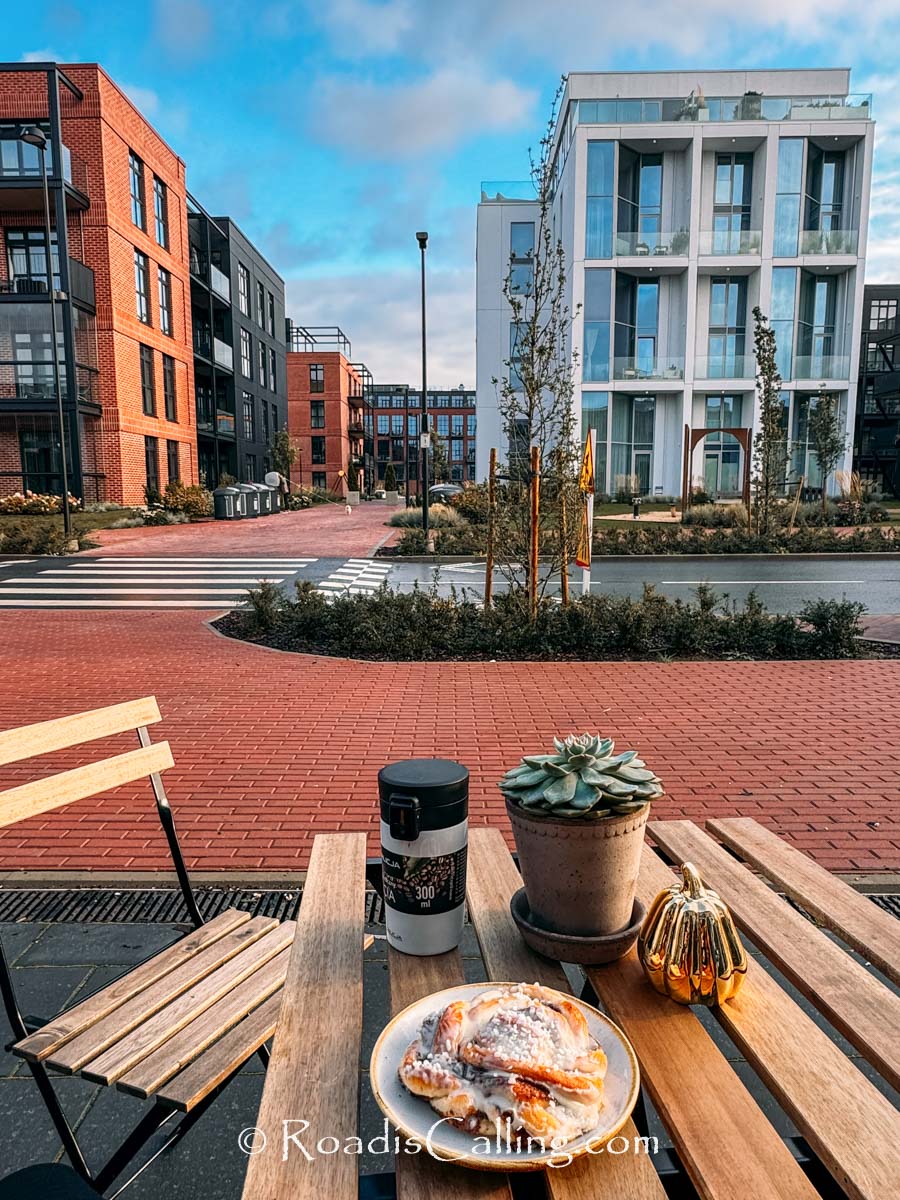
What happened next surprised us. We ended up liking it so much more than we expected. The weather was unusually sunny, city felt easy, and renting a flat was nothing like in other countries we had lived in. (To give you an idea, this is the kind of apartment you can rent here for a long term which is modern and central).
We contacted a couple of agents and suddenly had plenty of options (modern, bright, affordable) and the whole process was simple. No endless questions, no paperwork battles, just straightforward: if you could pay, you got the keys.
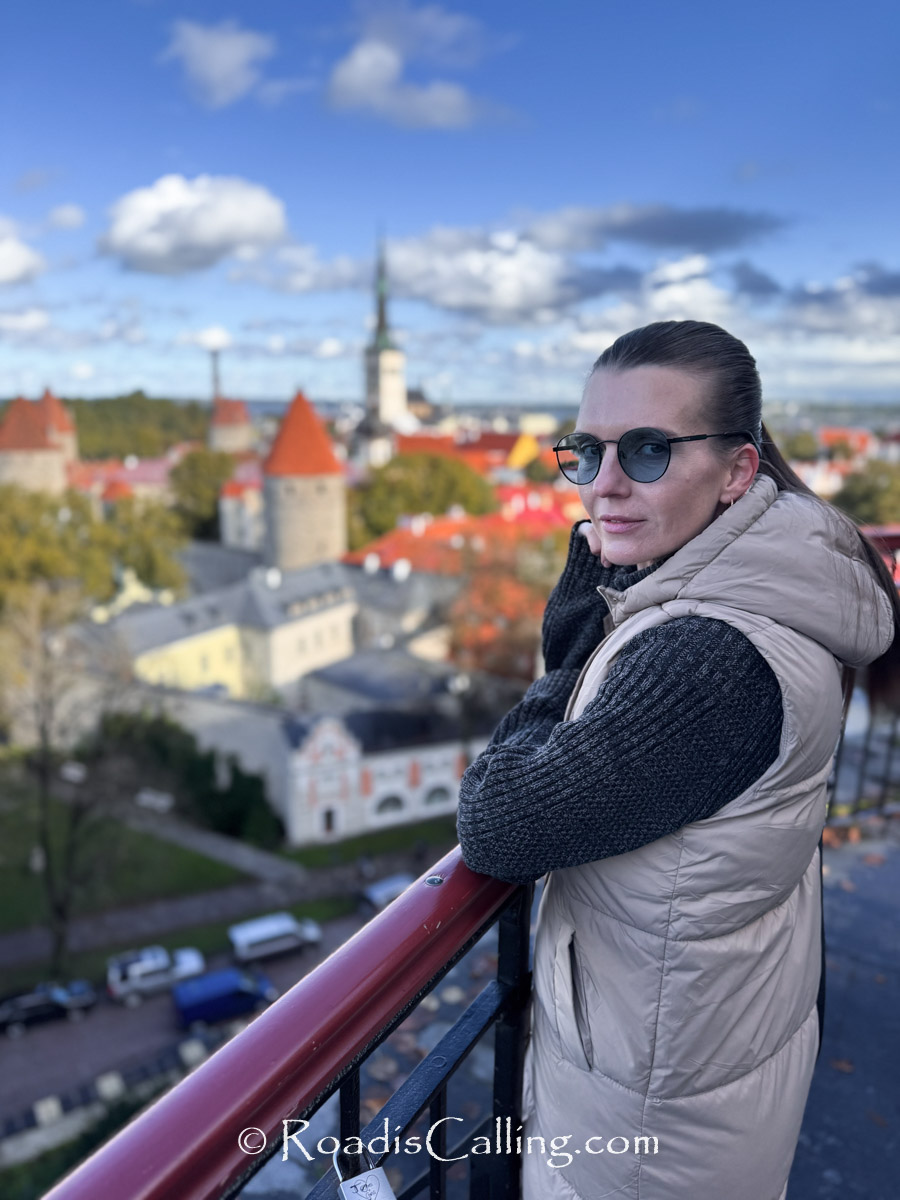
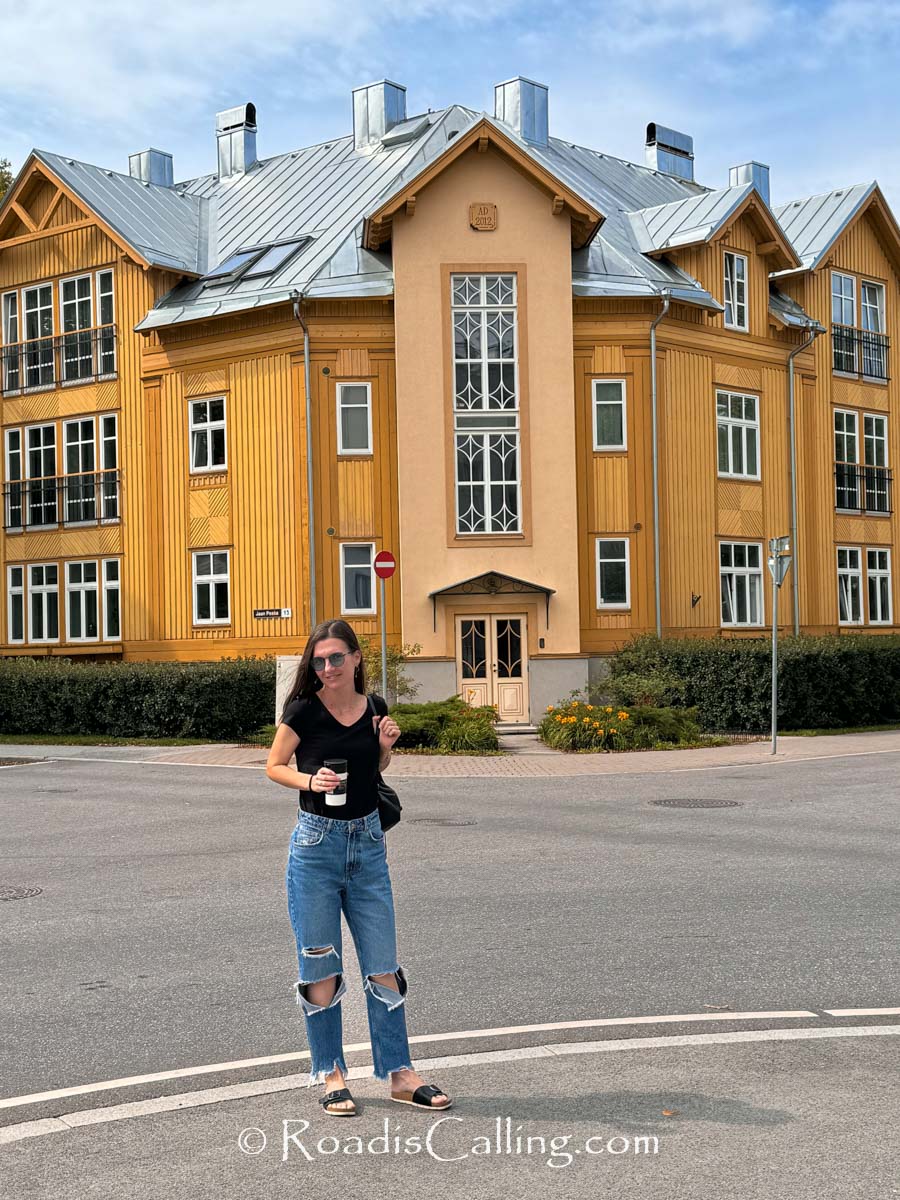
By the end of that month we had already signed a lease close to the Old Town. And that’s when Tallinn started to feel both foreign and familiar. The architecture and order reminded me of Scandinavia, while the food and daily habits pulled me back to Ukraine. That mix of Nordic influence with something I already knew made Tallinn feel unexpectedly like the right place to stay.
Expectations vs. Reality
To be honest, I didn’t really have expectations about Tallinn. I had never been here before, never wanted to visit, and didn’t have a clear picture of the city in my mind. In reality, for some reason, I felt a lot of resistance to a trip here, even for a quick 2 or 3-day weekend break. My husband was the one who wanted to come, so I just agreed thinking fine, let’s go for him and at least I’ll check it off my list too.
Still, in the back of my mind, there were two quiet assumptions shaping how I pictured life here.
The first was about the budget and money. I thought Estonia would be cheap. After all, it’s the Baltics, and this region is often grouped together with Eastern Europe which is supposed to be affordable. That was the cliché I carried with me.
I imagined cafes with prices half of Germany, trains that cost next to nothing, simple daily life where you don’t have to think twice before ordering another coffee.
But the reality turned out to be completely different (something I didn’t realize from the start before signing the lease) – Tallinn turned out to be quite expensive, not only compared to what I personally expected but also often compared to the quality you get for that price.
Coffee out, a car rental for a weekend, even local trains… everything belongs more to the Scandinavian price list than the Eastern European one. And yet, what you get for it doesn’t always match the price tag (at least in my understanding). It often feels like paying Nordic money for something average.
My second assumption was cultural. I imagined Tallinn as a Russian city (which was the exact reason why I didn’t want to come here), and it wasn’t a crazy thought – history, demographics, language all seemed to point in that direction. And yes, that presence is here, you feel it, but it isn’t the whole story (also, it’s nowhere close to being like Narva, which is fully Russian).
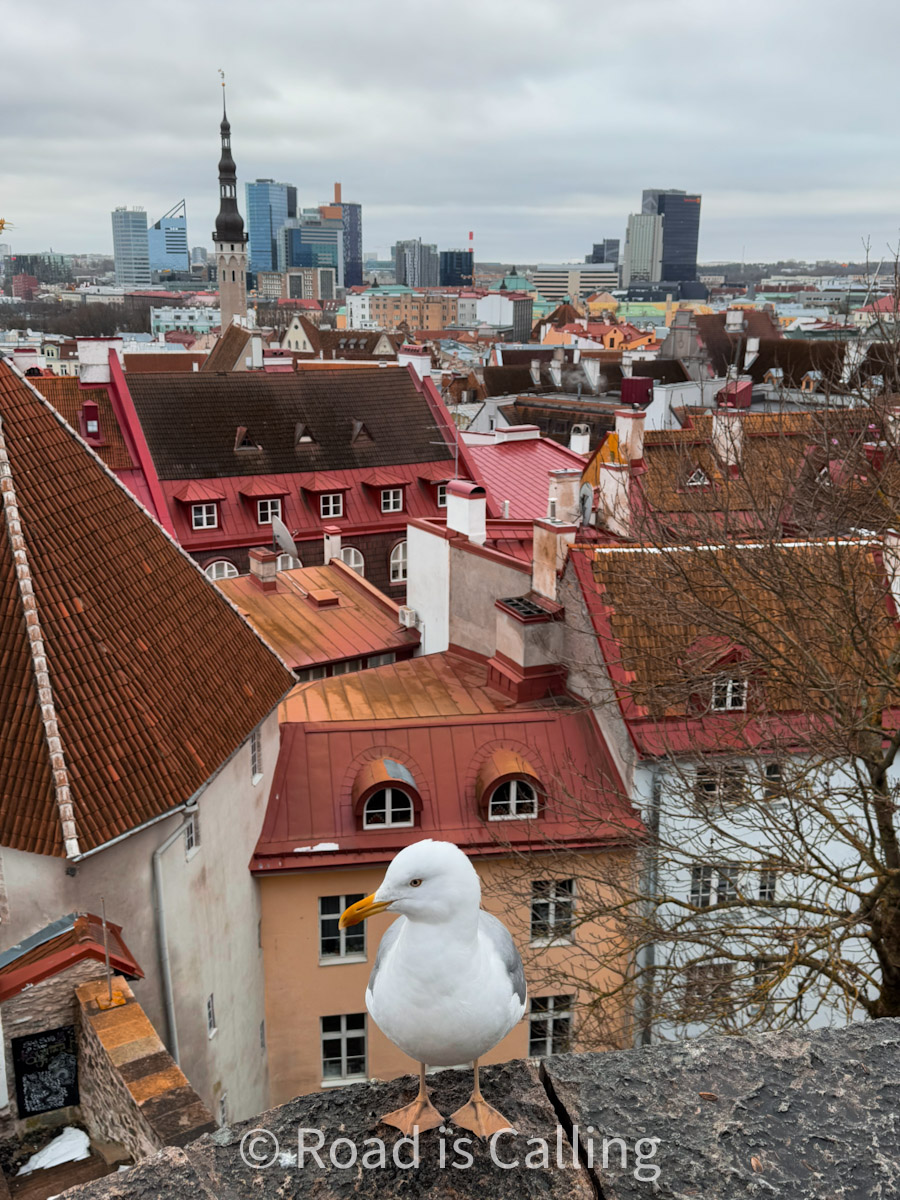
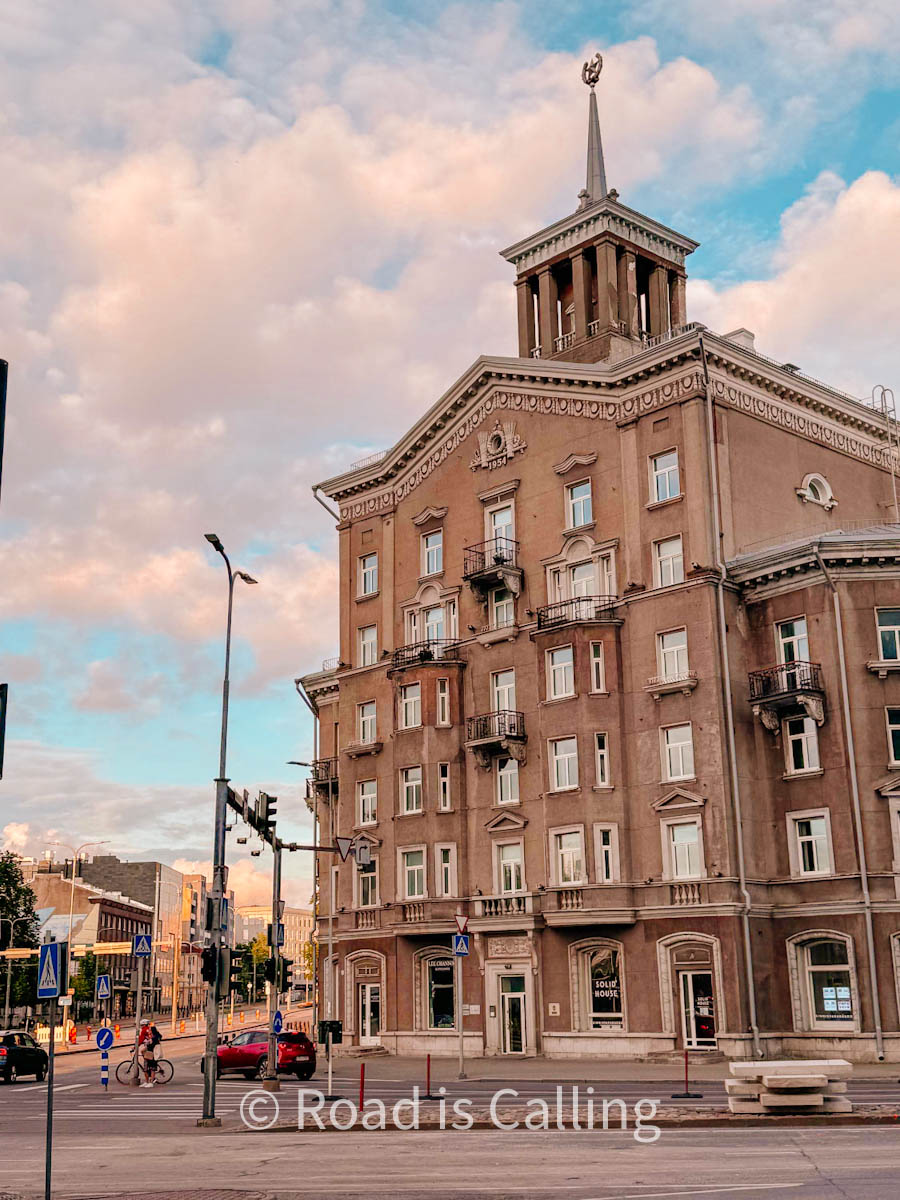
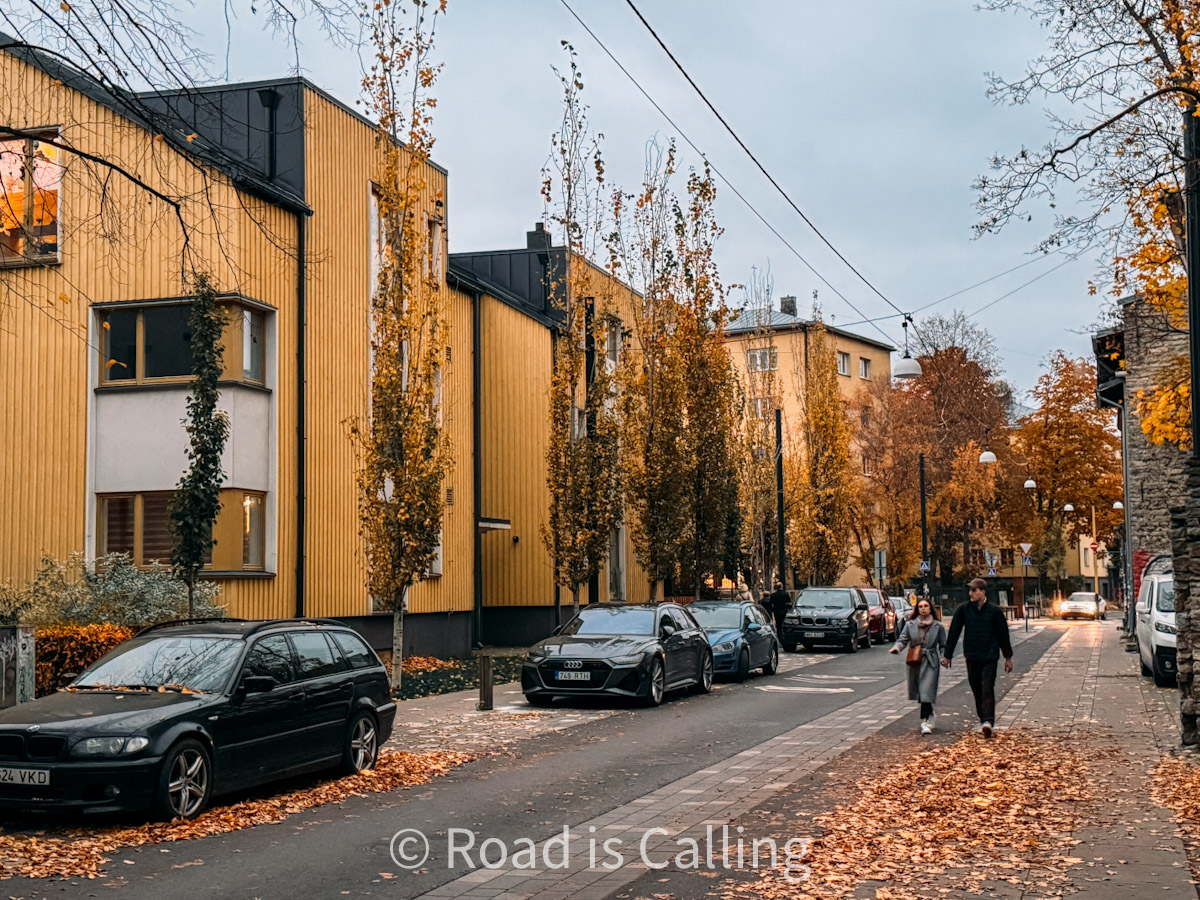
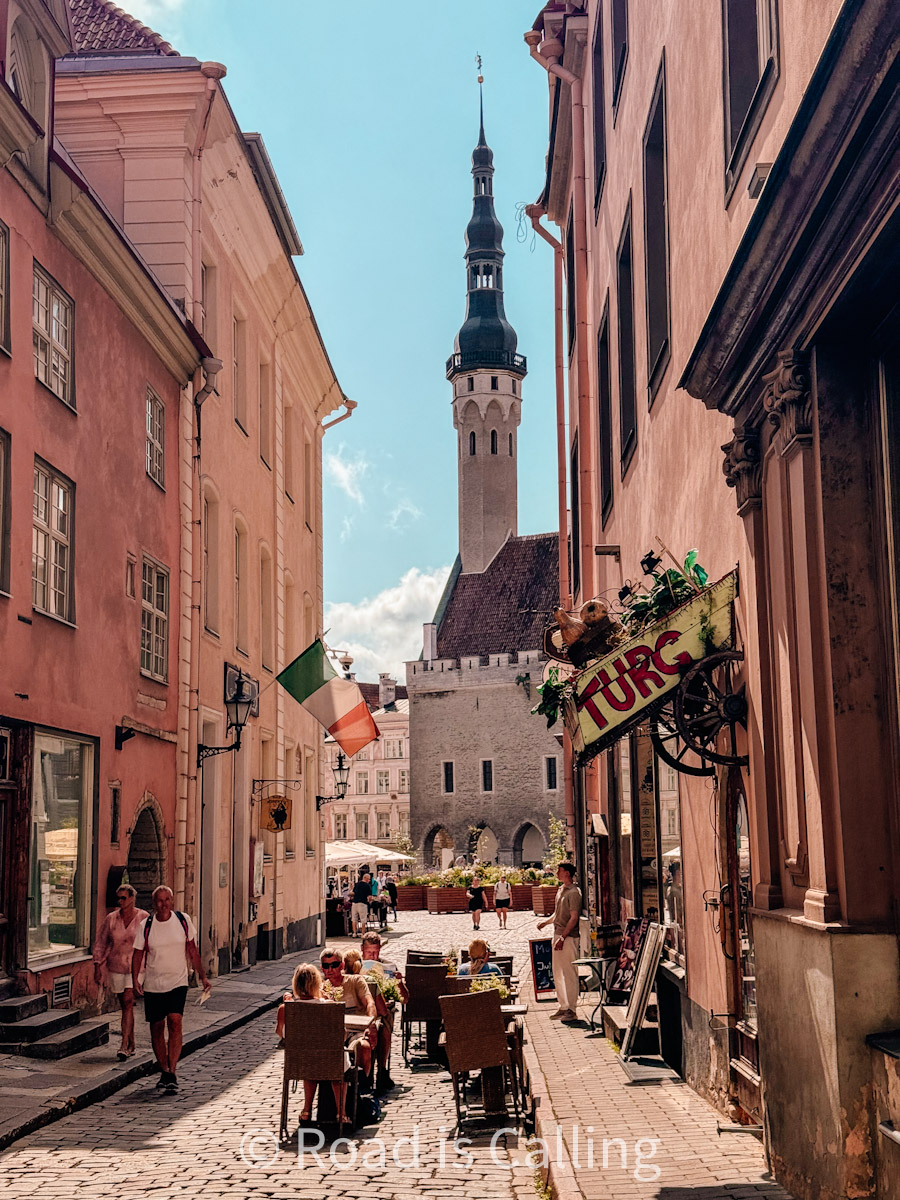
What surprised me most was how Nordic the city feels once you start moving around it. Some neighborhoods (like Kalamaja or parts of Nomme, for example) gave me flashbacks to Stockholm or Gothenburg, at times even Copenhagen.
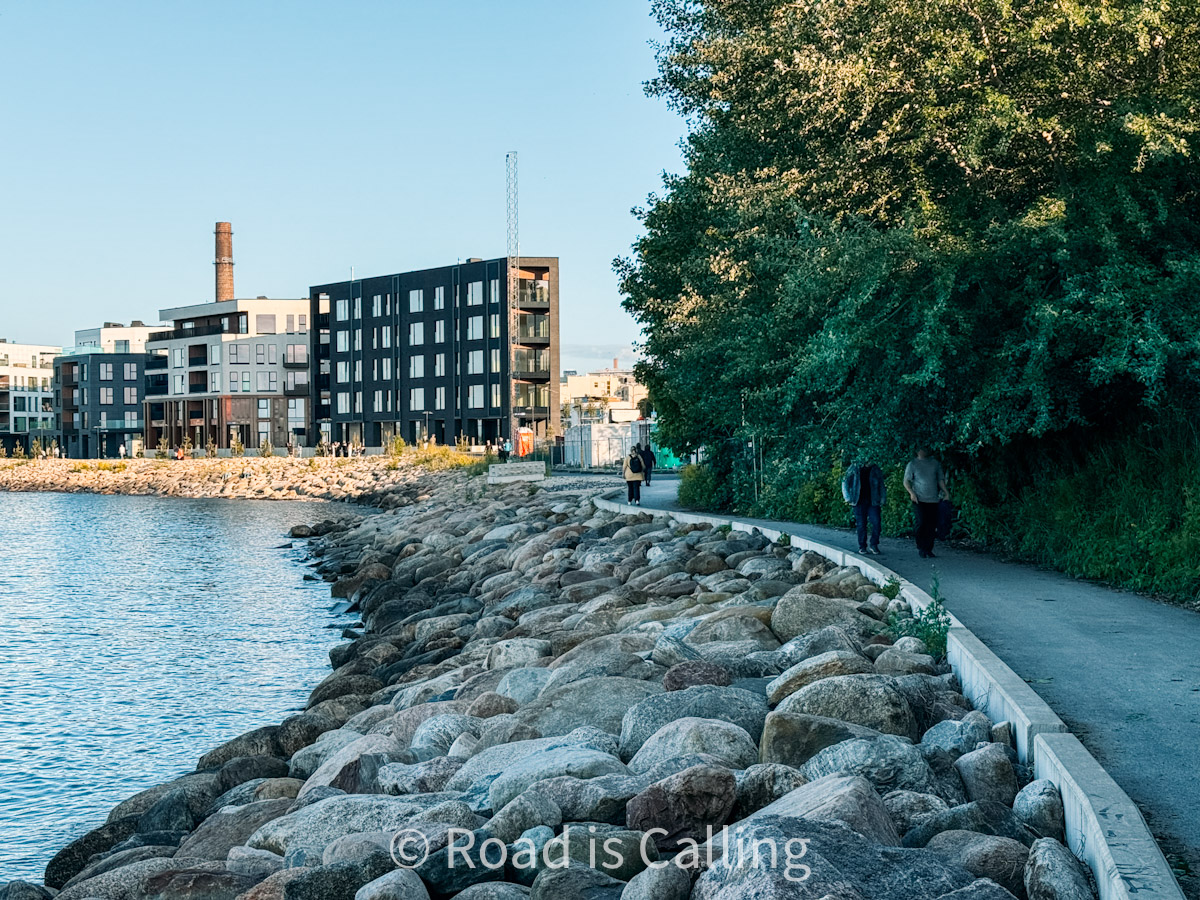
The housing style, clean lines, glass and light – you can see the Scandinavian inspiration everywhere (although of course there are many traces from German and Russian influence too). Even the cinnamon buns are so good that they could stand up against the ones I tried in Denmark (I even have a separate post dedicated to the best cinnamon buns in Tallinn because they are truly amazing).
At the same time, there are many unfinished corners, overlooked details, never-ending construction (like many projects start, stop, restart, or don’t finish at all, and that’s right in the city center), and a “good enough” attitude that Scandinavia would never tolerate. Tallinn sits in that in-between space: partly post-Soviet, partly Nordic, part uniquely Estonian, but never fully one or the other.
It’s not good or bad, it’s just the observation of something that might annoy some people, while others might not even notice it at all.
But one reality to be prepared for is that Tallinn will not be cheap. It’s an expensive city.
What Makes Tallinn Great (Pros)
Safety and Peace of Mind
The first thing I noticed about Tallinn is how quiet and safe it is (I never get tired of repeating that it is one of the safest cities I’ve been to in the world), and that feeling never really goes away. You walk around and it feels peaceful, never in a hurry, almost detached from everything that’s happening in the world.
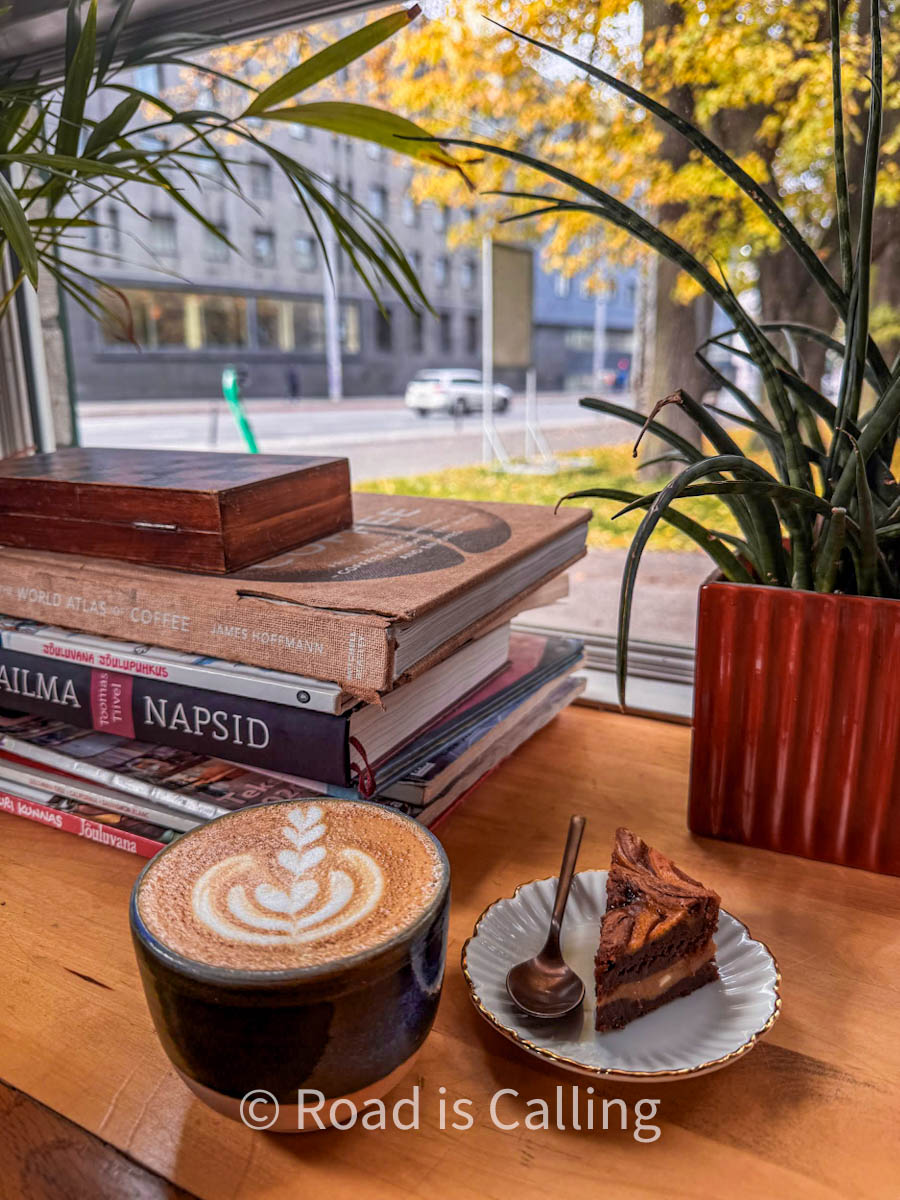
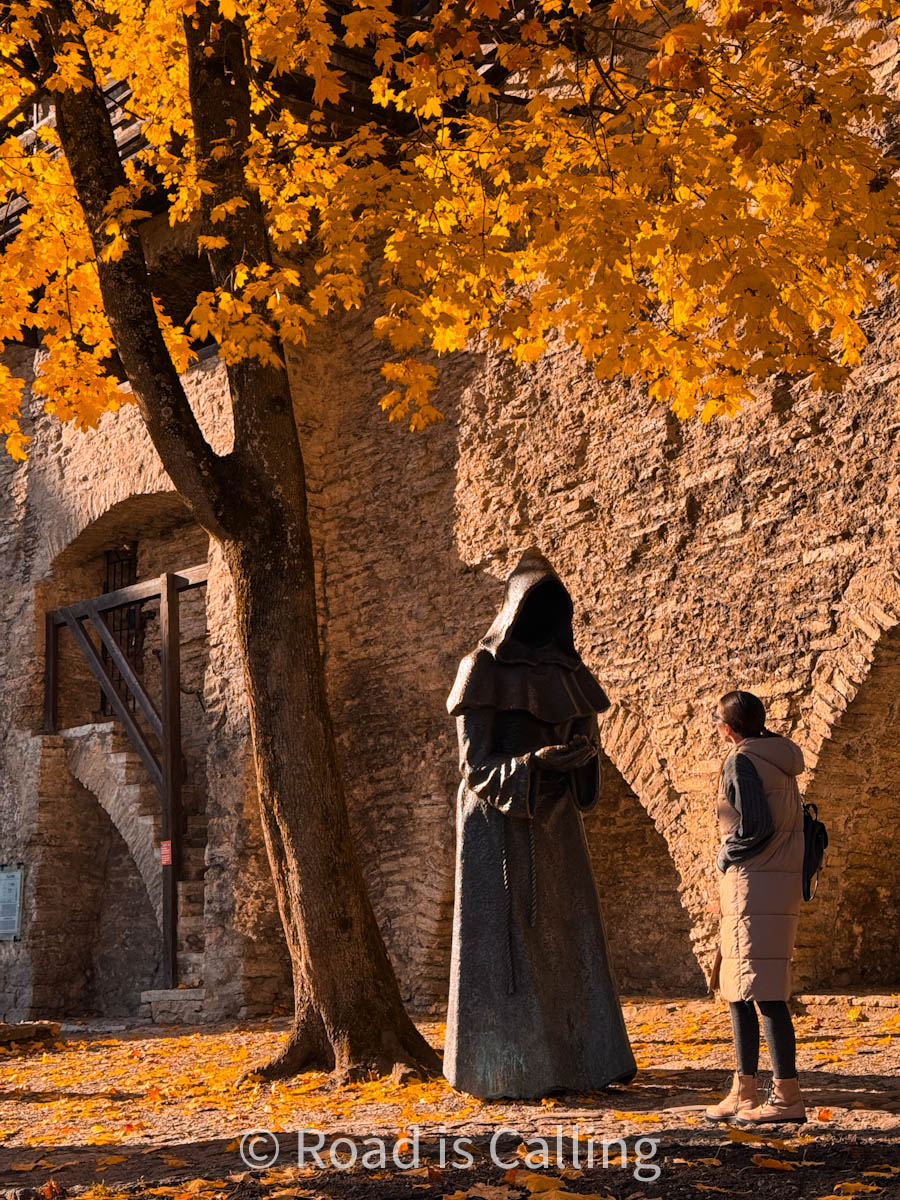
Even when I scroll through the news and see all the chaos elsewhere (and in my case, I know exactly every detail that is happening in Ukraine), here it feels distant, like I am inside a small, stable island where life continues calmly.
That sense of safety and peace is so valuable because it gives you that mental space to breathe and live without constant stress.
Nature Everywhere
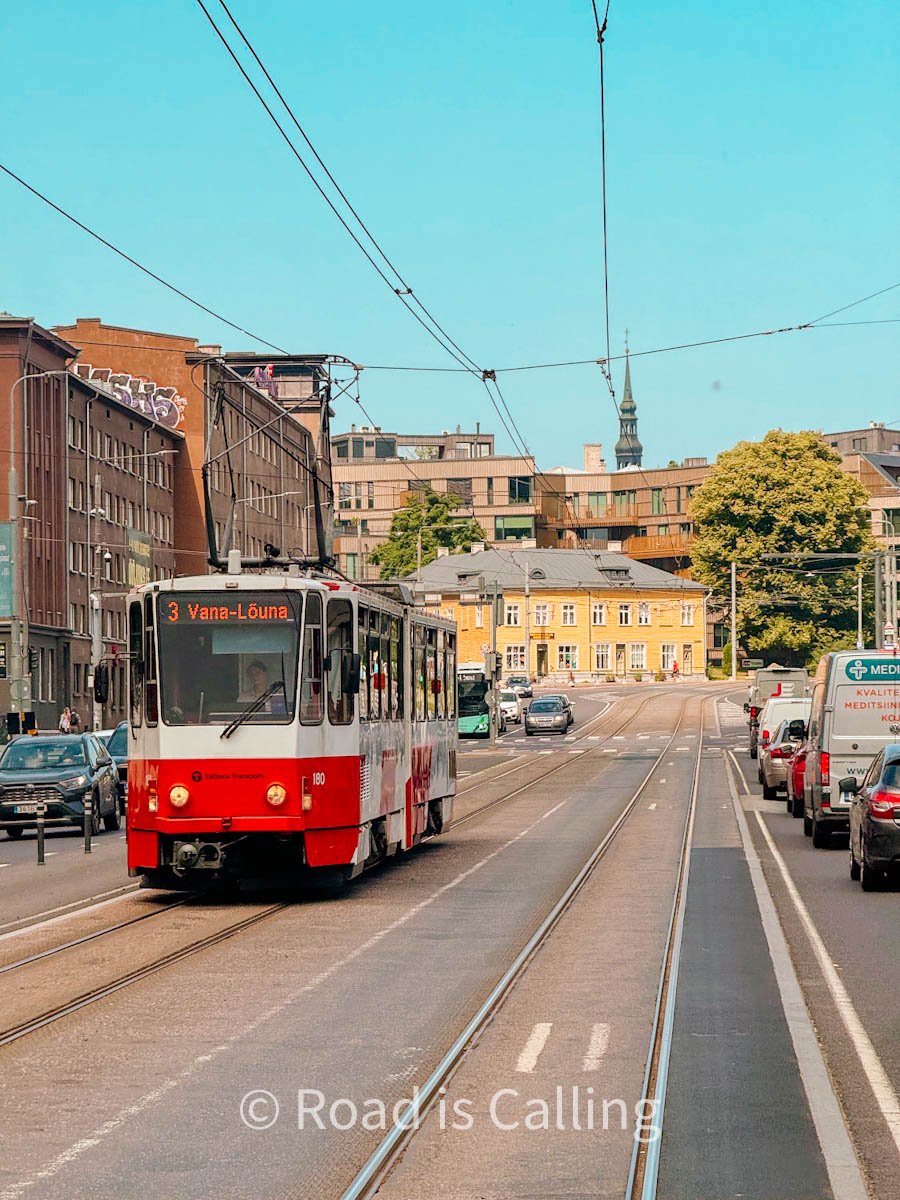
The way Tallinn is built also adds to that impression. It is spread out, but it doesn’t feel fragmented because neighborhoods connect well (with excellent public transport to each of them), and people aren’t living on top of each other.
It’s a compact capital, but at the same time is surrounded by nature: forests, green areas, bogs everywhere.
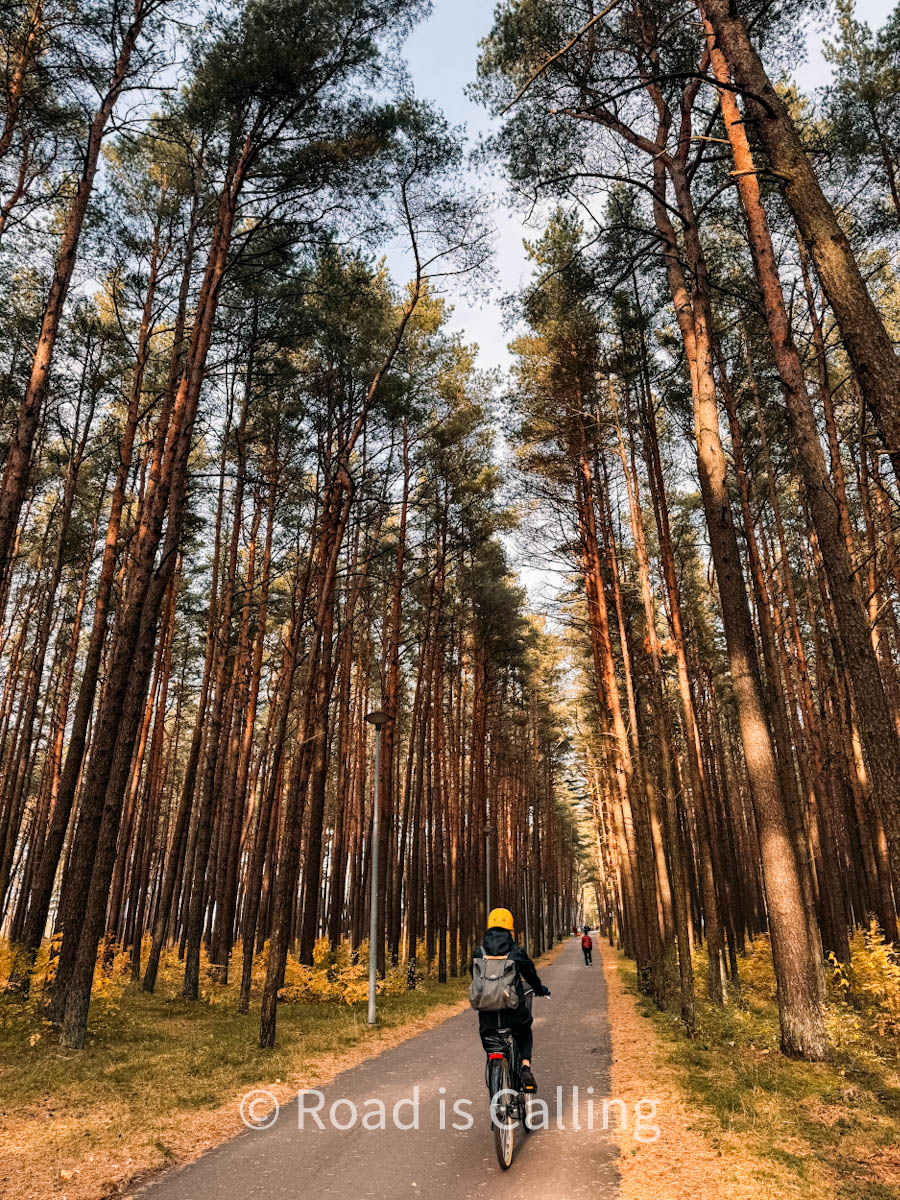
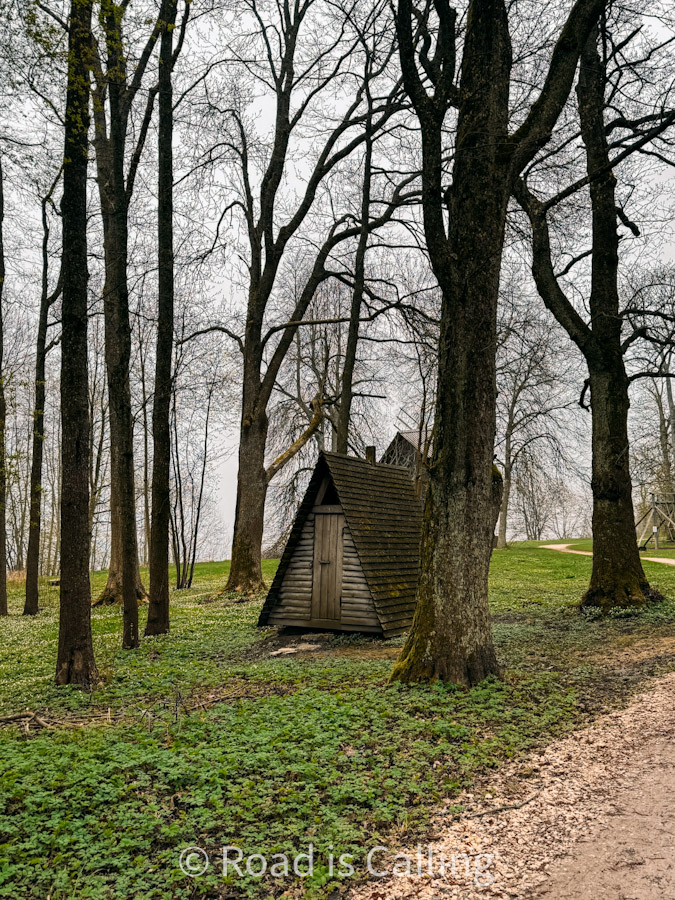
Air here is fresh and presence of so much greenery works almost like therapy. For people who enjoy spending time outdoors, it’s a gift – you can walk safely in the woods, pick mushrooms around Tallinn in autumn, ski through forest trails in winter, or just take a calming hike without ever leaving the city’s edge.
If you want to see even more of what Estonia’s nature is about (or to explore interesting things in Estonia), you don’t necessarily need a car. There are easy day trips from Tallinn to Lahemaa National Park with bog trails and waterfalls near forests where you can experience that wild northern landscape in just a few hours.
It gives you that balance where you live in a capital but still have nature at your doorstep (literally).
Culture & Education
Another part of Tallinn that I need to give credit to is the cultural side. Of course, it’s not the cultural capital of Europe and it’s smaller than many other capital cities, but people here are highly educated (I guess that’s also one of the reasons why so many successful innovations have come from here), and you can feel that in daily life.
Museums surprised me most and not just in Tallinn, but outside its city center and across the country (I am now traveling around a lot and discovering so many awesome museums in Estonia). Some of them are among the most interesting I’ve visited anywhere in Europe, and yet I had no idea before moving here.
That reflects a deeper value system: people care about preserving their history and presenting it thoughtfully, not just making it look pretty for tourists.

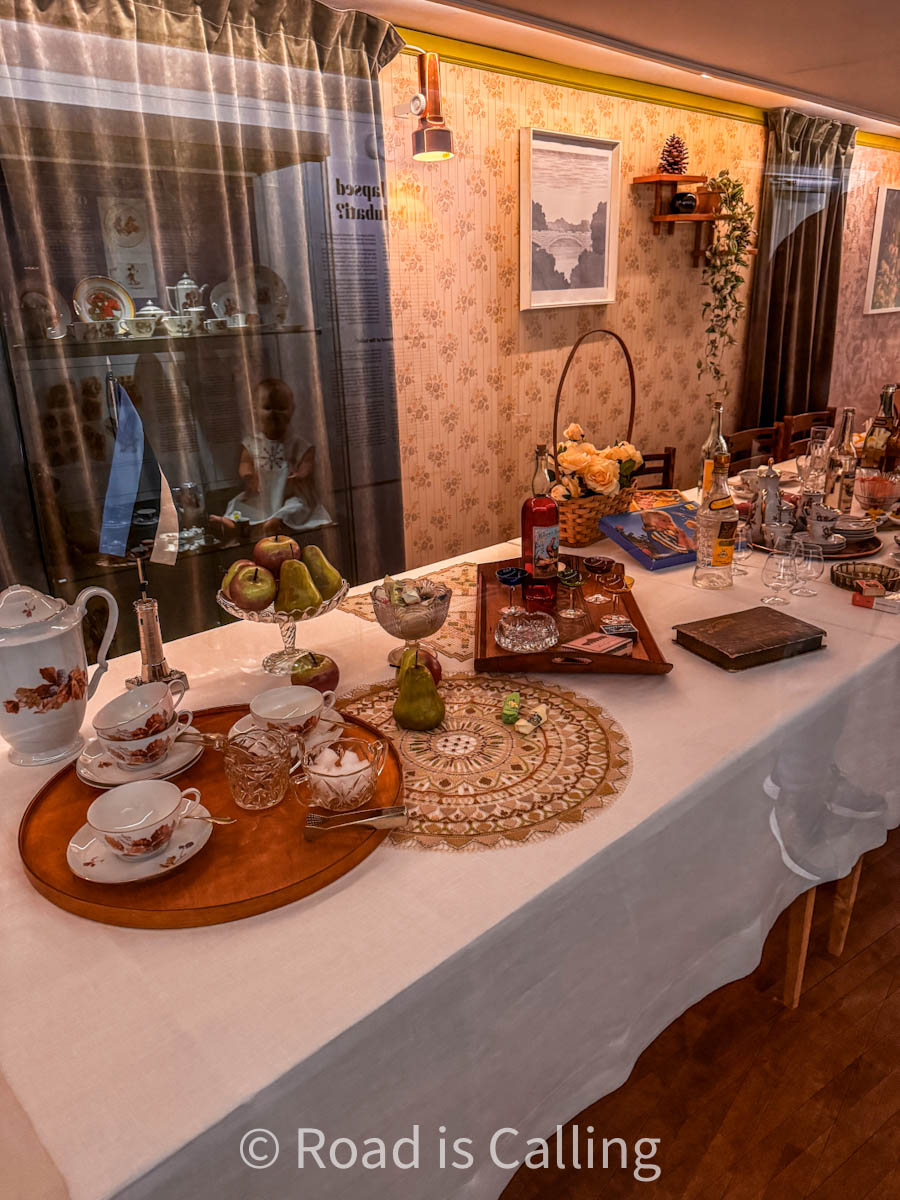
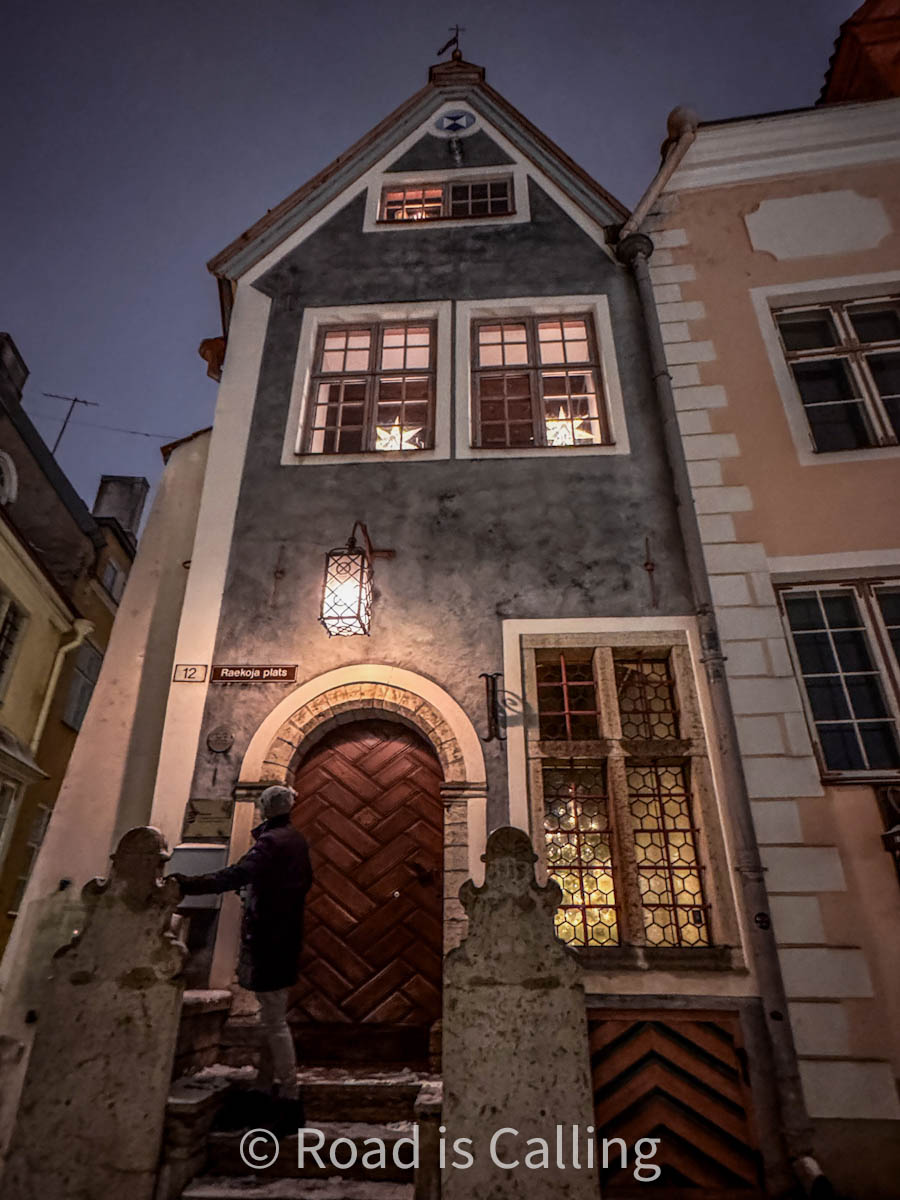
Overall, living in Tallinn, you get the sense that you are among an educated and cultured population. It shows in how people communicate, dress, what type of activities are popular here (theaters, cultural events, reading sessions, poem nights are just some examples), how they carry themselves in cafes and concerts, and in general how they see life.
There is a quiet kind of elegance and intelligence in the way Estonians move through the world, and it starts to influence how you look at certain things in life too (in a good way).
Digital Life & Simplicity
At the same time, practical life is simple here, which for me is a huge plus. Bureaucracy here is almost nonexistent compared to other European countries. It’s easy to open a bank account, register something, or even start a business.
If you are a legal resident, you also get free public transport in the city, healthcare coverage, and other benefits that really make you feel looked after.
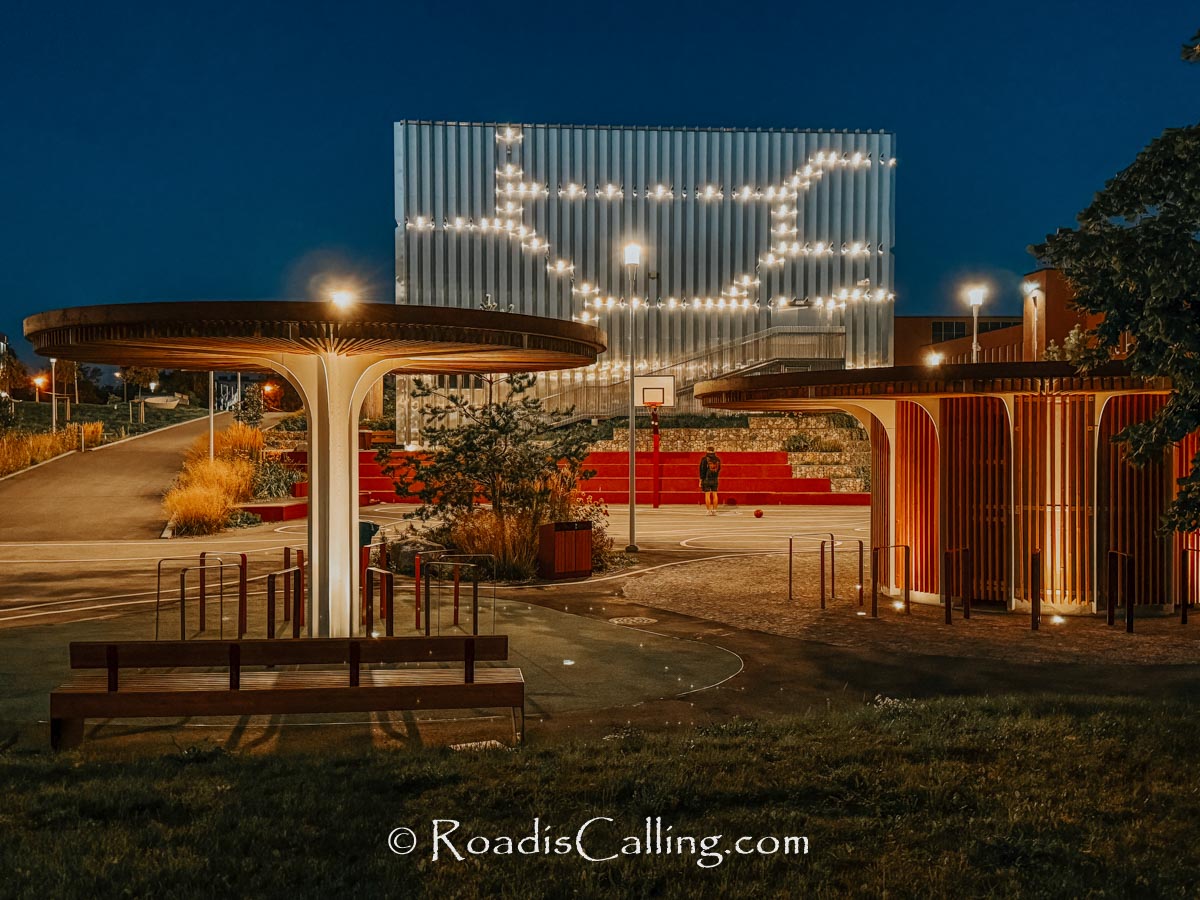
Even as a foreigner, short-term things like getting a transport card or booking a private doctor’s appointment are straightforward. You don’t wait months like in many countries in Europe, often can see a doctor within a day or two after making a call (which by the way is easily answered in English, this language is widely spoken here and is a big advantage for a foreigner).
All of it makes you feel that you are not just left on your own, but that you are part of a system that actually works and supports you.
Food & Variety
Another thing that I personally love here so much is the excellent choice and quality of food. Maybe it’s because Tallinn is influenced from so many sides, but Estonians overall place importance on high standards and food quality.
You will always have access to a big delicious variety of foods in grocery stores, can find lots of cafes that offer very nice breakfast here, lunch or dinner options, and even some cheap eats if you know where to go.
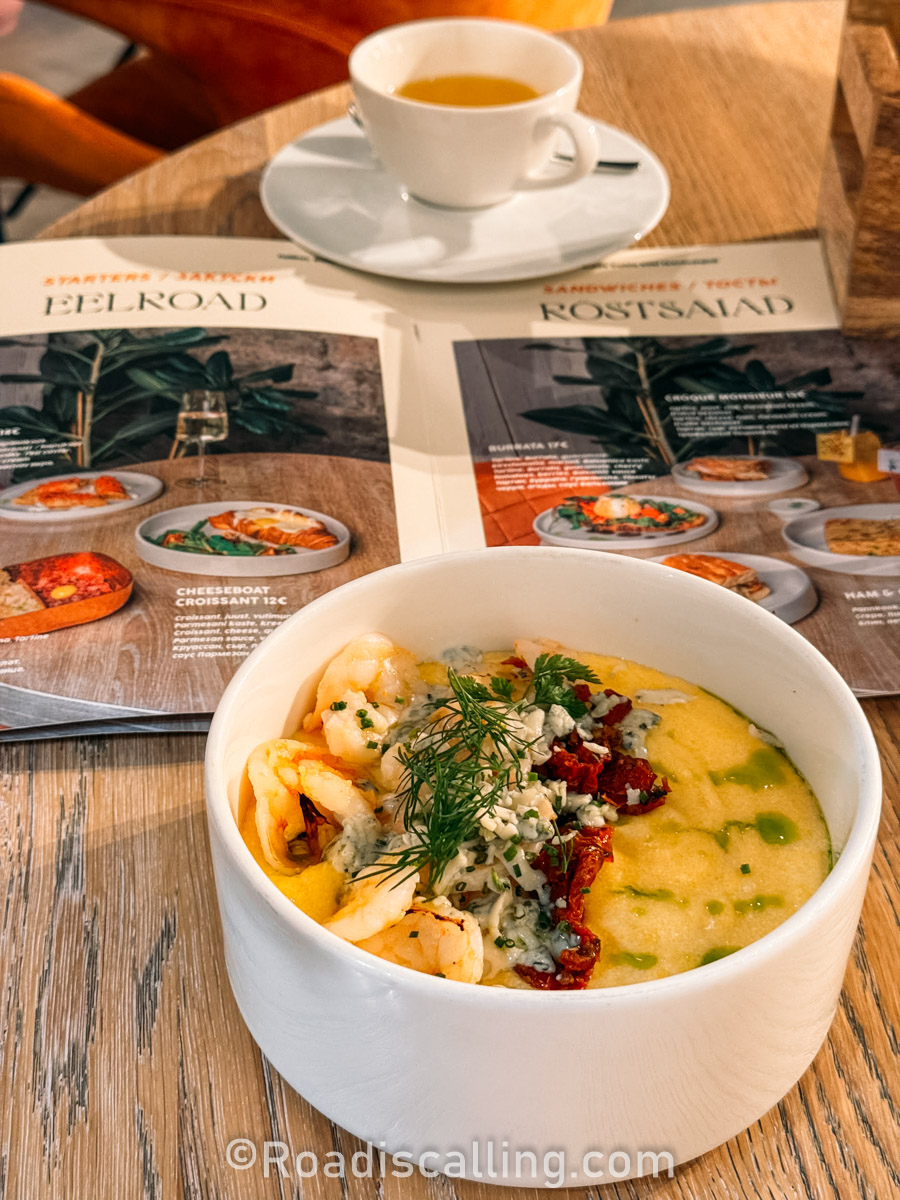

So this type of mix creates a variety that keeps daily life interesting, and what you get is not only tasty but also fresh and high-quality. For me, food here has been one of the most pleasant surprises.
Quick Pros of Life in Tallinn
- Exceptionally safe, peaceful atmosphere, very slow pace of life (doesn’t feel like you are living in the capital)
- Surrounded by forests and fresh air (yet still a capital city); great for people who love being more in nature than anywhere else
- Educated, cultured population – from museums to daily life
- Beautiful city – well taken care of on all sides, also with one of the most beautiful old towns in Europe
- High-quality and variety of delicious foods
- Bureaucracy is minimal, digital systems actually work (and make life so much easier)
- English is widely spoken, Russian too, so communication is easy
- Strong Nordic influence and lifestyle with a strong local culture of calm, nature, and space
The Challenges of Living in Tallinn (Cons)
When I think about what makes life in Tallinn difficult, there are four things that come back to me again and again.
They are not small details you can brush aside; they shape your everyday life here and, in my case, often make me question whether I actually want to stay longer (because I am not tied to this city by work or family, I am here by choice).
Weather in Tallinn
This is the biggest one. Of course, I knew I was moving north, I wasn’t expecting Spanish sunshine or Tenerife skies. I was ready for cold, for rain, even for long winters. But what I didn’t imagine was just how depressing it feels over time.
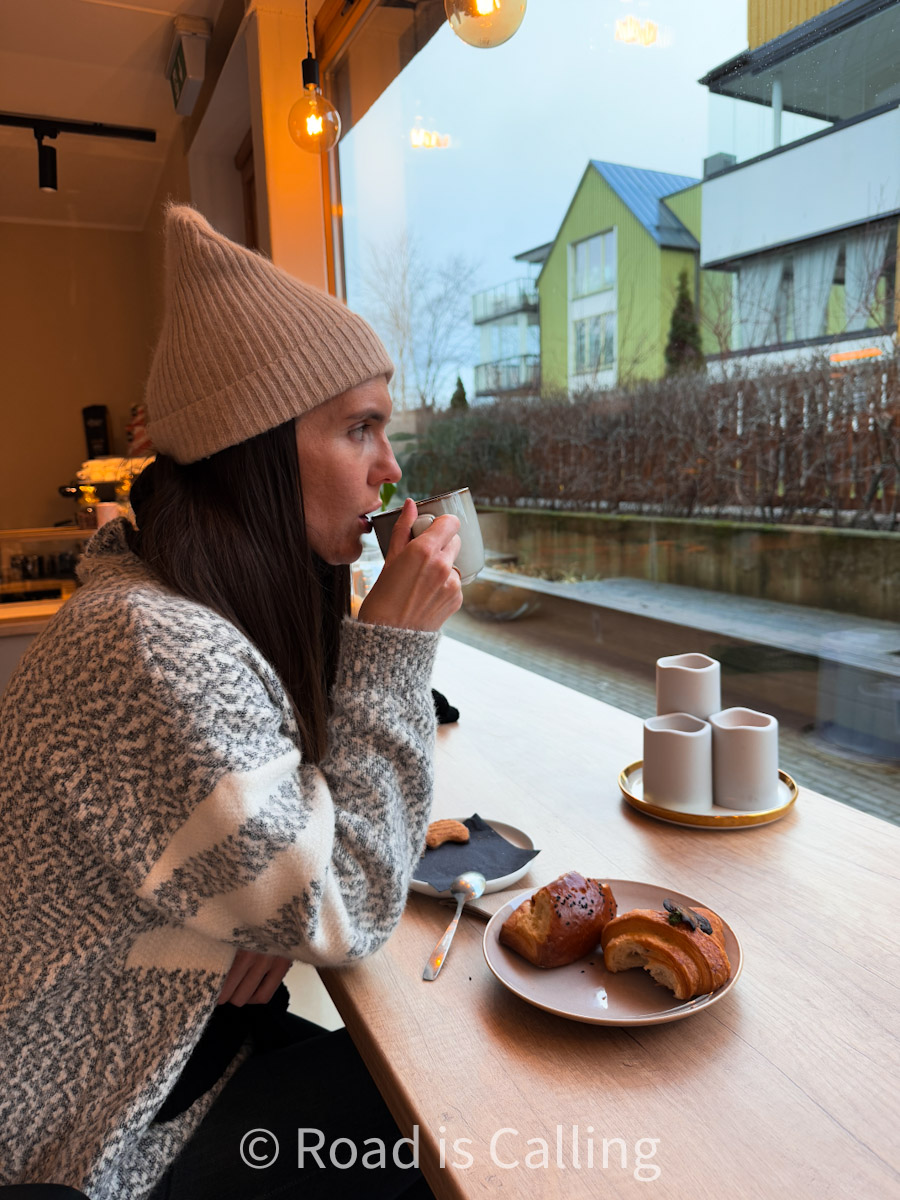
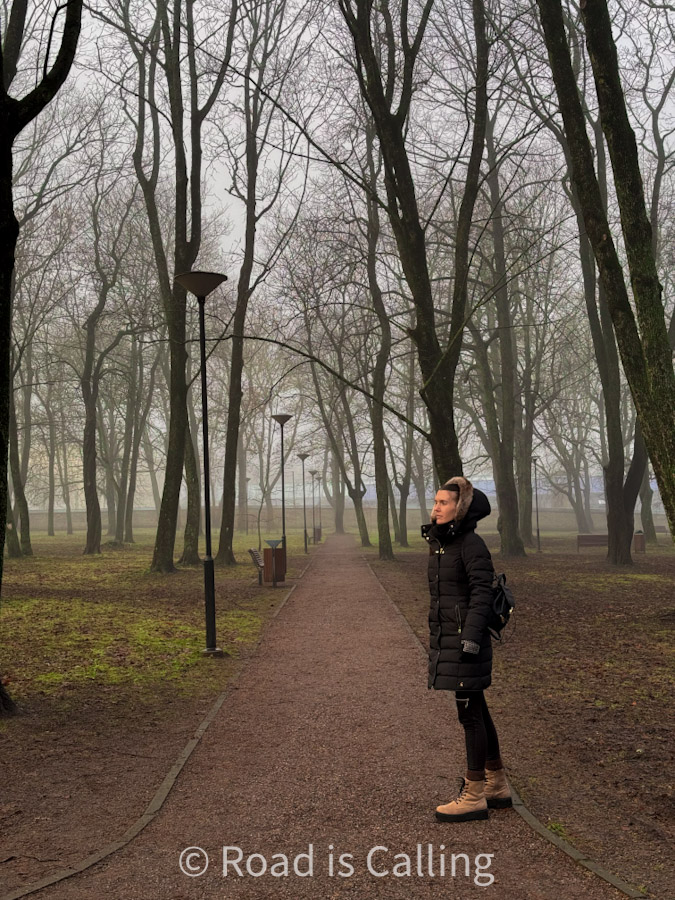

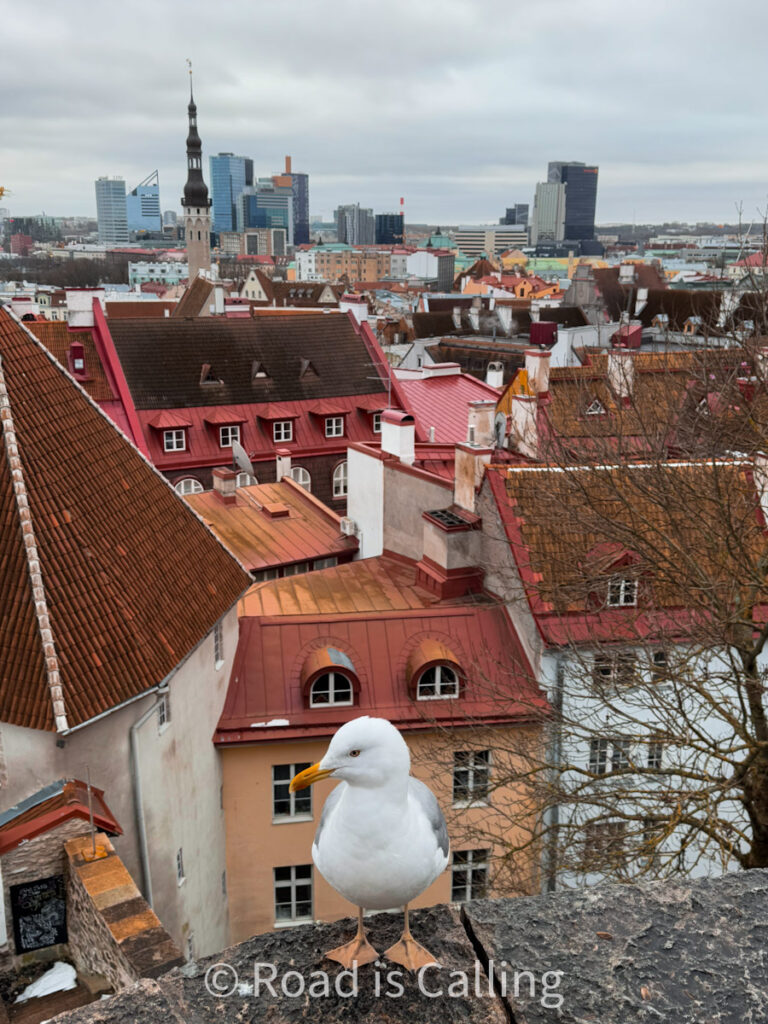
At first it’s fine, especially if you arrive from a warm, sunny country (and your body is still full of vitamin D), you almost enjoy the change. But eventually, the endless grey begins to wear you down. Even if you don’t think you are sensitive to it, sooner or later Tallinn’s weather will get under your skin (that’s how it is for my husband who was so happy about the change of weather, but now is the one who needs escapes to the south).
And if you are the kind of person who needs sunlight to feel alive, like me, it can become unbearable both physically and mentally. I grew up in Khmelnytskyi, a place that already had tough weather (like Scotland but with snow and freezing temps in winter), but compared to Tallinn even my hometown feels sunnier.
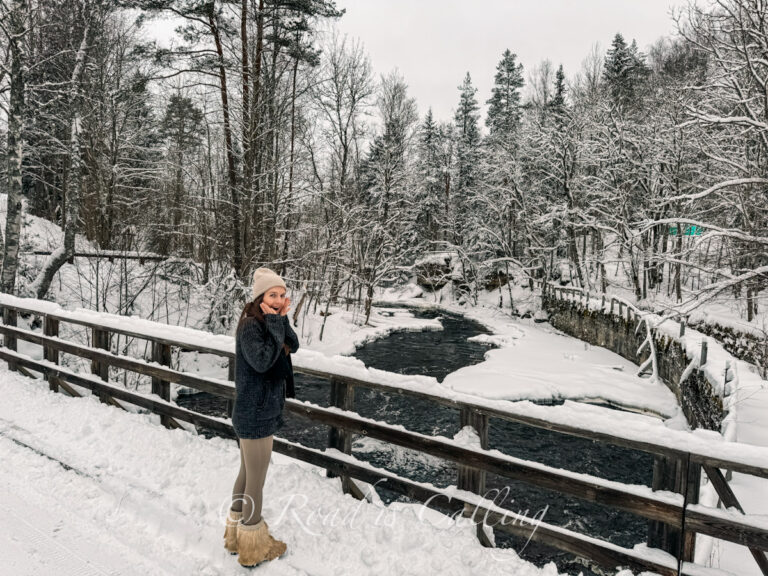
Here, summers often never really arrive (based on what locals say and on my experience now). This is my second summer in Tallinn, and it lasted about two weeks… literally two weeks of around 23 degrees, when I could finally wear sandals and a T-shirt. The rest of the time it’s jackets, sometimes even hats in June, frequent drizzle, damp air, and now in August the same heavy grey haze has settled in again.
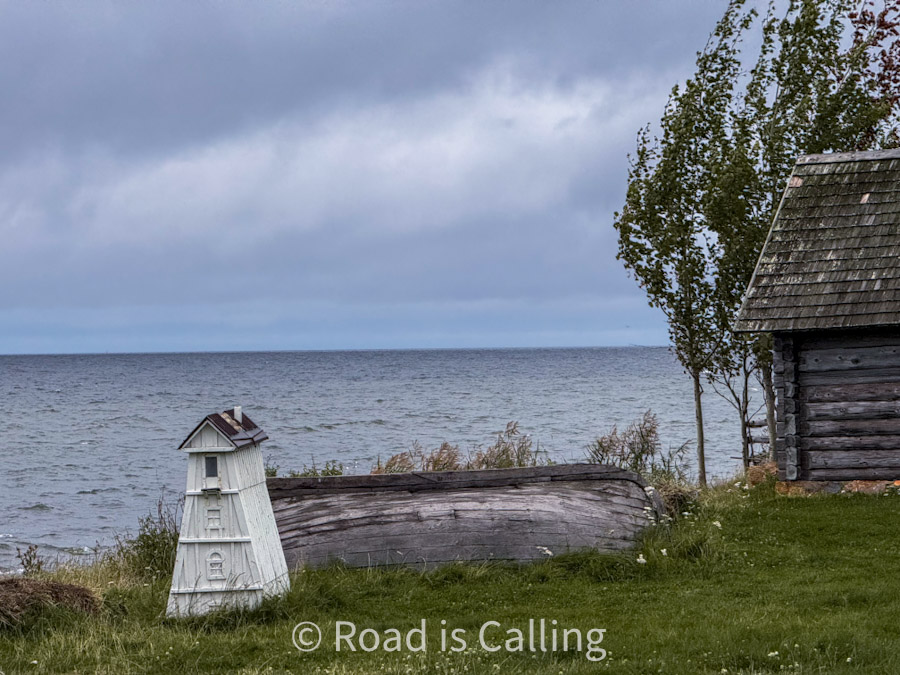
Add the wind, which never stops, and even small things like wearing your hair down become impossible (if you are a woman and have long hair, you’ll understand what I mean) – within minutes it gets tangled into a knot. Weather here is not just a topic of conversation, it is something that becomes an important factor in life and is hard to adjust to.
It makes Tallinn one of the best destinations to visit in summer to escape the heat, but to live here with cold, often damp weather is just so tough. However, I will admit – I think that Tallinn in December and for Christmas is really awesome.
TIP: My advice to you – if you want to test out life here, come in November (this is when you’ll find the worst weather) or in March. If you stay here for at least a couple of weeks and handle it well, then chances are high that the weather will not be a big deal.
Cost of Living
The second thing that makes life less predictable (and stressful at times) is the cost of living in Tallinn.
Expenses here are consistently high, even if you are not living a luxury lifestyle. Rent is the most affordable thing (which comes as a surprise to be honest), but everything else like food, transport, healthcare (I mean private clinics), eating out (or even just having a cup of coffee), and small daily things, they are pricey and add up.
So you understand, Estonia has one of the very highest VAT rates in Europe – 24%. It’s something you’ll notice in daily life, since everything from groceries to services carries that tax.
For expats who move here for a solid, good-paying job, it’s a little different: they have a fixed salary, maybe family ties, sometimes even Estonian roots that bring them back.
But for digital nomads or anyone else whose income is on the lower side or can vary month to month, it’s risky. (By the way, if you don’t have a job and want to come to Tallinn with the hope of finding one… better don’t. It’s not the kind of city where opportunities just wait for you – the job market here is small, competitive, and salaries aren’t exactly motivating.)
Even a “basic” life costs more than you expect, and if you want to travel or do anything extra, it gets more expensive quickly.
Below I share more information about what things cost in Tallinn, so it gives a better understanding of the prices.
Isolation & Not Many Affordable Flights In/Out
The third thing for me, and it’s something I only really understood after living here for a while, is how strong the isolation feels.
Tallinn is literally on the edge of Europe. To one side you have Finland, on the other Russia, from the western side is water, and in the south only Latvia – that’s it.
If you want to go anywhere else, you have to fly, and flying is not easy from here. Connections are weak, low-cost airlines keep disappearing (Ryanair used to fly, now it’s gone from most destinations), and Tallinn airport is a poor hub compared to almost any other capital in Europe (although it’s so cozy and peaceful).
For someone who is like me who loves to travel (or for whom travel is part of their business), this becomes frustrating very quickly. You can’t just decide randomly that you want to fly somewhere for the weekend, because airline ticket prices are so high.
You can’t often properly plan a long trip ahead of time because flight connections are either not there at all or they are overly expensive. If there is a deal, you have to grab it immediately or it’s going to be gone.

Even travel opportunities around Estonia are pricey: train tickets are expensive as well as car rentals together with holiday apartments and hotels. Accommodation options, by the way, often even match Finland and Norway which honestly makes no sense. We traveled to Lapland on a budget already a few times and were spending less there than on travels in Estonia.
Within Estonia itself, it also won’t take long to cover everything. After three or four weeks of active trips, you’ve basically seen the whole country. So the isolation, both geographical and practical, is real.
Of course, if travel is not very important to you then this is not going to be an issue at all.
People & Daily Atmosphere
And the fourth point, the one that also wears on me, is the general attitude I feel from many people in daily life. It’s not about them being reserved (that everyone likes to mention) that I don’t mind at all. It’s more about the expression people carry, the way they interact.
Very often there is this constant look of dissatisfaction like you’ve disturbed them just by existing. Everywhere you have to watch how loud you talk, what you say, or God forbid, what emotions you show – because people will stare, gossip, or simply avoid you.
Here, it’s not really accepted to be yourself. You are expected to blend in with the crowd, look serious, follow the ‘proper’ dress style, not smile too much, not speak or laugh too loudly (on buses you practically have to whisper, otherwise people will stare – for them, normal talking already sounds loud). In shops, in cafes, in small day-to-day encounters, you sometimes get rudeness or a dismissive response…
After a while, it all becomes tiring. And it makes you feel like you always have to keep yourself in check.
Of course, not everyone is like this. Estonians in many cases are polite and helpful, and I’ve had small pleasant moments when someone smiled or made a joke in English. But overall, the atmosphere often feels heavy for some reason.
The Russian-speaking community especially tends to bring this energy of coldness and discontent, and because it makes up such a big part of the city, you feel it everywhere. For me, as a Ukrainian, it’s a familiar mentality, but living in it every day is another matter.
It’s very different from what you feel in southern Europe, the US, or Canada, for example, where people greet you with warmth, even if it’s a little superficial. Here, you often sense the opposite: that you are a burden, that it would be better if you didn’t approach, or if you are just quieter without any emotions.
Even compared to Finland (where people are also known for being reserved), Tallinn feels harsh. Finns may be as cold as their weather, but I find them quiet in a pleasant, friendly way. They just seem to be so nice people. In Tallinn, that same silence often comes with a frown. And the worst part – with time, you kind of start forming the same attitude towards others.
Healthcare in Tallinn
For me, another very important con is healthcare. I especially feel it because I have a certain health issue where I don’t just need a general practitioner or a family doctor, I need a proper specialist who can monitor me regularly (to be exact, I need a knowledgeable and experienced neuroendocrinologist).
And here I simply haven’t been able to find one. Until now, I still continue my treatment with my doctor in Ukraine, at a distance, because here those kinds of doctors just don’t exist.
Even with basic things, like women’s check-ups, my experience hasn’t been good – doctors here seemed very superficial, they don’t really go into the matter deeply. But if you just need antibiotics for something or a general health check, that’s no problem; you can get them easily.
So maybe for many people it feels fine, but when you need deep, specialized help, my personal experience is that it isn’t here.
Dentistry is another disappointment. I went to several dentists trying to find someone I could trust, but never really did. The ones I liked were expensive (almost the same as what my mom pays in Bavaria), and the cheap ones offered treatment that just didn’t feel high-quality. So until this time, I do all my dental work in Tenerife when I fly there. (Of course, that’s just personal experience, and to each their own.)
Here, every consultation is paid, even when you don’t need a consultation (like when you need to go get a procedure, for example, a dermatological one or even dental related. They still charge you for a consultation even though you come specifically to get a filling, for instance).
Some treatments cost as much as in Germany when you don’t have insurance and need to pay out of pocket. Pubic insurance costs €180 per month per person (which is average and doesn’t cover a lot), but you still need to pay co-pays upon visits. Private health insurance is cheaper but even less generous, and you end up paying more in the end.
Often, attitude also feels careless, more like business than real care. Maybe that’s how things are in many places in Europe now, I don’t know. But in Spain, for example, even though it is harder to get an appointment, I feel the quality is higher and I have confidence in doctors. Here, it feels very surface-level and for me personally that’s a struggle.
Cost of Living in Tallinn & Practicalities


Since I’ve already mentioned more than once through this article that Tallinn is expensive, instead of just repeating it again I’ll give you concrete examples. This way you can see what ‘expensive’ means in reality. Maybe for you it actually will be ‘cheap’.
- Apartment rent – a good one-bedroom in a nice, central neighborhood (not in Soviet blocks out in Lasnamäe or Mustamäe, but somewhere closer in, with parking and good access to the center) will be around €900–1100.
Utilities are the tricky part: in older buildings they can easily reach €250–350 per month in winter (for a one-bedroom flat), while in newer houses they are usually lower (we pay €50-100 in summer and €120-150 in winter which is considered low). So in total, for a decent modern place, expect around €1000-€1100 a month including utilities in summer and €1200–€1300 in winter. - Groceries – two people will spend on average €80–100 per week, so around €350–400 a month. But these are just groceries if you shop at Lidl, look for sales in Rimi or Maxima and cook at home. Otherwise, if you don’t watch where you shop and what you buy, it can be two times more.
- Coffee & pastries – cappuccino about €3.70-€4 (depending on the cafe), pastry €3.50.
- Eating out – lunch €10–20 per person without drinks, dinner €50+ for two without drinks.
- Clothes – prices here are very similar to those in Belgium and Luxembourg (I guess mainly because of the tax).
- Gym membership – €60-100 per month, depending on the time of day when you go.
- WiFi for the house – €30-50 depending on the plan
- Healthcare – private consultations between €100-150 (depending on the field), but specialists and dentists quickly add up. A dentist consultation alone is usually €25-50, and treatment is charged separately.
- Other extras – delivery food is convenient; renting a car costs between €80-100 per week (in low season), in summer double of that, train tickets cost between €5-20 one way per person (within Estonia)
So, for a couple without huge demands (and without children), but who still want to live a full life (go for coffee now and then, have membership in a gym, maybe see a movie, buy clothes occasionally, attend festivals or workshops, order takeout sometimes, cover basic healthcare whenever needed, haircuts), you should plan on around €2500-3000 per month together (if your salary is in the USD, then based on the current rate it’s $2900-3500).
This doesn’t include big international trips, just the baseline of living normally in Tallinn (without cutting out all the small joys that make life feel like life) and occasional short trips around the country, to Helsinki for a day or so, possibly a spa weekend in Parnu, or a quick getaway to Riga.

I know there are people who can tell me “you can live in Tallinn for €1000 a month” – let’s be clear. Sure, if you rent a studio in Lasnamäe (old Soviet-type residential neighborhood), want to sit on a park bench, eat the cheapest groceries, never go out, and cut out half of normal life, then maybe.
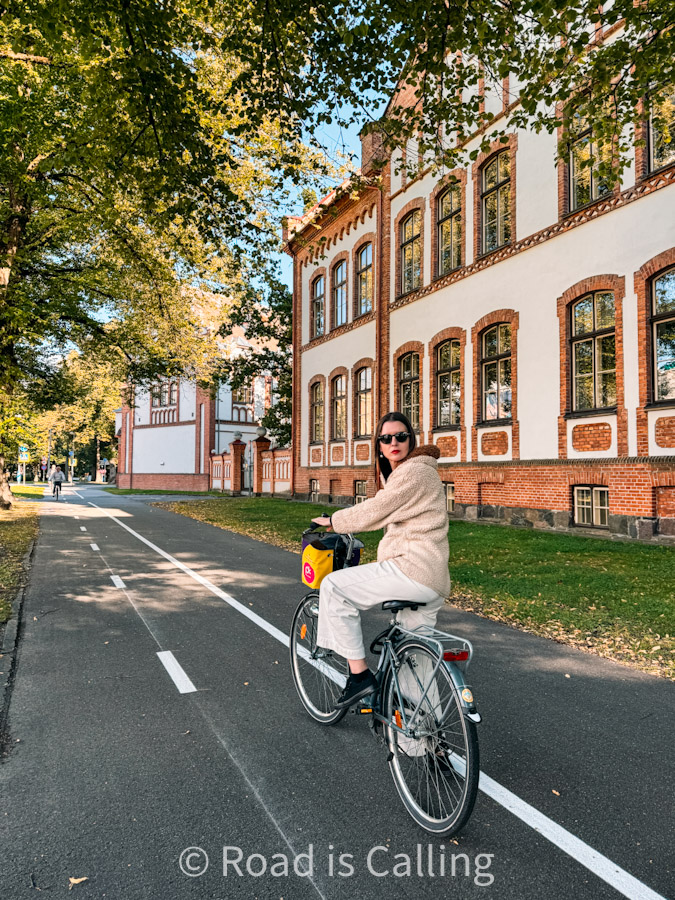
But that’s not what I’m talking about here. I’m talking about a realistic, comfortable life without constant self-denial. Of course, everyone has different priorities… some people don’t eat meat, others never go to cafes, some don’t care about small joys like coffee with a pastry or renting a bike to cruise around the city on a nice sunny day, etc.
But what I’m sharing is an average number, based on my own very budget-conscious lifestyle. We don’t spend much, we don’t shop a lot, we travel on a budget and still, this is what life costs here. But, we also don’t have access to free transportation and healthcare. We pay for everything ourselves. If you do through your residency, then of course subtract a few hundred euros from this amount.
If you are used to eating out a lot, buying new accessories/clothes every month, having a personal trainer in the gym, getting nails and hair done professionally on a monthly basis, buying supplements/vitamins regularly, etc. then this amount will not be enough. You would need to budget much more.
Who Will Enjoy Life in Tallinn
The way I see it is this – Tallinn, and really Estonia in general, is a good fit for people who want a calm and secure life in a beautiful city with a slow pace of life and easy access to nature. But, that’s the case if your salary is high enough and you are okay that you are going to live with a lot of darkness throughout the year and often too much cold.
If safety matters to you most of all, then you should know that Tallinn is one of the few places where you can walk at night without even thinking about it, or where your 6-year-old children can go to/from school on their own (I also saw mothers leaving their children in strollers outside while they ran to buy bread or coffee).
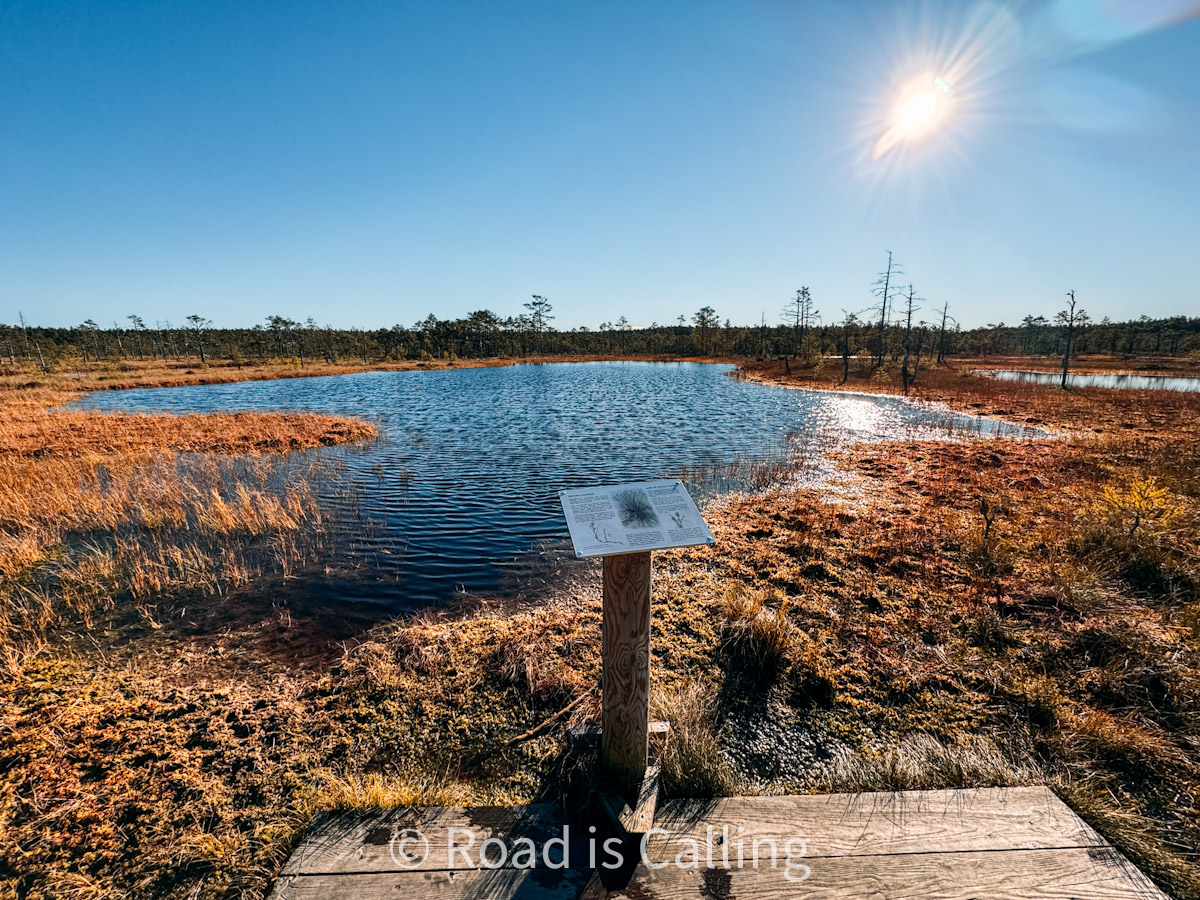
If you enjoy being close to nature, you’ll find it everywhere – Tallinn itself is surrounded by forests, bogs, and the sea, and the rest of Estonia is even greener and quieter.
It’s also a place for people who like order and stability. Life here moves at a slower pace, things are well organized, and digital systems make daily life simple. For those who work online, this is one of the easiest countries in Europe to manage practical things. Bureaucracy barely exists compared to many countries, and almost everything can be done with a few clicks.
Besides that, you’ll have here security (because life is stable), a strong sense of history and identity, and an environment where you can live peacefully without constant noise and stress.
So, if you can handle cold, grey weather for 8–9 months of the year, and don’t mind people being mostly serious, gloomy, or quite distant, then you’ll enjoy life in Tallinn and in Estonia overall.
Who Will Struggle Here
I think Tallinn is really not for people who need sun and warmth to function, and also those who love never-ending action or always busy lifestyle. The endless grey here will eventually get to you, no matter how much you think you can handle it and even if you are on a daily dose of vitamin D. There is also not much happening here in terms of action, so it is easy enough to feel bored with time for some people.
And if you are the kind of person who likes to jump on cheap flights every weekend, this place will drive you crazy, because you just don’t have those options here – tickets are expensive (although we now have a couple of Ryanair and Wizzair flights available), local travel is limited, and sooner or later isolation hits you.
But just as much, Tallinn is not for people on a tight budget. It is NOT a cheap place to live in Europe anymore, and you feel it in almost every area of life – from daily groceries and eating out to healthcare, education, and social life. If you are used to certain comforts, you’ll quickly realize that many things are either too expensive here to enjoy regularly or simply limited in choice.
For people with flexible, unstable income (freelancers, digital nomads) this can be especially hard, because expenses here are steady and high (taxes increase every six months), even if you are living simply.
My Personal Take / Conclusion
After living in many different places, I can honestly say this: Tallinn (and Estonia in general) is an amazing place to live – it is incredibly safe, beautiful, quiet, clean with delicious air (thanks to all those forests here), well-organized and sparsely populated where there’s enough space for everyone… there are also so many aesthetically beautiful cafes and restaurants (that are so good), even though expensive.
But like anywhere in the world, it’s not for everyone. At first glance it looks like the perfect spot, but for many people it won’t be a good long-term fit.
It’s definitely going to be a tough match for those who need a big-city rhythm – constant events, late-night energy, lots of new faces, that “something is always happening” feeling. Tallinn is calm (which is amazing), but if you like some sort of noise, chaos (in a good way), and variety every week, its calmness starts to press on your brain over time.
It will also be tough if you love the sun (100% there will be a serious struggle with the long dark season between November to April, which for the most part is without snow) and if you are not the type who naturally enjoys slow, quiet routines. If you are single, work remotely, and don’t have a social circle here, it will feel isolating fast (within weeks after the move), especially if you’re not traveling at all.
And one more very real thing: Estonian is a pretty hard language. If you don’t plan to learn it long-term, the language barrier will become more and more annoying – not because you can’t survive, but because it limits how “inside” the country you can ever feel.
For me, the hardest parts are: endless grey skies (even though I went on so many getaways in Estonia in winter to stay distracted), high costs of daily life (with my budget I can comfortably live in Spain and even in Germany, but here have to limit myself in many things), and atmosphere that feels heavy when I stay in Tallinn for too long (months at a time).

But what helps is that I have a chance to travel every month. I often travel to Lapland, Tromso, Helsinki (and other places in Finland), Riga, and back to Spain where I spend weeks, recharge and return full of vitamin D.
If I had to stay month after month without leaving, it would be very difficult to live here. I’d be climbing the walls because of the weather and because of the fact that I don’t feel like I am part of the community here (because making connections here with people is almost impossible).
So where does it leave me? I see Tallinn as a wonderful city that gives you peace and stability, but it also asks you to give up certain things, and you need to be clear about what you’re getting in return.
Life here is calm and well-organized, but it won’t push you forward; you have to create your own direction. The small size of the country means fewer opportunities as well… whether it’s work, community, or cultural variety, so unless you know exactly what you want and have the skills or mindset to build it yourself, it feels limiting.
You also need to earn a solid salary to have a good life here (I’d say at least between €3500-4000 for two people per month and more if you have children. Of course, it is possible to live with less too by giving up certain things, and if transportation/insurance and some other perks are covered by the employer).
So whether this trade feels worth it depends on who you are and what you value most in life.
PS: If you’re curious about Tallinn and thinking of trying it for yourself, I’d suggest starting with a short stay. That’s how I began too. You can check the current apartment or hotel options and stay a bit. This will give you a feel of what living here is like before committing long-term.
Let me know if you have questions about lifestyle in Tallinn or about the moving process here. I’ll be happy to help with what I know!
Do you want to connect? You can follow me on Instagram (I recently created a new account to make it more personal) or on TikTok, where I also share my favorite finds in Estonia and beyond.
Life in Other Places In Europe & Beyond
- Life in Ukraine Today – with the war in the background
- Living in Tbilisi as a Nomad – why it’s not for everyone
- Life in Istanbul for Foreigners – what to know and expect
- Our Life in Los Angeles – why it never felt like home


I came recently to Tallinn for a few weeks to feel life and weather before committing to a move here and to be honest, I can’t take it. It’s only beginning of November and I am literally depressed already. I got a very good opportunity to come here for work but I know this weather will destroy me from within, I mean it. I spent most of my life in the south with sun and nice weather, it is difficult even to vacation in such type of places
I hear you and understand very well. I grew up in a very similar climate (just with longer days) and it is affecting me so much. The only thing which helps me to cope is travel. I left for 6 weeks for part of October and November and feel better. Otherwise, I wouldn’t be able to stay sane too.
I think this is your answer – if Tallinn weather is so tough emotionally, do not move for work alone. You will be unhappy here in the end.