Montenegro is one of the safest countries I have ever been to. It was like this in the past and that remains unchanged until this day. In fact, one of the reasons Mark and I constantly return here for a few months every year is because we feel very safe in this country as tourists and remote workers (even though we can’t say the same about many places in Europe).
But I know, providing a general answer that Montenegro is safe may not suffice for many people, so I want to talk in detail about this topic and address any specific concerns or doubts that others may have regarding safety in Montenegro.
Take a look at the section with frequently asked questions (I often get them from others who I help to build Montenegro itinerary, be it for 4-5 days or for a week) and at general Montenegro safety tips for tourists. If by the end of this post you still have more questions, feel free to ask them in the comment section.
Is Montenegro a Safe Country – Quick Overview


Before I get down to the nitty-gritty, let me just say it straight – Montenegro is a safe country. It is safe for American tourists as well as for other tourists coming from Asia, Europe, or Africa. Of course, there is no heaven on earth, disadvantages and shortcomings happen everywhere, but generally speaking, Montenegro is safe and peaceful.
There is virtually no crime in the country (of course it happens but on a very minimal level among locals and between tourists but not between locals and tourists) and no persistent street vendors or hustlers bothering tourists by trying to drag them into the store (like in Turkey or Morocco for example).
The likelihood of falling victim to pickpockets or scams here is lower than in many regions of Spain or Portugal, Italy, or the Czech Republic.
Pickpocketing is not common at all (unless you are in Kotor during the day or in the evening in July and August). I can easily leave a bag or phone inside the car and know that everything will be there when I return. Many people leave valuables in their cars too or even leave doors of homes unlocked, confident that no one will attempt to break in (but you still want to lock everything).
Montenegro is also not prone to protests or any social unrest, and there is no risk of terrorist attacks.
Since Montenegro heavily relies on tourism, the government is interested in keeping things calm and safe for the visitors. So they prioritize safety measures and maintain stability to ensure a positive experience for tourists. Yet, no extra measures are needed as people are amicable and try to avoid conflicts.
Overall, statistically speaking – the level of crime in Montenegro among locals is one of the lowest in Europe.
Thus, whether you are traveling with friends, family, or solo, you shouldn’t really worry about safety issues in Montenegro.
Other things that should be of concern when visiting the country are – sun (sunburn is very common), getting lost in the mountains (very common here as well and I talk about it below too), ingestion of seawater, and medical insurance (healthcare in Montenegro is quite expensive and not very good).
Also, follow elementary caution of not stepping on a sea urchin while swimming on a wild beach (tourists step on them all the time and end up in the ER). But for those times it is advisable to have water shoes to stay safe in the water.
FAQs About Montenegro Safety
And here are the questions I often get from people (my readers and clients) who I help to plan a trip to Montenegro:
Is Budva Safe?
Budva used to be a very safe city in the past. Not that it has become unsafe, but safety got slightly compromised over the past few years since so many people from different places moved in and brought in their troubles.
These days, it is somewhat common to get some unwanted attention and advances from men when walking at night as a solo female (I experienced that, mainly staring and a couple of unwelcome approaches) or see some quarreling. They are not too bothersome but rather unpleasant and something to keep in mind.
Overall, for visitors, Budva is safe as long as you exercise common sense precautions such as being polite and aware of your surroundings. Solo female travelers frequent the area without any incidents (I’ve never heard about those and I follow local channels and accounts) and there is a communal police presence at night time to ensure tourist safety.

Is Kotor Safe?
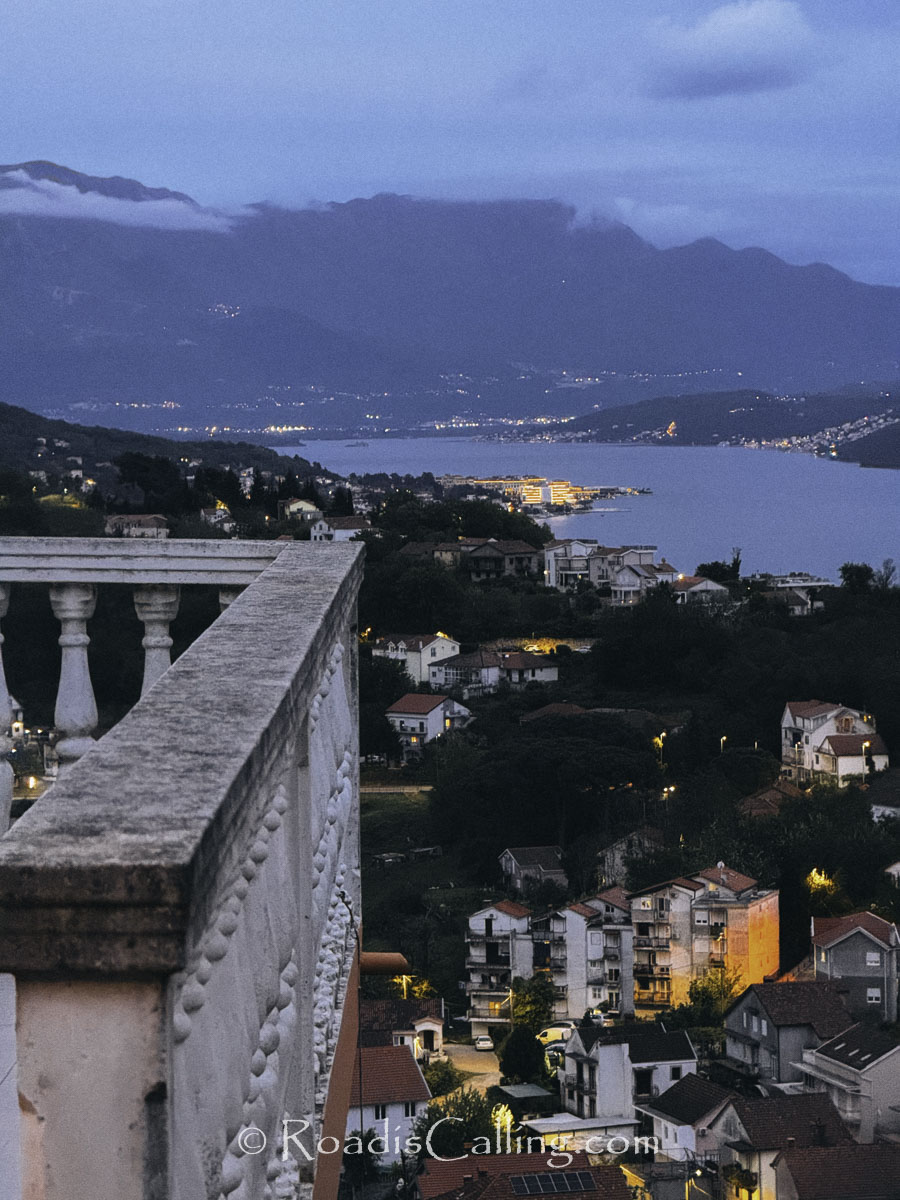
Yes, Kotor is safe but during the high tourist season in summer when many tourists come in (including those from a cruise ship) it is very common to fall victim to pickpockets on the beaches, in shops, and in crowded places.
Therefore, do not take too much money and documents with you for a walk. Better leave them in a room (or on a cruise ship) in a safe.
Also, what is common in Kotor (as well as some other touristy areas like Budva, Becici, Tivat, and at some point even Herceg Novi) is sale of discounted excursion vouchers even from “legitimate” tour agencies in old town or along the waterfront. They may offer tours with big discounts and promises, but these often result in poor service, old buses, mixed-language groups, hidden fees, and unfulfilled promises. Towards the end of the season, some of these companies might not show up at all.
This is why, if you want to go on any tour, like for example to travel to Montenegro mountains or Skadar Lake, or go rafting, better use Getyourguide or Viator to find a tour. Or, if buying on the spot, make sure the price is similar to those prices you find online, not with a triple discount and lots of ‘extra benefits’.
Is Bar & Ulcinj Safe?
Yes, both Bar and Ulcinj are just as safe as other Montenegrin cities along the coast or towns in Kotor Bay.
The only thing which I personally find unpleasant is the number of stray dogs on the streets in both cities and a high number of beggars (and this number for some reason increases in summer).
They are not dangerous as such, more like annoying, and can create fear or high level of discomfort for some people. However, stray dogs can pose a risk. My husband was attacked once by a group of stray dogs late in the evening when he was returning from the grocery store. And I read from time to time in local newsgroups how dogs maul domestic animals here and there (in Bar and Ulcinj provinces).
So also something to keep in mind but not to stress out much about it. Most dogs are not harmful at all.
Is It Safe to Drive a Car in Montenegro?
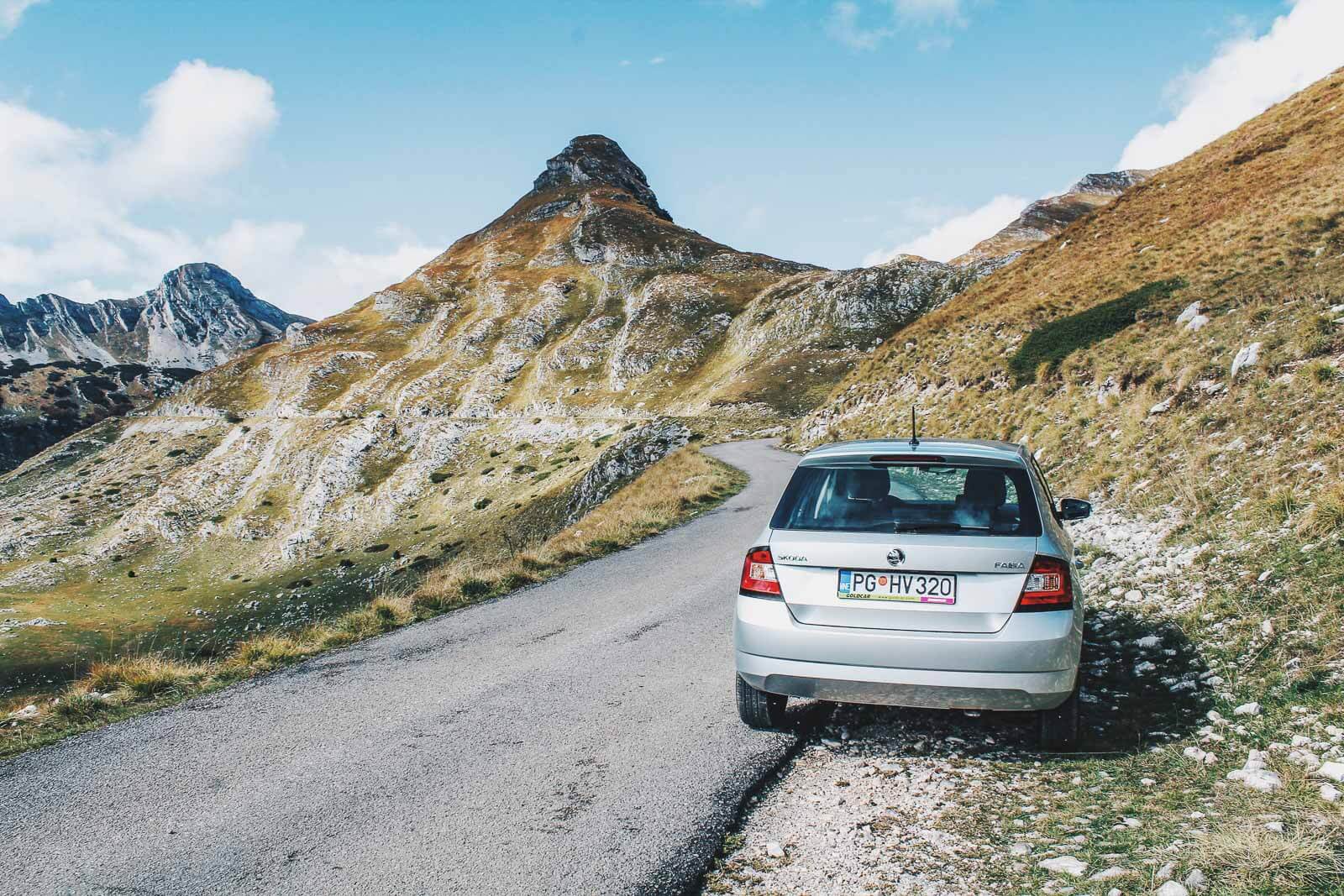
Driving in Montenegro is safe if you are ready to drive defensively and be on alert. The reason I am saying this is because many drivers in Montenegro drive recklessly. And their main problem is about takeover maneuvers in upcoming traffic.
Montenegrin people are very impatient to tailgate others and try to take any opportunity to take over even if it’s not safe to do so (on solid lines or dangerous turns, especially in the mountains).
We’ve been in many situations when we had to slow down or pull to the shoulder to avoid a head-on collision because somebody tried to take over at a bad time.
So you just need to be prepared for that at all times, be it on the way from Kolasin to Durmitor National Park, on Sedlo Pass, or anywhere along the coast between different beach towns.
I do not discourage you from renting a car in Montenegro. Quite the opposite, in my posts about Montenegro road trips and car hire in Montenegro I always say that renting a car in this country opens up fantastic opportunities. But you just need to be very careful when driving.
Is Montenegro Safe for Women Traveling Solo?
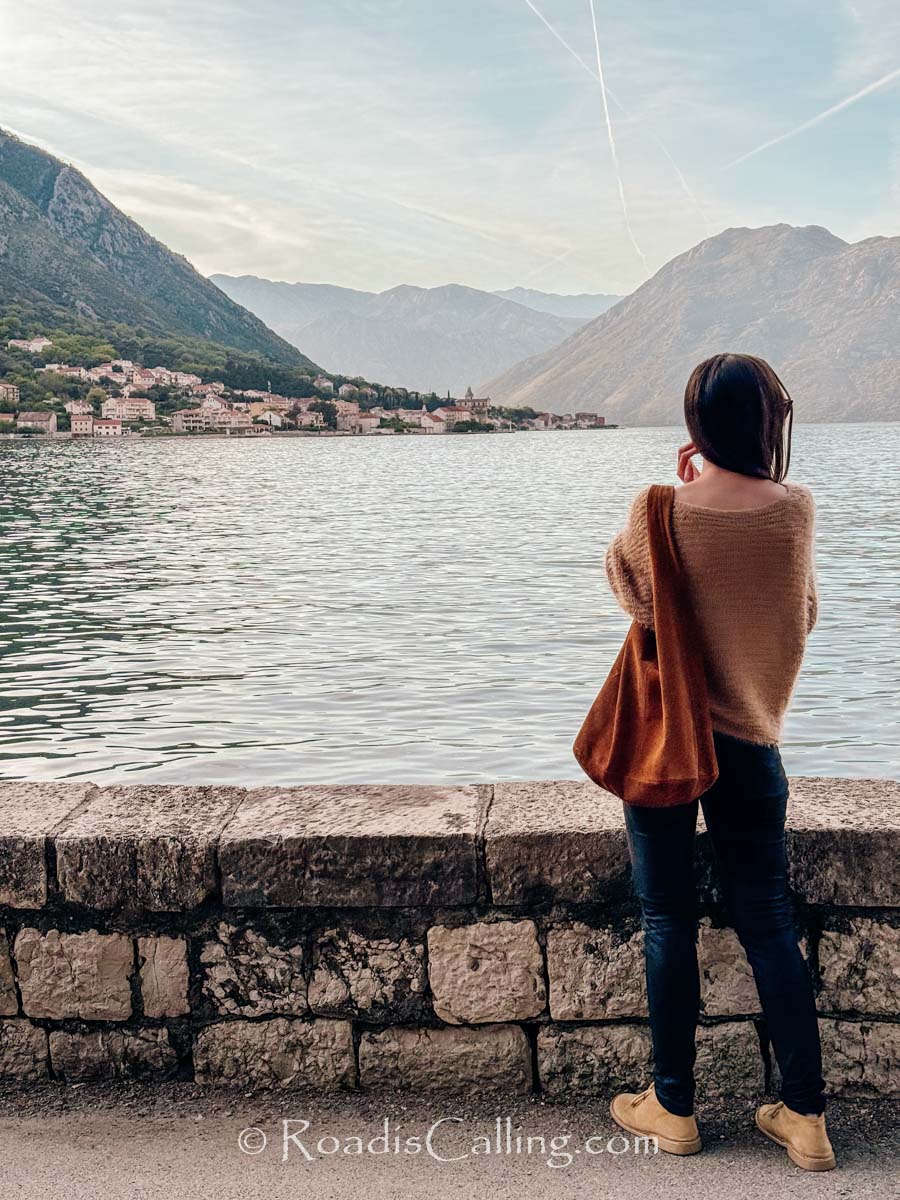
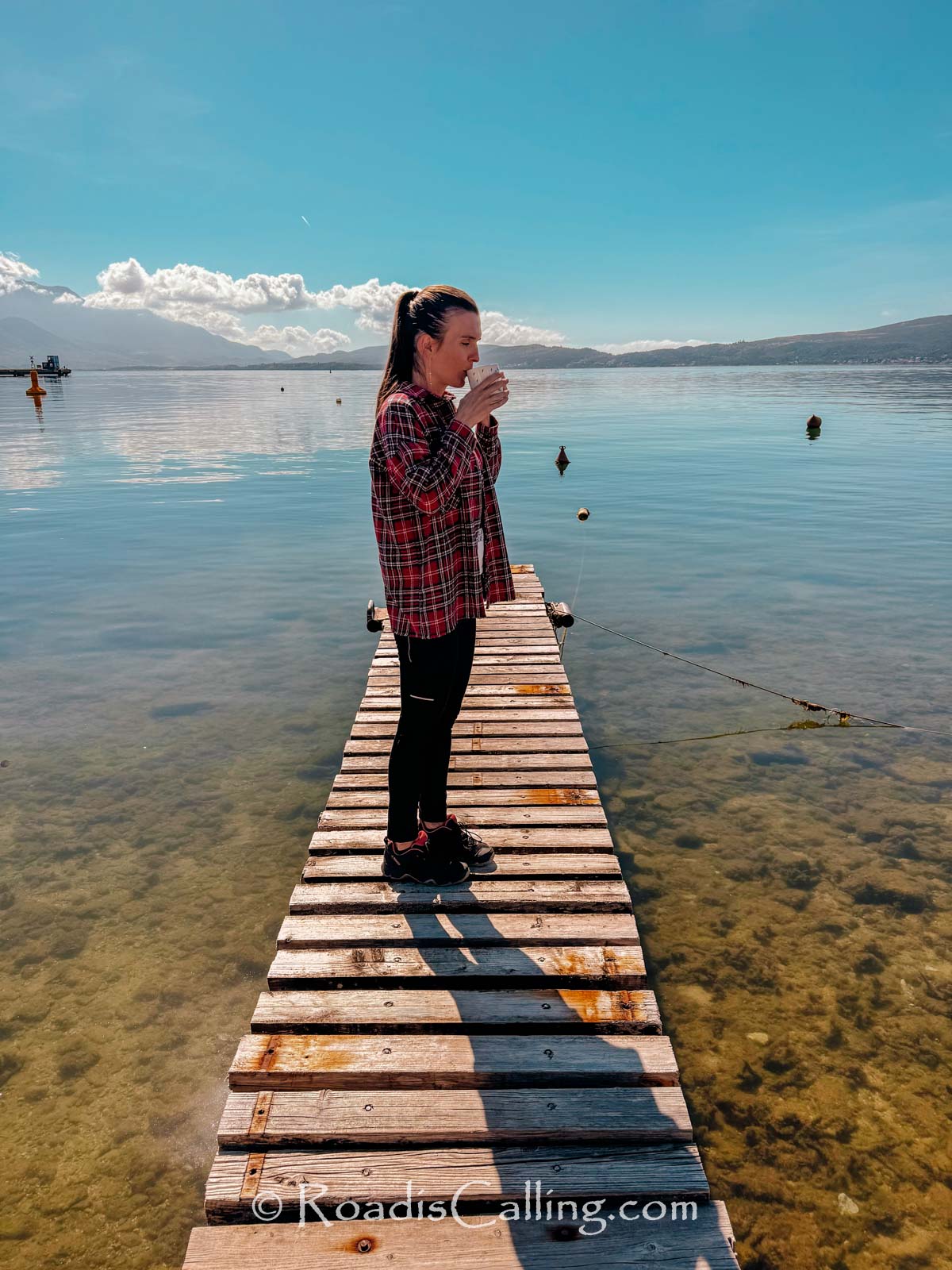
Yes, Montenegro is safe for solo female travelers. There are no specific reasons to be afraid to travel to Montenegro alone.
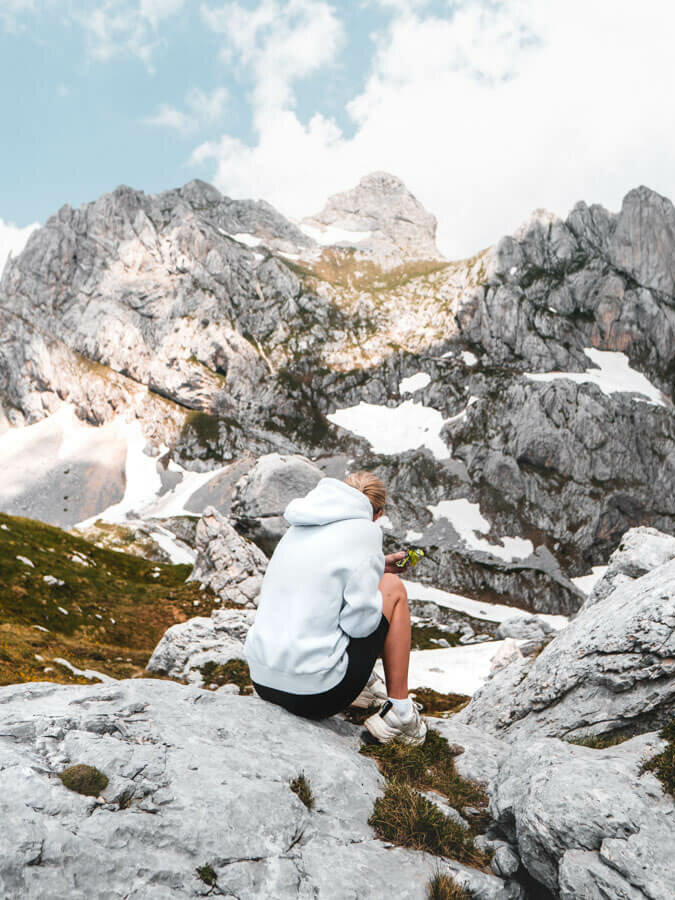
The only thing I’d advise against is hiking in the mountains of Durmitor or Prokletije on your own. These mountains are rugged with many isolated paths and uneven terrain. The weather is always unpredictable and often is the reason why tourists get lost there.
I closely work with tourist centers in Montenegro’s north and regularly hear stories from employees about lost or injured tourists, particularly those who went hiking for a few days on their own and/or ventured off the designated paths.
If you want to go hiking to Bobotov Kuk hike or any other hike I mention in my posts (like hiking in Lovcen or best hikes in Montenegro post), make sure to stay on the trail, do it in good weather, and preferably when other people step on that trail too.
Is Montenegro a Safe Destination for Black Travelers?
Yes, it is very safe as well. First of all, because Montenegrin people are very friendly and welcome travelers of all races and backgrounds. I have never heard of any instances of discrimination or safety concerns towards non-white people.
Additionally, with each year Montenegro is becoming increasingly diverse, with a growing number of tourists from various backgrounds visiting the country, so locals are just used to guests of different origins.
Environmental Hazards in Montenegro – Anything to Worry About?
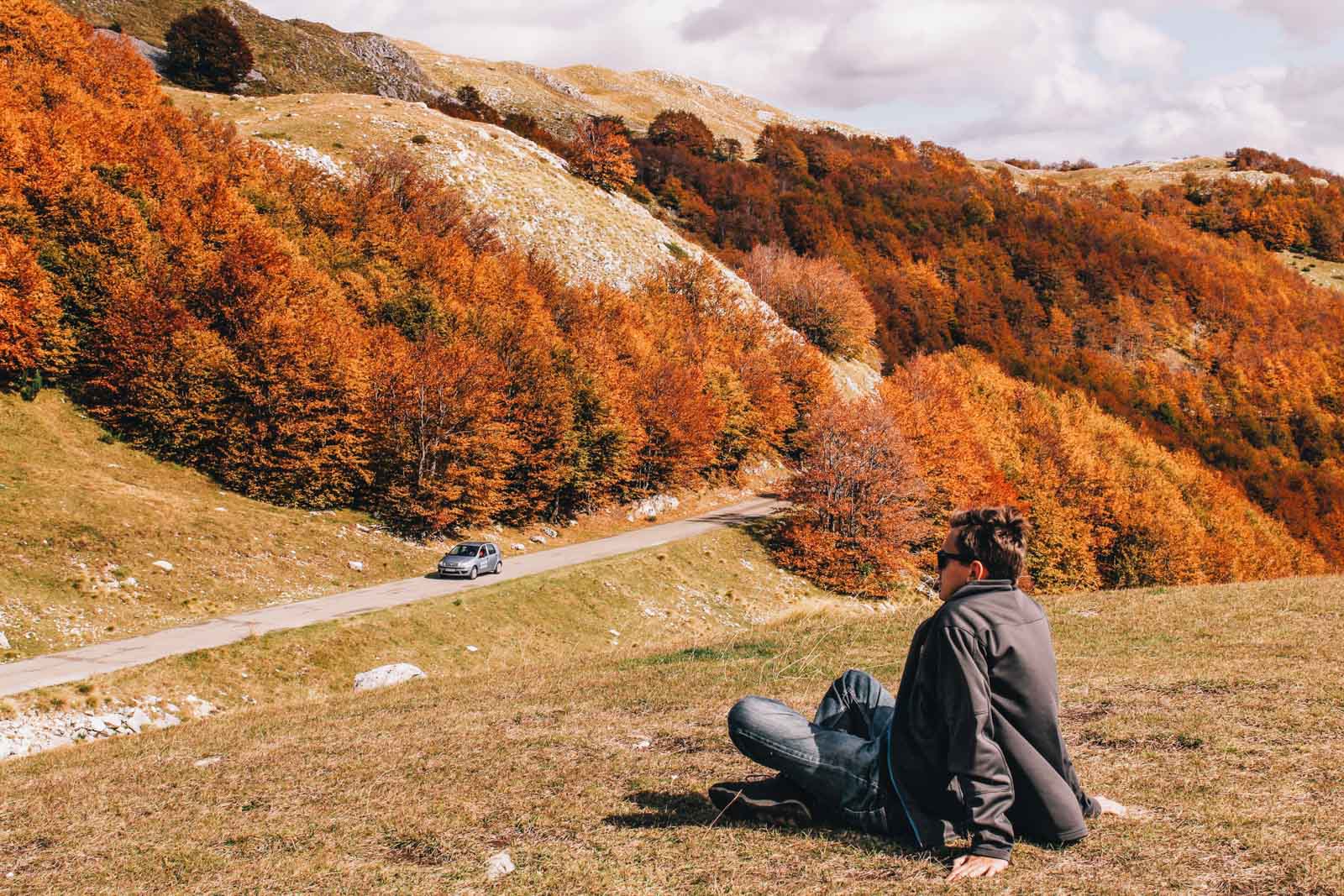
The location and climate of Montenegro imply two things when it comes to safety that all tourists should know about when planning their trip. First of all, fires.
Montenegro is a southern country with hot dry summers. Forest fires are common and happen in the summer, mainly in late July and August. Usually, they occur in remote areas in the mountains but one time a few years ago fires were so strong that they blocked the road from Bar to Ulcinj near the sea.
I am not saying you’ll experience the same on your trip to Montenegro in August but remember this hazard is possible. Fire departments usually keep fires away from the populated areas but they still affect air quality and may block some roads (something to remember if you plan to go on road trips in Montenegro in the second half of summer).
Second thing about environmental hazards is earthquakes. Montenegro is located in a seismically dangerous region. There is a small chance that a strong earthquake will occur. The danger is not too great but the last major earthquake in the country happened in 1979, and it can reoccur.
As for other things, be careful on hiking or walking trails because there is a chance of encountering a poisonous snake. Also, be careful on winding canyon roads. In some places (particularly on the road along Moraca Canyon and along Tara Canyon), falling rocks are commonplace.
Another note – don’t forget about the heat. Getting a heat stroke or sunburn is very real during the summer in Montenegro. July and August are extremely sunny and hot. So don’t forget to bring sunscreen and hat, and drink a lot.
Main Things to Know About Safety in Montenegro For Tourists
As I said earlier, Montenegro is a safe country. But you shouldn’t completely lose your vigilance. As in any destination, there is always a small chance of encountering a scam or having some of your belongings stolen. And such activity not necessarily will come from a local.
This is why here are some travel safety tips to remember when traveling to Montenegro.
Montenegro Travel Safety Tips
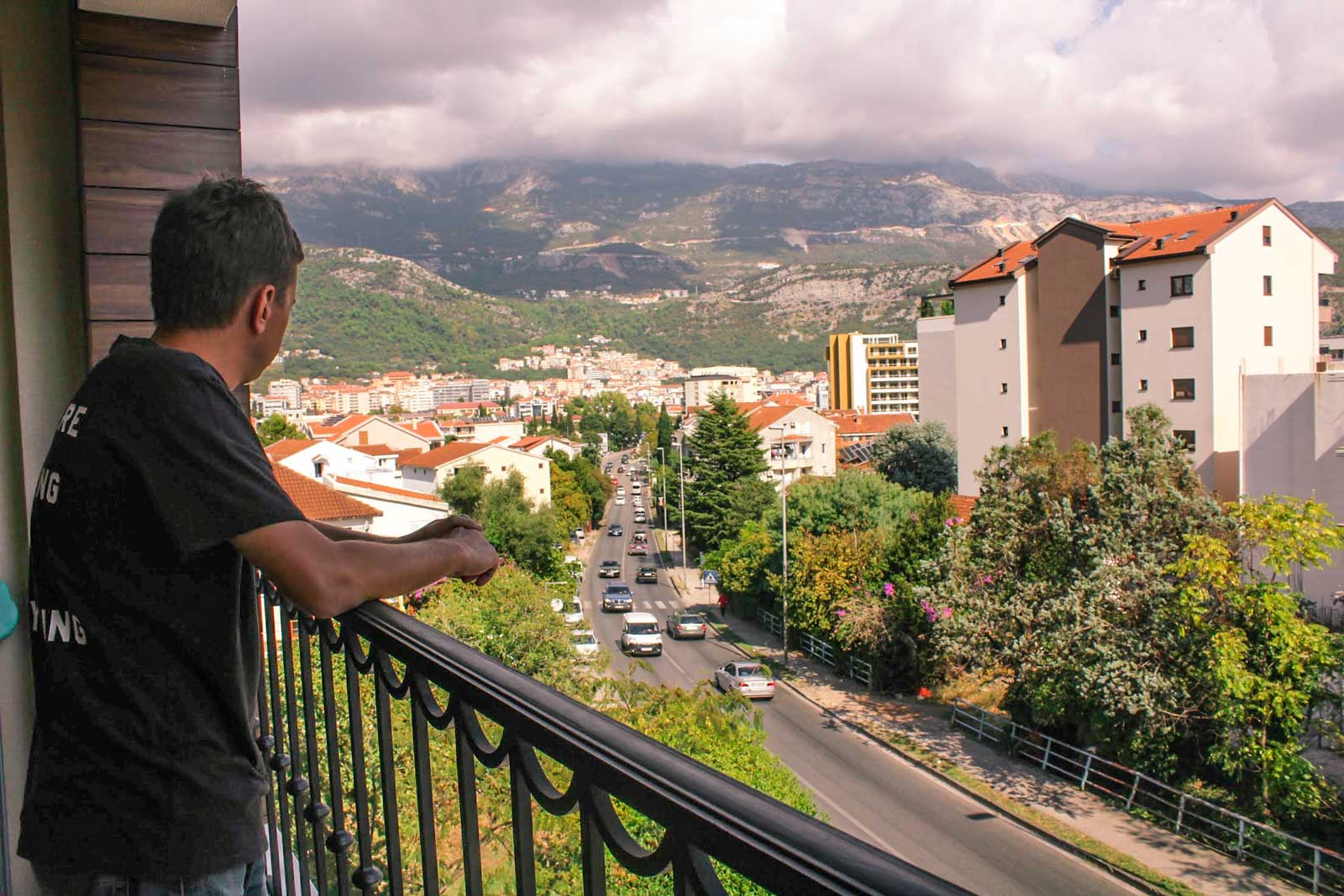
1) The level of crime in Montenegro among locals is very low. In many cities, people don’t lock their cars and often leave their phones and wallets on the beach when going for a swim. In supermarkets, it is common to leave bags and purses in the locker without actually locking the door. Level of trust here is very high.
However, it’s still wise to secure your belongings and keep them close. While you can trust the locals, you never know what kind of visitors might be around.
2) While Montenegro is very safe, it is still smart to lock your apartment when you go to sleep or leave for a long time, especially if you are on the ground floor.
3) When visiting a cafe near a crowded street, do not leave your phone on the table, even if you are sitting there next to it. Also, do not leave your purse just hanging on a chair. It makes it easy for a thief (even children of beggars in some cities) to grab it and run away. In restaurants and cafes where you sit on a veranda or inside away from the road, it is safe to do that.
4) Pickpocketing happens but rarely. In most European capitals, the likelihood of becoming a victim of pickpockets is subjectively higher. Yet, you need to keep an eye on your belongings every time when in touristy places, particularly in Kotor, Budva, Perast, Bar Old Town, or central part of any other city in summer.
5) Whenever needing to get a ride from the airport, discuss the cost of a taxi ride right in the beginning. Better yet, book a transfer in advance. In 90% of cases, arranging a transfer will be much cheaper than a taxi at the airport. From my experience, all (absolutely all) taxi drivers try to scam tourists (anywhere).
6) It is very safe for a young woman to be on her own at night, even on the outskirts of the town. Yet, if you are a woman traveling solo and reading this post, it’s still wise to be mindful of your surroundings at night in Budva, Bar, and Ulcinj.
7) Never buy questionable tours from “companies” that don’t have any website or actual office, business card, or any source where you can get more information about their business.
8) Montenegro is a very safe destination for families with kids and young people. It is family-oriented and Montenegrins adore children. This country also doesn’t have any history of drug trade or kidnapping. People are opposed to drugs and drug substances, although smoking is widespread and considered part of macho culture.
Conclusion – So… How Safe is Montenegro?
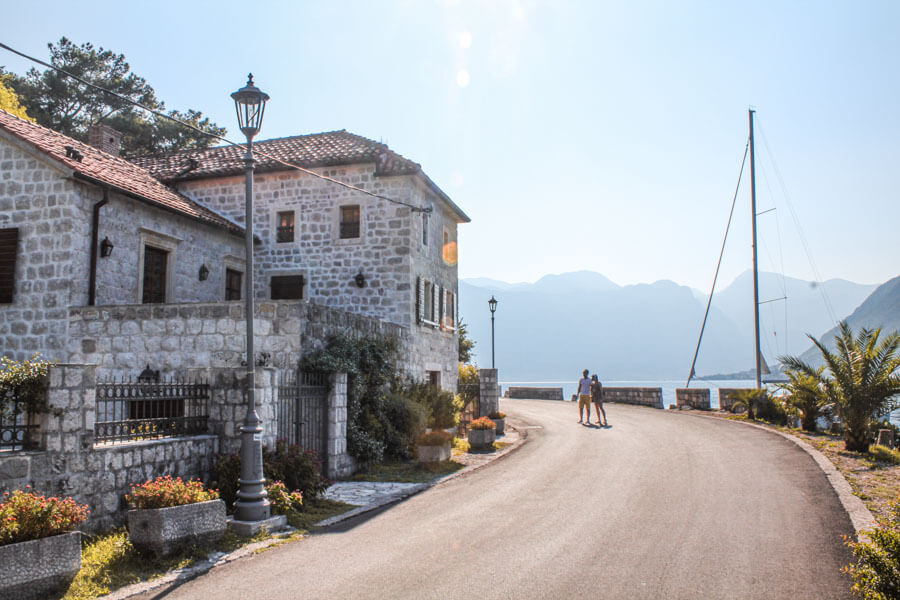
I don’t think there is anything major to worry about when traveling to Montenegro (small things discussed above – yes, but nothing really big). The country is safe for travelers and foreigners who think to live here.
Montenegro is not prone to any natural disasters (besides earthquakes but they rarely happen and those that take place are weak), crime rates are very low and when crime occurs, it doesn’t involve tourists. The only issues to be on the lookout for are scams (about tours), higher prices from locals (on tourist markets some vendors tend to intentionally increase the original price), stray dogs in some cities, and sea urchins on some beaches.
If you rely on data from Numbeo, you can also see their statistics and find out that Montenegro has quite a high rating, showing the maximum value of the safety index and ahead of Italy, United States, or France for example. However, it’s a bit behind Croatia.
To this day locals still don’t lock doors in their houses, leave keys in ignitions, and let their children play in the streets without supervision. Young women freely walk on the streets at night not being worried about anything.
The level of crime among the indigenous population is very small. Montenegro government and law enforcement agencies are doing everything to ensure comfort and tranquility for tourists.
The philosophy of the Montenegrins lies in the “polako”. It means a leisurely lifestyle that includes an appreciation of the moment and not being in a hurry, very similar in some way to lifestyle I experience in Spain. Montenegro’s population enjoys living slowly and peacefully.
So don’t worry and have a nice trip!
More Resources For Montenegro Travel
For more tips and travel resources for Montenegro, check some of my other posts:
- Foods of Montenegro – traditional dishes you didn’t know about but have to try!
- Best Things to Do in Kotor – what to do, where to go, and what to know before the trip
- Autumn in Montenegro – why it is the best season to go
- Visiting Montenegro in Winter – how to have the best time
- Guide to Beaches in Budva – which one is best for you and where to stay
- 11 Must-Take Day Trips From Kotor – how to get the most of your time
- Where to Stay in Montenegro – guide to all resort cities & accommodation
- Visiting Lovcen National Park – hiking and tips for a great adventure
- Hidden Places in Montenegro – go off the beaten path!
Don’t forget to pin to spread the message!