Summer in Europe doesn’t always mean heatwaves, 40°C days (although they are quite common these days), and hiding in the shade. Over the years, I’ve discovered that there are actually quite a few cold places to visit in summer where July and August are refreshingly cool — sometimes even jacket weather.
And I’m not talking about spots I’ve googled or heard about from others. Every destination in this list is somewhere I’ve personally visited, walked around in, or often returned to. So this is why I know where in Europe is not too hot in summer, particularly in July and August.
I first wrote this guide after exploring some of my favorite cooler summer holiday destinations in Europe. Since then, I’ve lived in another two (that are also among affordable countries to live in Europe) and visited a couple of cold places in between (where it rarely gets above 22°C in July and August), and sharing them all below.
They are perfect if you want to escape the heat, hike without melting, or enjoy long daylight hours in comfort.
So… here’s my updated list — all from my own travels. If you’re looking for somewhere to breathe fresh air, sleep comfortably at night, and actually enjoy being outdoors in July and August, these are the spots worth adding to your list.
Some of the links below are affiliate links, which means I may earn a commission if you decide to make a purchase – at no extra cost to you. This helps support my site and keeps content free. Learn more here.
Unique experiences & stays in Europe in summer worth planning a trip around
- “Arctic Saga” Expedition – one-off boat crossing of multiple Arctic islands, jaw-dropping, below-20°C horizons.
- Iceland Ring Road, 4–7-day small-group – sweep around the island with cooler temps, huge variety, zero planning stress.
- Iceland South Coast, 3-Day Glaciers & Black-Sand Beaches – multi-day loop with optional ice-cave/walk und dramatic scenery without the heat.
- 3-Day Lewis & Outer Hebrides Tour – remote island circuit: rugged coastlines, Gaelic-speaking villages, and empty beaches. Perfect for a dramatic retreat.
- Scotland Highlands & Jacobite Steam Train – riding the “Hogwarts Express” through the Highlands within 2 days – cool summer air, waterfalls, and historic tales.
Other things you may need:
- E-Visa – check if you need a visa before traveling to Europe
- Health & Travel Insurance – particularly good for covering unexpected trip issues
- Car rental in Europe – best car hire in Europe with the cheapest insurance rates & lots of deals
- Europe eSim – sim card for the phone to stay connected on a trip & have Internet access
- Best of Europe – a great book to spike your interest before your trip!
Cold Places to Visit in Summer in Europe for Nature Lovers
Northern Montenegro

I’ve spent many summers and winters in Montenegro, living in different parts of the country, including those by the coast and in different mountainous regions. I also explored all the main cities together with smaller towns around the Kotor Bay.
And one thing that surprises me to this day is just how different the north feels compared to the south.
By the coast, especially around Kotor or Budva, July and August can hit over 40°C — the kind of heat where you move from shade to shade. But head north, if you know where to go, and suddenly it’s 21–22°C, even at the height of summer.
Durmitor National Park (especially the area around scenic Sedlo Pass road) and Prokletije National Park are the best-known areas for escaping the heat, with towns like Žabljak and Kolašin as easy bases. The air here is cooler and even in mid-June you can still see snow on some peaks.


I’ve hiked trails here that lead to glacial lakes, panoramic viewpoints, and quiet alpine meadows, and the weather makes it all easier — no heavy heat, no humidity. Even the Tara River Canyon, the second-deepest in the world (which is quite crowded in summer), feels fresh. You can raft there or just stay in a local-style chalet with cool evenings and mornings.
I’ve written a lot about Montenegro, from full itineraries (like this 5-day itinerary starting from Podgorica to a more intense one when you have 7 days from Herceg Novi) to specific hikes and park guides (like Bobotov Kuk hike in detail for example or lesser-known places in Montenegro that are beautiful in any season).
Do You Want to Know More Information About Montenegro?
Then here is where to start:
- Is Montenegro a Good Country? – Find Out If It Will Be a Good Destination for You
- Is Montenegro Safe? – My Honest Answers
- Where to Stay in Montenegro – Guide to All the Best Places Where to Stay
- One Week Montenegro Itinerary – Great for First-Time Visitors
- Lovcen National Park Guide – Another Place for Cooler Weather in Summer
- Montenegro in Autumn – Why It’s an Incredible Time to Visit
- Kotor Bay Travel Guide – One of the Most Beautiful Areas Among the Fjords
- Renting a Car in Montenegro – My Own Tips for Car Hire & Good Prices
You can find all my Montenegro posts here if you want to plan a trip. But if you’re in the country in July or August, remember: the mountains aren’t just beautiful, they’re a complete escape from the coastal heat.
Low & High Tatras in Slovakia
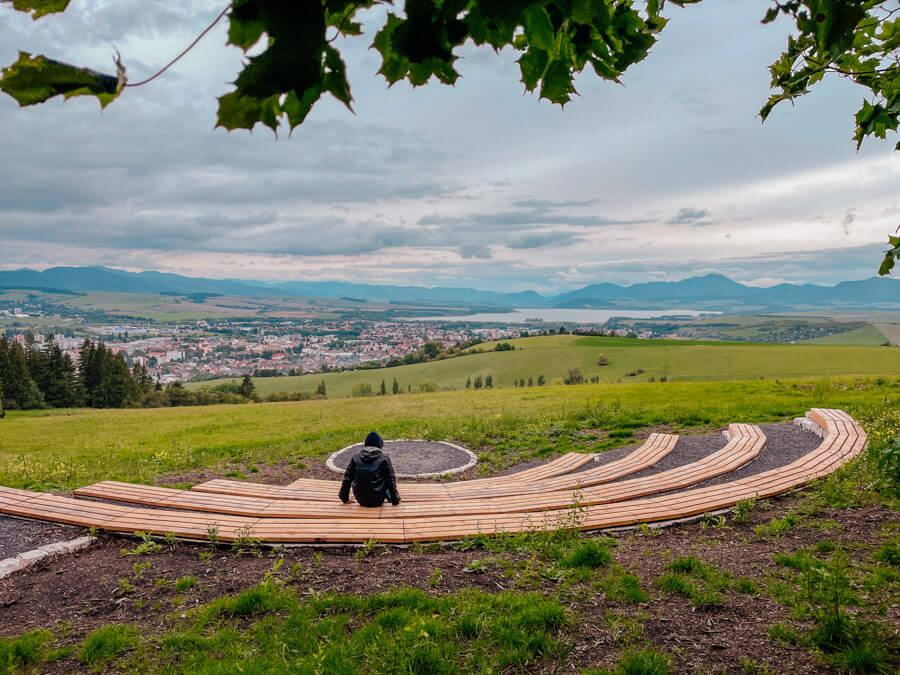
One of my absolute favorite cold places to visit in summer is the Low and High Tatras, a mountainous region located in northern Slovakia.
Along the range, there are many beautiful towns (just one example is Liptovsky Mikulas where I spent a few months) built at the foot of the mountains. They are perfect for relaxing vacations with many hiking days.
Due to their higher altitude and mountainous terrain, the Tatras experience cooler temperatures in summer compared to the surrounding lowlands. This is why they offer real relief from the summer heat.
And since the region is rich in hot springs, there are many waterparks and wellness aquatic centers with healing waters where it is possible to refresh.
What I also love about this destination is that large cities are nearby (Bratislava, Vienna, Krakow, and Budapest are only a short drive away). So you can make this summer trip a combination of a Europe city break with a nature escape.
It’s worth noting that weather conditions in Tatras can vary, and even in summer, you need to have warmer clothes for cooler temperatures, especially if you plan to go hiking. Additionally, the Tatras are a protected area, so please respect the natural environment and follow designated trails and guidelines to preserve the beauty of this unique mountain range.
Bernese Oberland in Switzerland
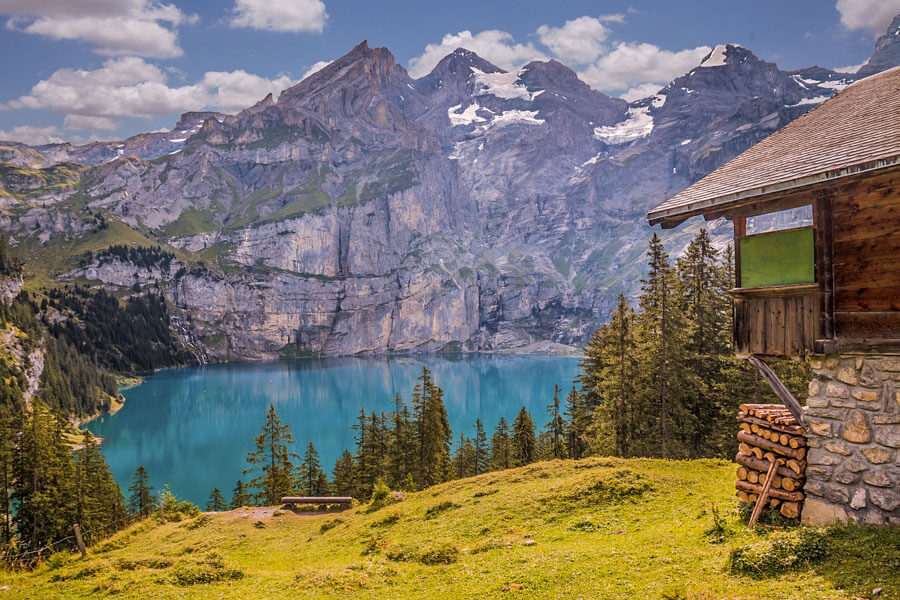
Bernese Oberland is not only one of the most beautiful regions in Switzerland but also one of the best places to go in Europe in July and August where it is not too hot.
This region is located in central Switzerland and is famous for the Bernese Alps and Jungfrau area, which is also known as the ‘Top of Europe’ because of the highest railway station in Europe, situated at an altitude of 3,454 meters above sea level.
It is also home to the Aletsch Glacier, the largest glacier in the Alps, which creates a cooling effect and refreshing mountain breezes that can bring relief from hot temperatures.
In summer Bernese Oberland is quite cool and on higher elevations (which dominate) it’s even cold. In fact, some days can be pretty windy, so you may need to have a light jacket like this long sleeve zip-up hoodie or even a raincoat when it rains.
This area of Switzerland is large and offers a considerable number of things to do. It is perfect for people who love hiking and just visiting places for nature. There are many trails that lead to glacier-fed lakes where the water remains cool, even during the summer, creating a pleasant climate near their shores.
But besides nature, you’ll find lovely alpine villages in the Bernese Oberland as well. They are shaded by the surrounding mountains, keeping the temperatures lower and providing a more comfortable environment.
>> Read my full guide to Bernese Oberland to see what it is all about!
Chamonix, France
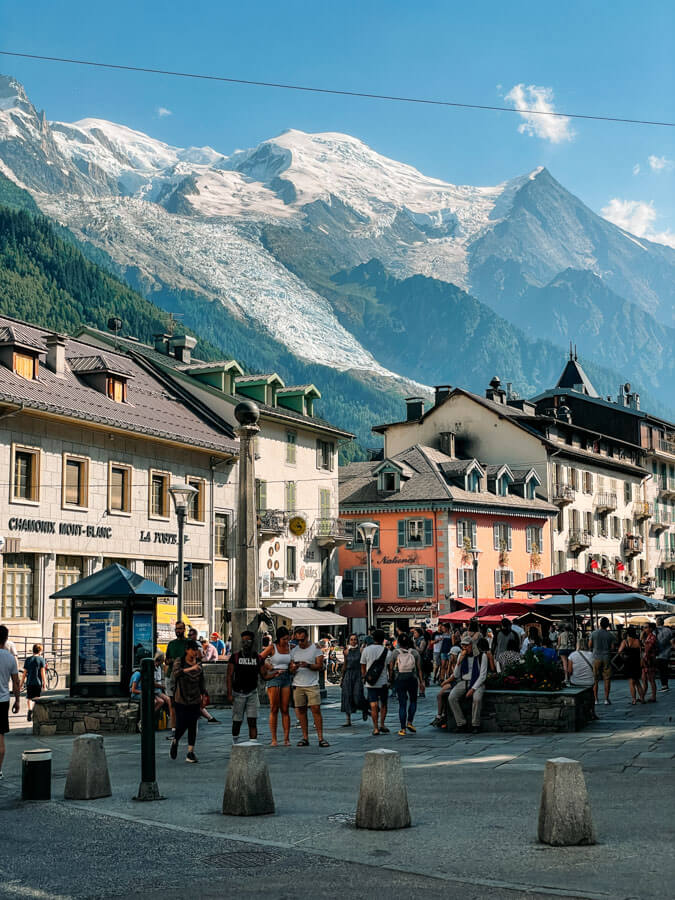
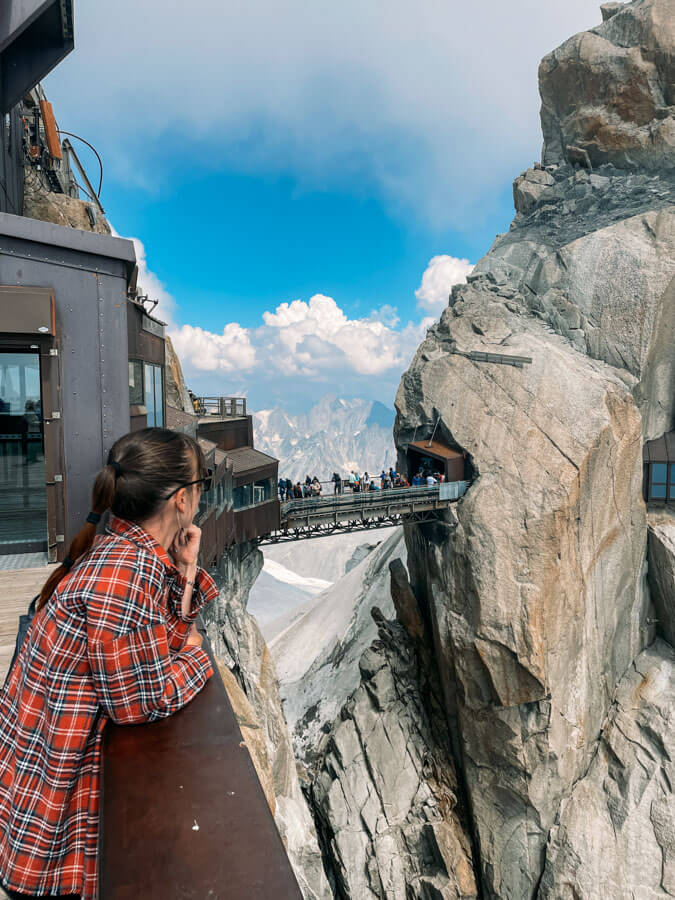
I was in Chamonix at the end of July and beginning of August, and it was nothing like the heavy summer heat you find in much of Europe. The area sits at 1,035 metres at the foot of Mont Blanc, surrounded by high peaks and glaciers, and you can actually feel their cooling effect. Even on sunny afternoons, a fresh breeze comes down from the mountains and keeps the air crisp.
This isn’t just something I noticed on my trip — Chamonix’s summer climate is consistently mild because of its altitude and proximity to the glaciers. In July and August, daytime temperatures are usually in the 20–25°C range, and it’s rare to see anything above 27°C. Evenings drop quickly, however, so a cover-up is essential if you are outside after sunset.
It’s perfect weather for being active. You can spend the day hiking, relaxing in the spa, taking one of the highest cable cars in Europe, or just sitting in the town centre with a coffee and that view of Mont Blanc. The air is always fresh here and the heat never chases you indoors.
If you have more time, you can easily add a side trip to Lake Geneva and its small towns like Vevey, Lausanne, or Nyon, for example (where I spent almost a month in summer too which also was pretty cool), but Chamonix itself is one of the easiest places in Europe to enjoy summer outdoors without overheating.
The only thing to know — it is not the cheapest place to travel in Europe. So if you are exploring the world on a budget, you’d need to plan the financial part carefully.
Cornwall, South West England
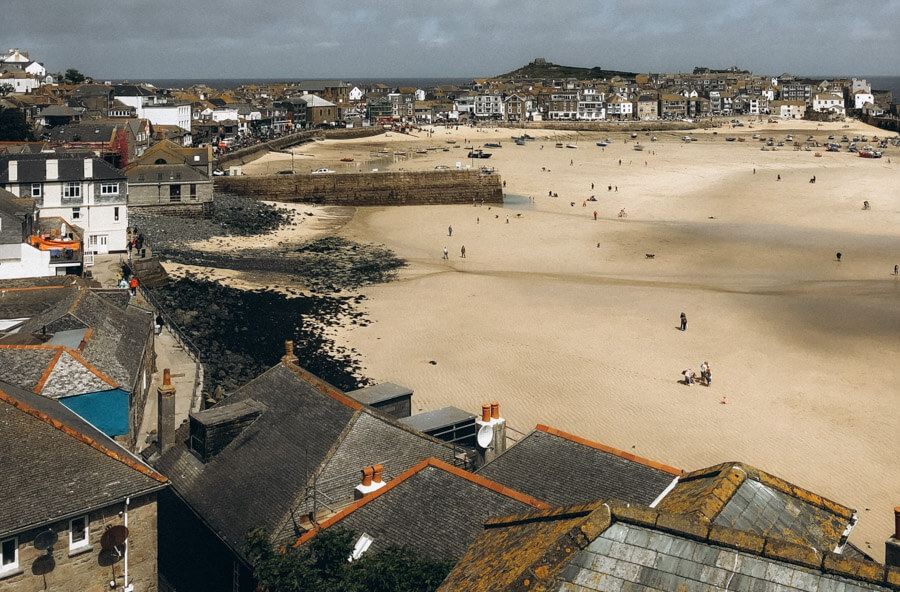
While the UK is often criticized for its lack of sun and warmth (although, as some of my acquaintances say who live there long term, they do get nice weather as well as rain!), in the summer, the lower temperatures can be a blessing.
There is plenty of sunshine from May to September, but generally, the temperatures stay a lot lower than in countries in mainland Europe.
There were a couple of severe heatwaves in most of the UK throughout the last few summers, but in South West England the temperature stayed lower, usually at a maximum of around 25°C.
This means that you can comfortably check out all of the best attractions in Cornwall without struggling too much with sweltering temperatures.
Go beach hopping, hike on the coastline, enjoy camping, visit historic mines, or just attend cultural events – I love the weekly singing at the Cadgwith Cove Inn on the Lizard Peninsula.
Coldest Cities in Europe in Summer (Even in July & August)
Tallinn & Coastal Estonia – Coldest City in Europe in July & August
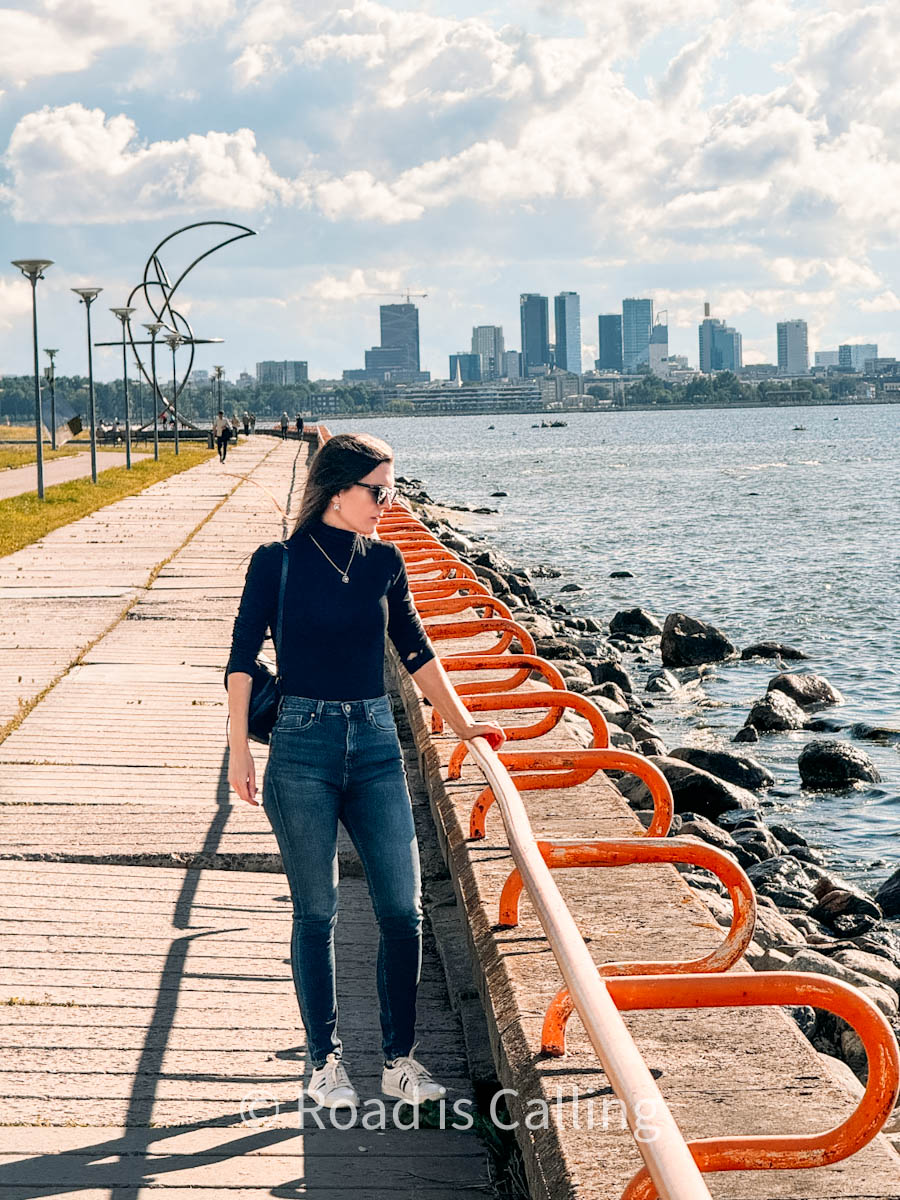
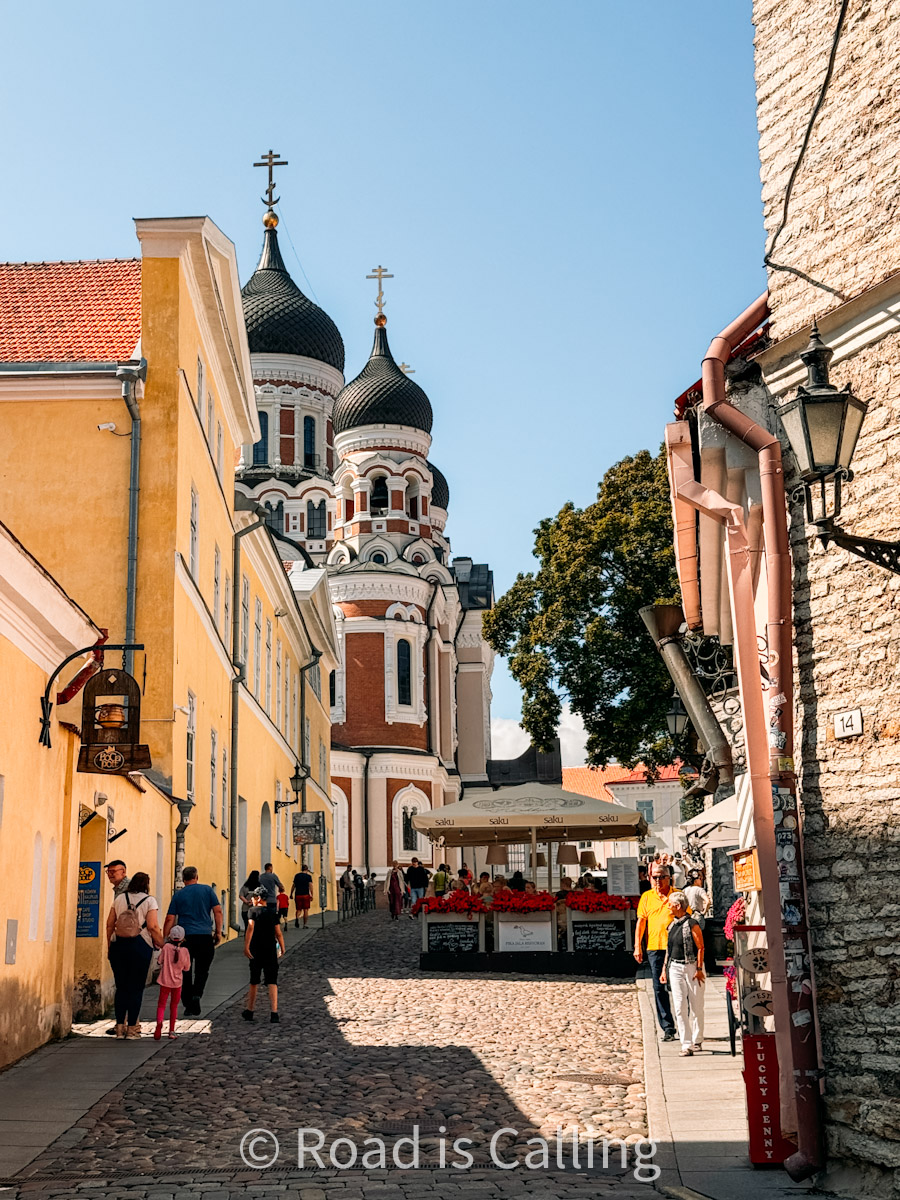
This is my second summer living in Tallinn and honestly, I am absolutely shocked by how cold it is (yes, because I expected it to be at least a bit warmer). It is one of the few capitals in Europe that stays properly cool throughout the whole season.
During most of July and August temperature here is around 21–22°C, sometimes for a week (usually in the second part of July) it jumps to 25–27°C but even then it doesn’t feel very hot because of the constant breeze (and if it does, it is still nowhere as hot as in other countries and lasts literally only a few days). For some reason, Tallinn even stays cooler than Helsinki, Riga, or Stockholm.
Even on days when temperature goes up, it feels warm when the sun is out. But as soon as you step into the shade or evening comes, you need a long-sleeve or light jacket.
After spending a whole summer here (especially after the long, cold winter), it can actually get a bit tiring that it’s always so cool. Even now, while updating this post, in the second week of August, it already feels like autumn with that cold edge in the air. We have temperatures now during the day fluctuating between 19-21°C and at night 12-13°C.
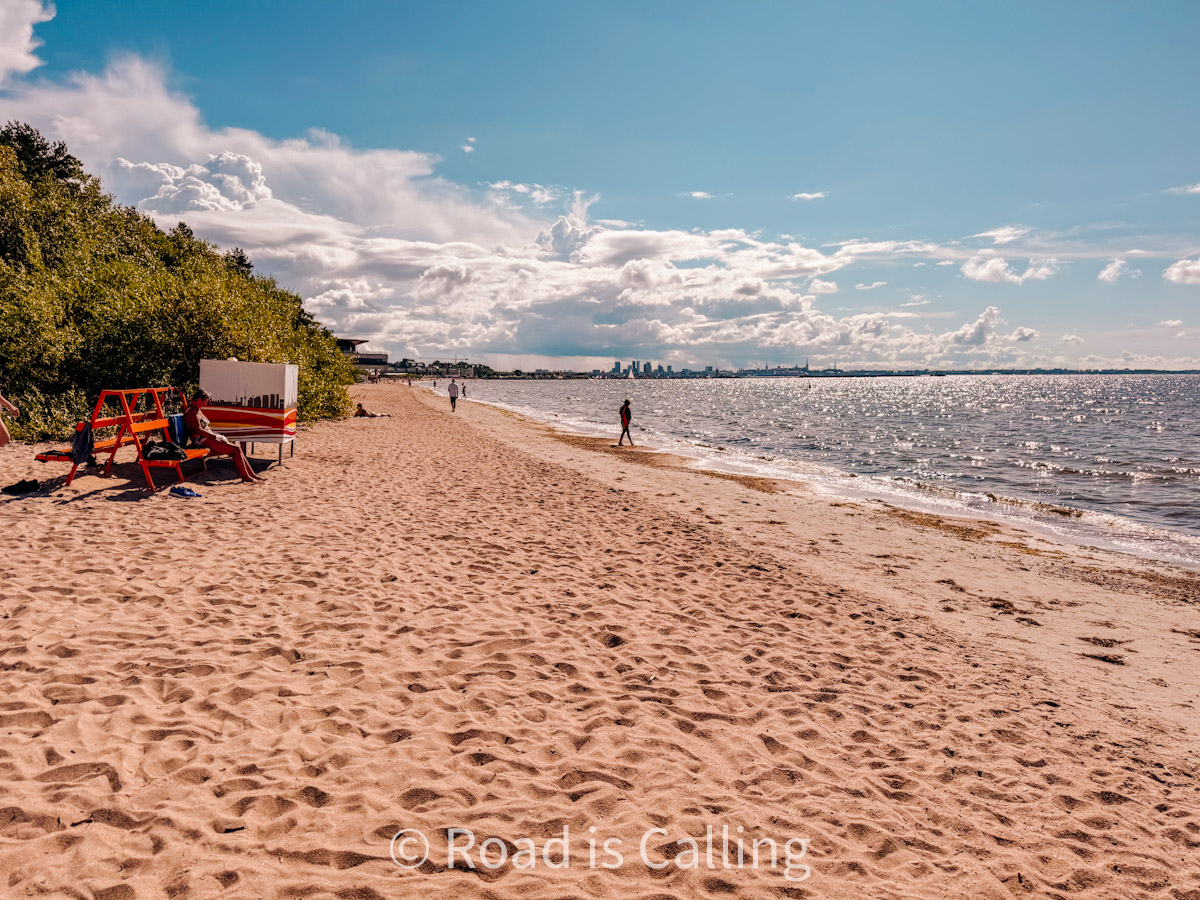
So if you are thinking of hiding in the coldest place in Europe in summer, Tallinn is definitely the right choice. Although not only Tallinn, but also a bigger part of Estonia, especially by the coast near Pärnu or one of the islands like Hiiumaa.
I’ve already written posts about Estonia and Tallinn, and will be adding many more since I’m based here part of the year now. I love exploring it in detail and sharing everything, so you can subscribe to my newsletter to know when new posts are on the blog or just bookmark my site and come back later.
A few posts about Tallinn to make planning easier:
- 3 days in Tallinn itinerary – unique way to explore this city
- Best cinnamon buns in Tallinn – my favorite places to try sticky rolls
- Breakfast in Tallinn – my top picks for the first meal of the day
Tromsø & Arctic Islands (Sommarøy & Kvaløya) – Cold Even in the Middle of Summer
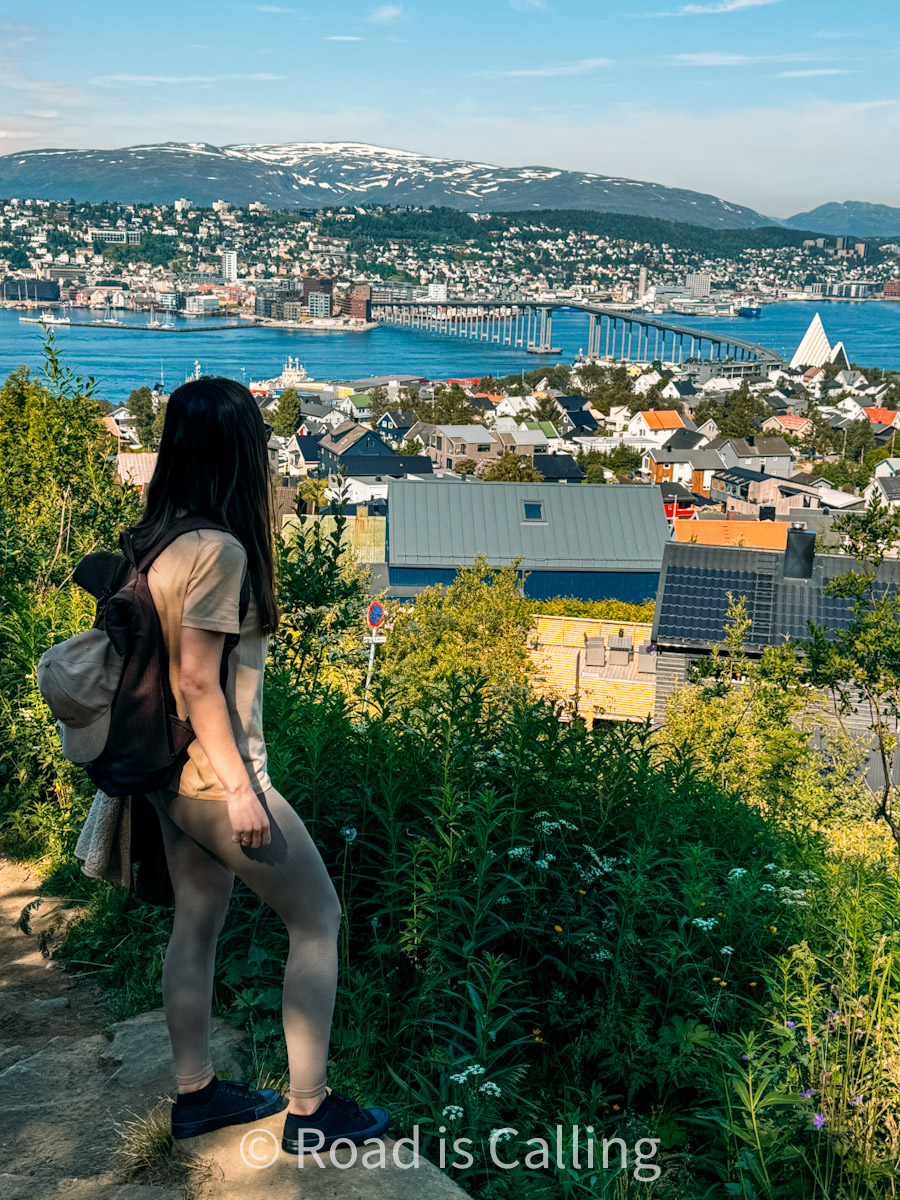
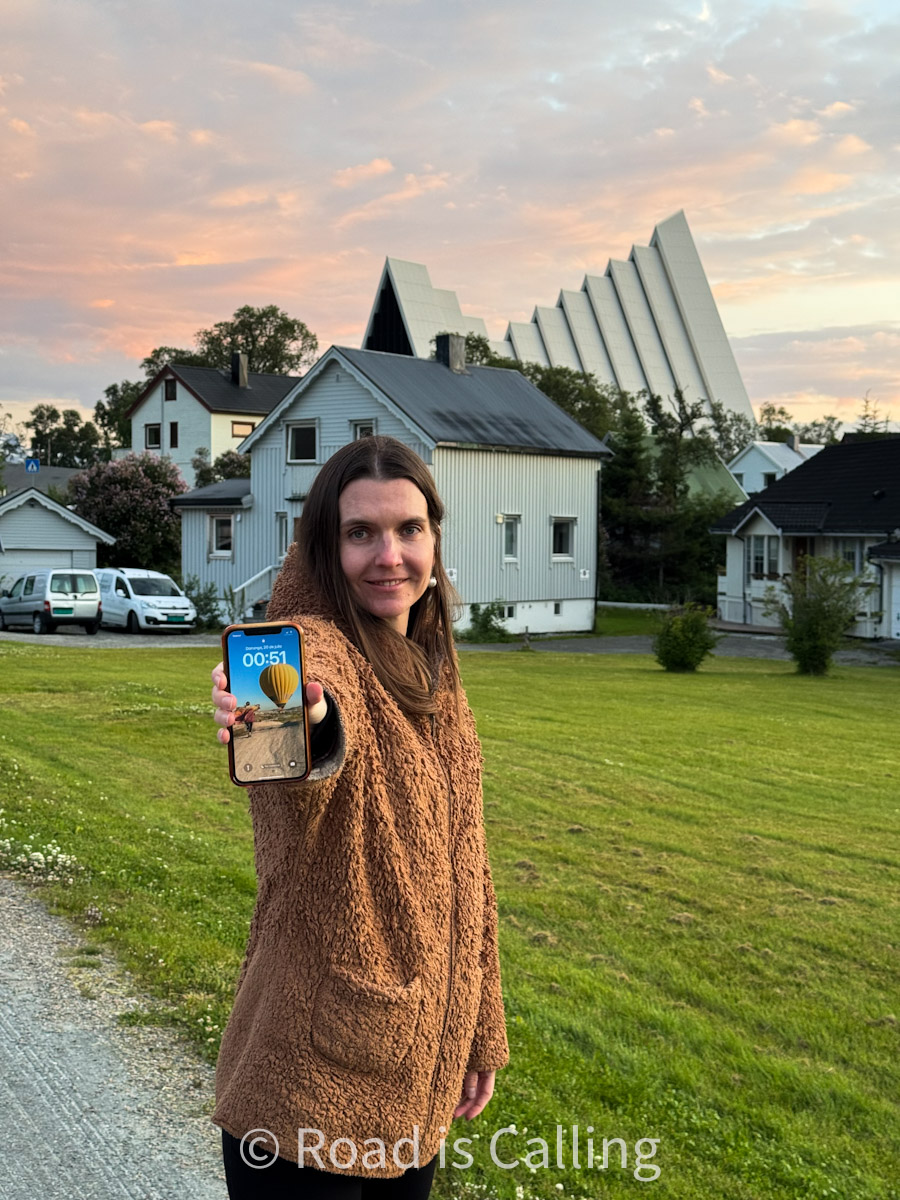
Summer in Tromsø is just wonderful for people who love cold. Even in June and early July, it often stays under 20°C. In July there are days when it goes up to 22–23°C, but there’s usually a cold wind, so even when the sun is bright during the midnight sun season, you still keep a long-sleeve or light jacket close.
I’ve had days where I was fine in a t-shirt in the sun for a couple of hours, but then the shade or wind made all the difference, because they instantly brought cold. Evenings especially have that sharp chill, despite it never getting dark.
The surrounding islands make the area even more special. Kvaløya, for example, has dramatic peaks, deep fjords, and small fishing villages that feel almost untouched. Sommarøy looks completely different — white sandy beaches, turquoise water, and a light that makes it look like you’re somewhere tropical… until you try to go into the water and remember you’re far above the Arctic Circle (just like me here in this reel).
Testing the waters of the Arctic Sea near Tromso in mid-July:
In my experience, Tromso offers one of the best summer seasons in Europe — not only because of the temperature but because it is not touristy at all (who would have thought), the costs of the trip here are much lower than in winter, and there is so much to do for people who love nature (although you’ll find a few interesting museums as well).
If you plan to travel around Norway, it can be a nice escape to cool weather in July and August. Follow my tips on renting a car (if you plan to hire it), use my road trip and itinerary guides, and enjoy your cold vacation in summer!
👉 Nearby idea: If you are already in the northern part of Norway, it’s easy to cross into Finnish Lapland. It’s just as cool in summer and one of the most budget-friendly Arctic destinations. [Read more about visiting Lapland on a budget in my other guide.]
Bergen, Norway
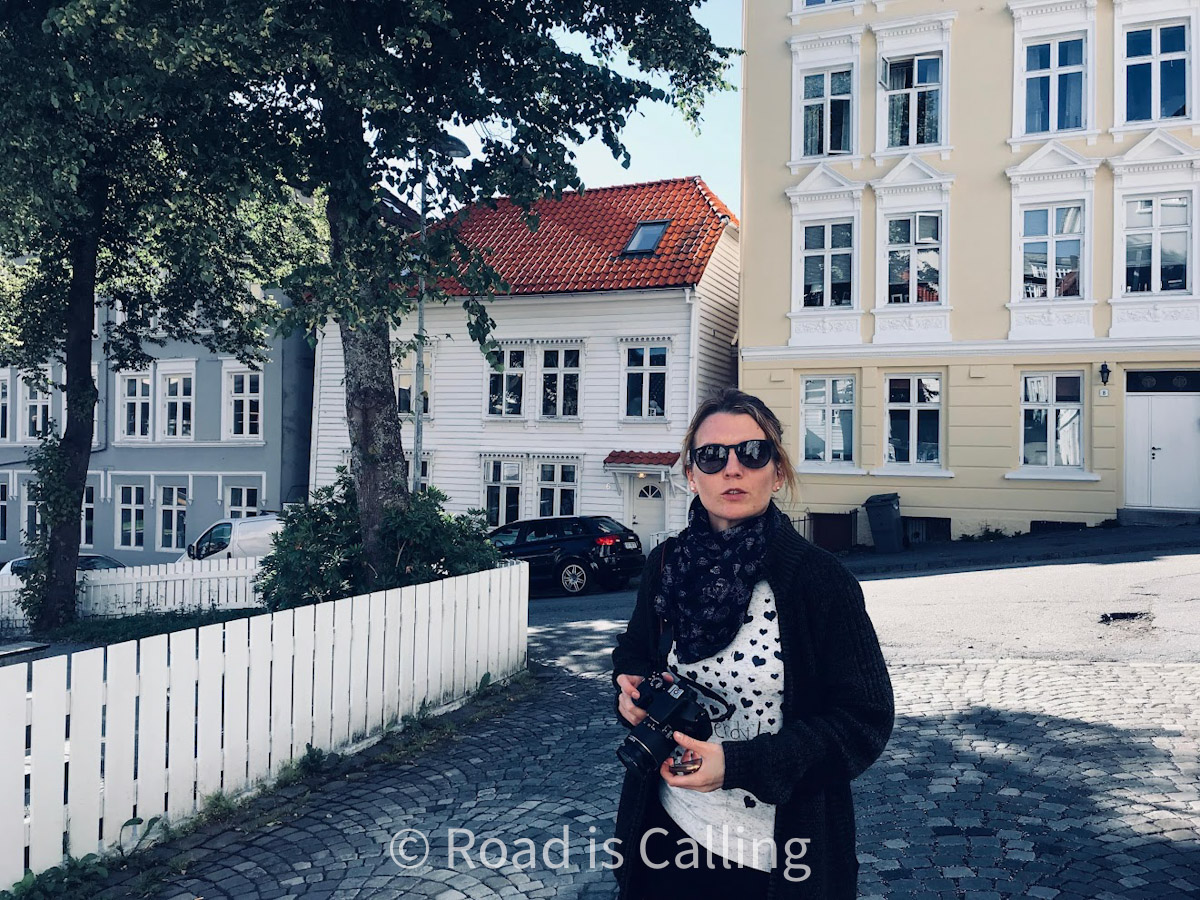

I have been to Bergen in summer already a few times, and on each of my trips the thermometer never went higher than 19°C (although there are enough days when the thermometer shows 23-25°C. In Bergen, you just never know when that’s going to happen, which is a good thing for people who can’t stand heat).
But even then, on warmer days, you get those fresh sea smells everywhere because Bergen is surrounded by water and receives a light breeze from the Norwegian Sea.
It can also drizzle on and off in this area in summer (as it is very common here), but that’s part of Bergen’s beauty — the pastel wooden houses along Bryggen look even more photogenic with wet cobblestones.
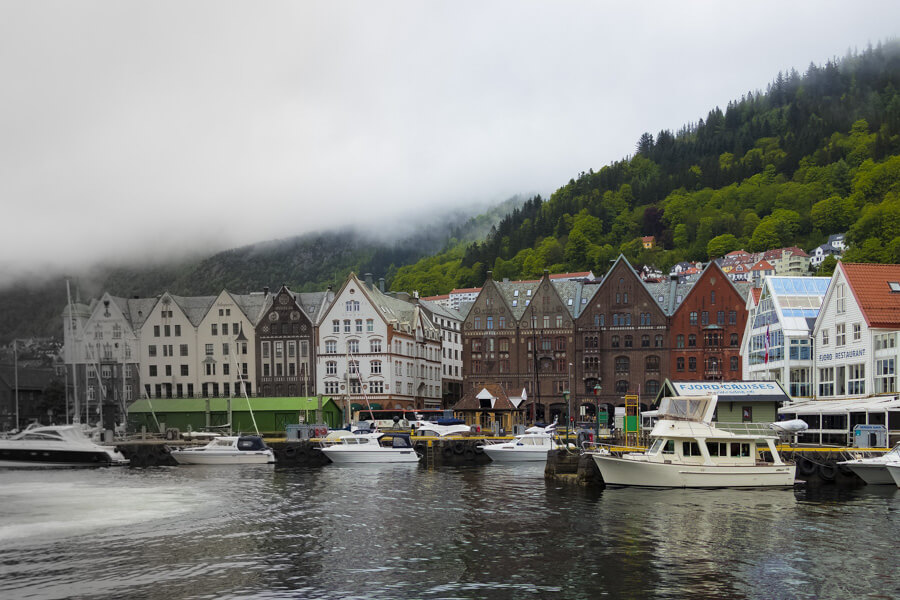
The cool, somewhat damp air on many days makes it easy to explore all day without overheating. You can ride the Fløibanen funicular for sweeping views, wander the city’s botanical garden, or go hiking (there are many hikes in the area) without feeling rushed by heat.
One of my favorite days was taking a short fjord cruise to Modalen (although you can visit on your own by car as well) or Ulvik, which is a true gem hidden between the fjords.
If you plan to go, start with my mini guide to Bergen for first-time visitors, it includes some unique things to do.
Gdansk, Poland
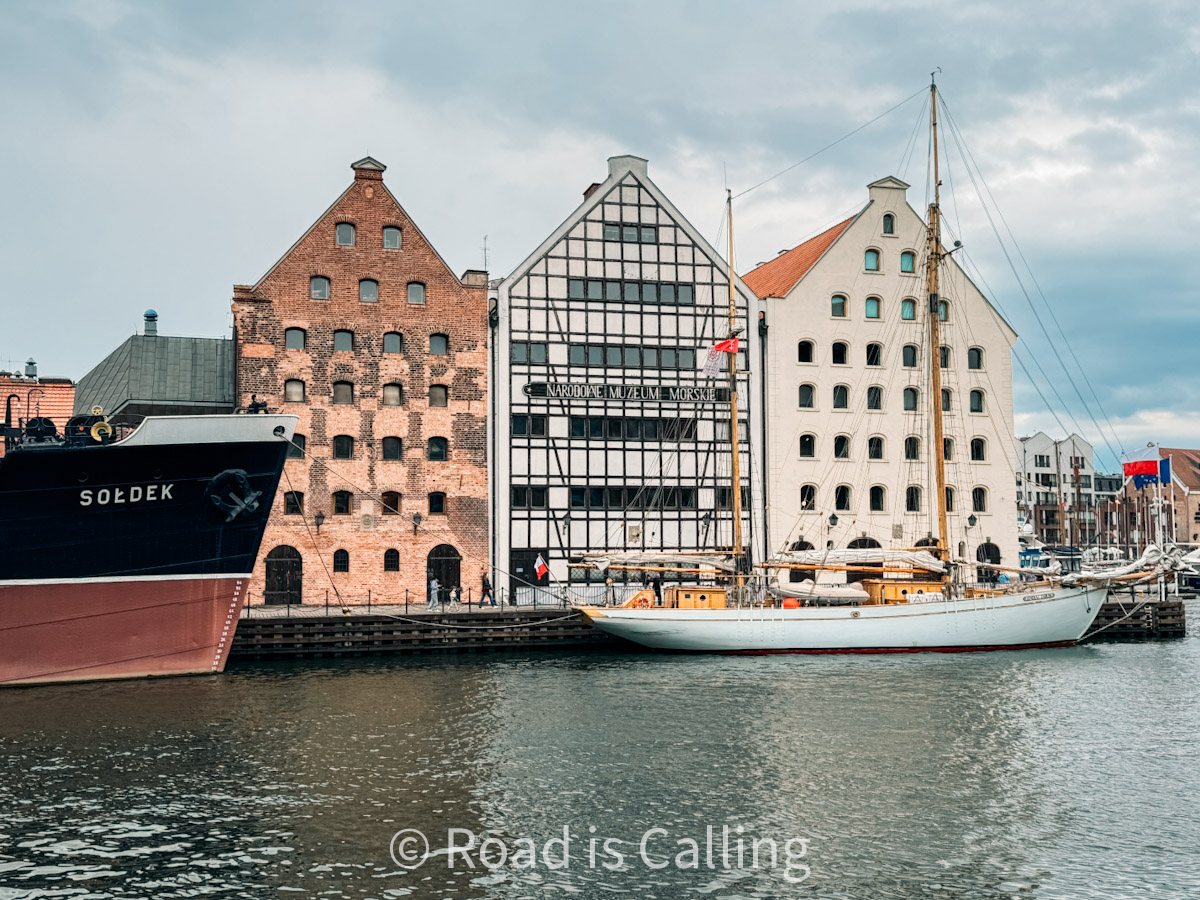
I’d heard for years from my relatives in Poland that Gdańsk is the place to be in summer if you want warmth without melting. They kept saying that I should come to the Baltic Sea in July or August because I can go to the beach without roasting. I finally got the chance this year when I had a layover on the way from Tenerife to Tallinn, and ended up staying almost a week at the end of June into early July.
It was much cooler than I expected — chilly, in fact. We were wearing jackets most of the time; my husband even had a long-sleeve shirt under a long-sleeve t-shirt. We were walking a lot, sightseeing all day, and never once felt overheated.
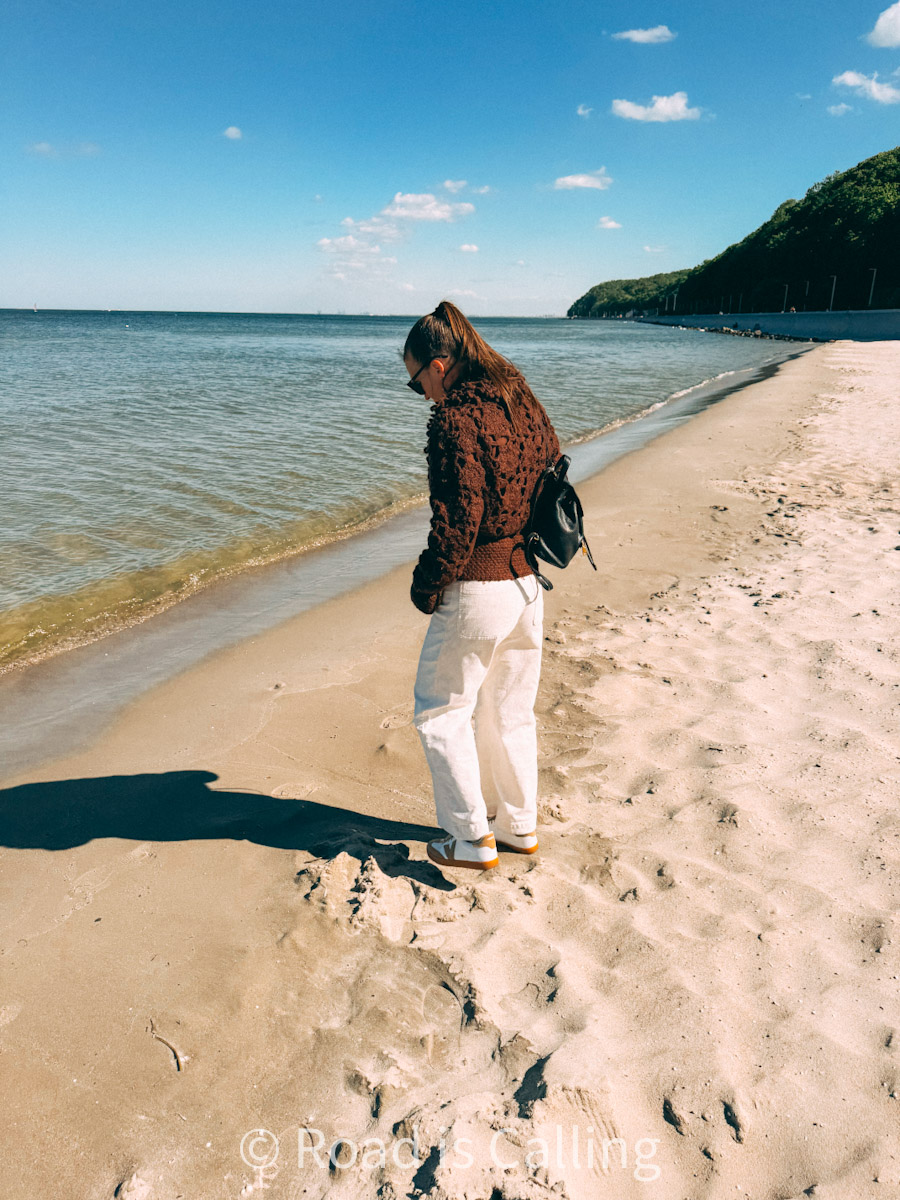
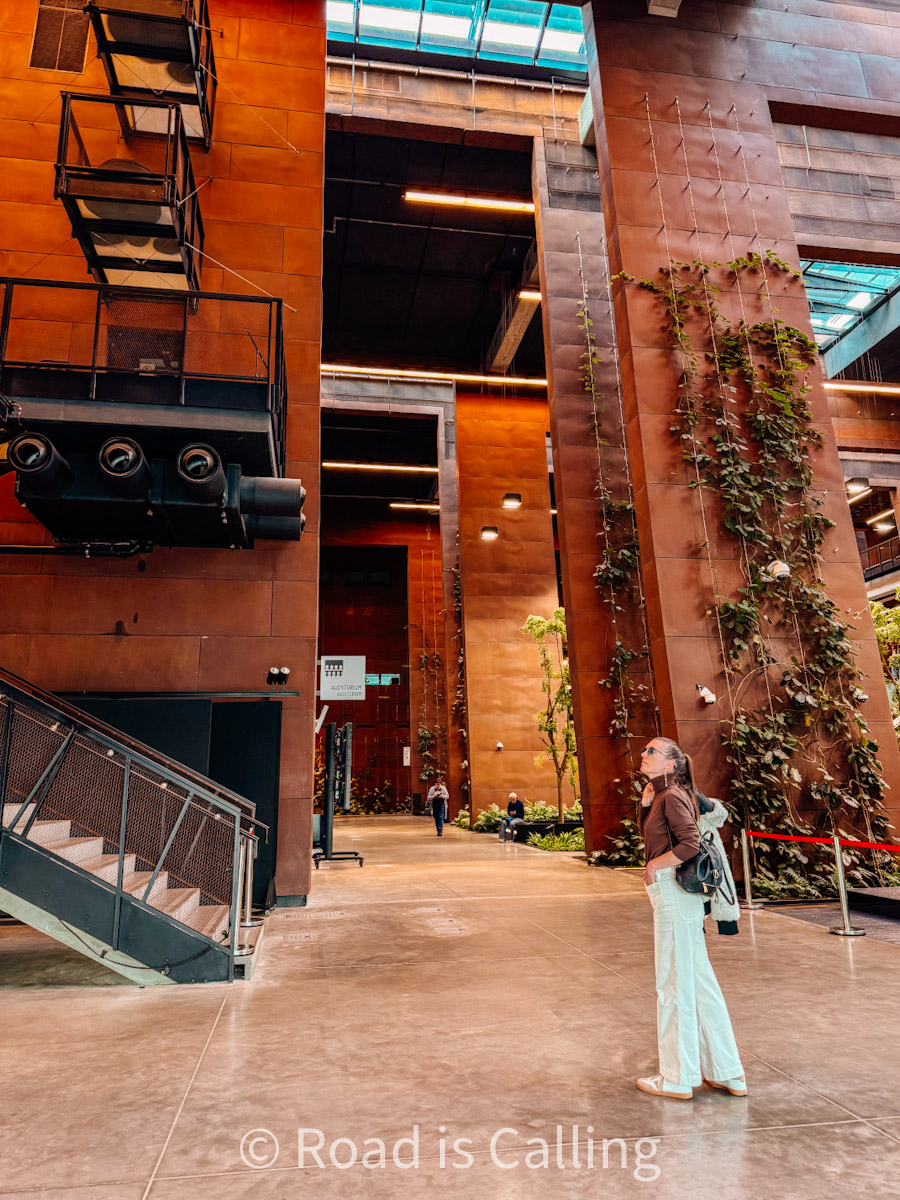
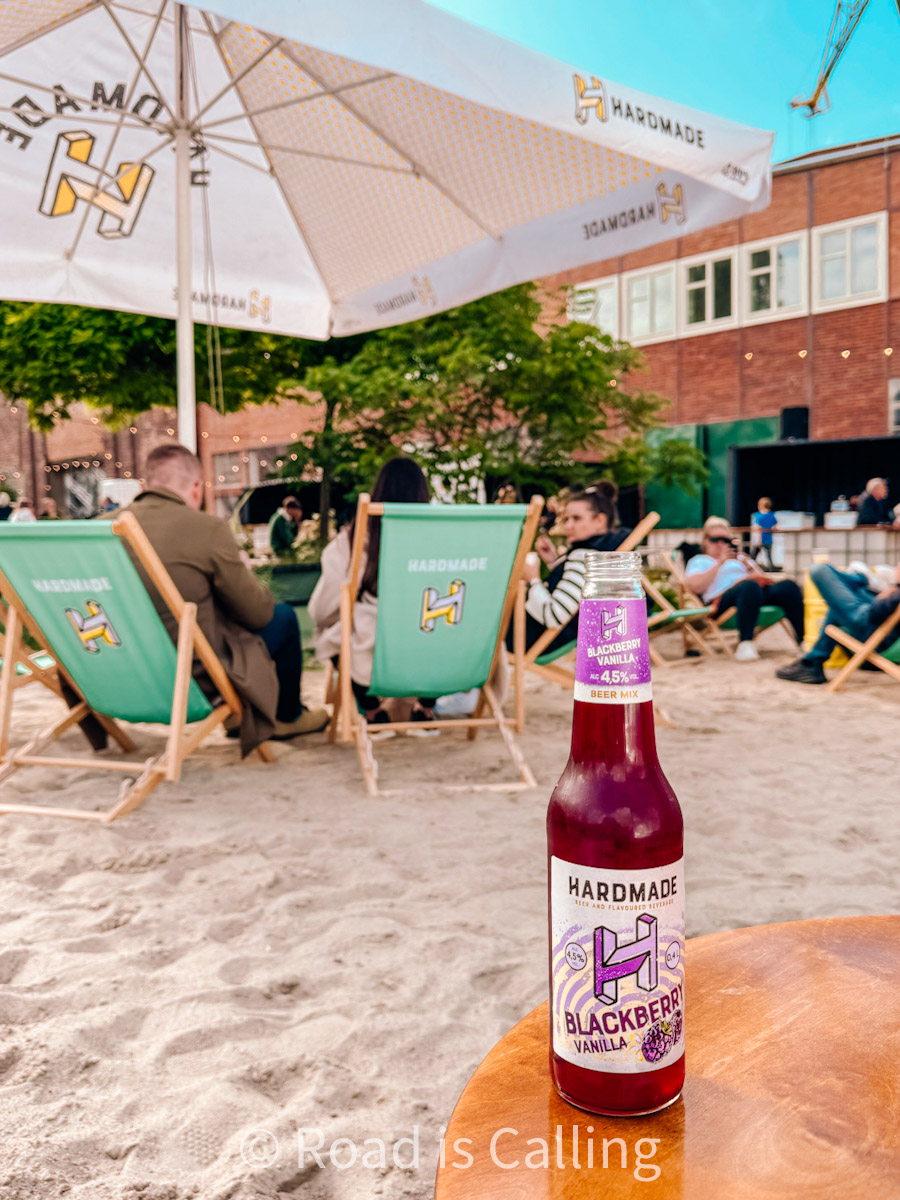
And I’m not basing this on just one week, but mainly on my relatives’ stories, and the fact that I actually kept checking Gdańsk’s weather all summer long because I have it pinned on my weather map.
Most of the time it was around 25°C, and yes, in early August there were even days showing 30°C, but nights always drop to 15–17°C, which cools everything down. The sea itself is cold too, so I’m sure even on warmer days the heat feels more bearable, with mornings and evenings bringing a proper chill.
So it is easy and pleasant to be outside here in summer. Even on sunny days, the air stays fresh (besides those few days here and there when it may hit 30, which is rare here).
Copenhagen, Denmark
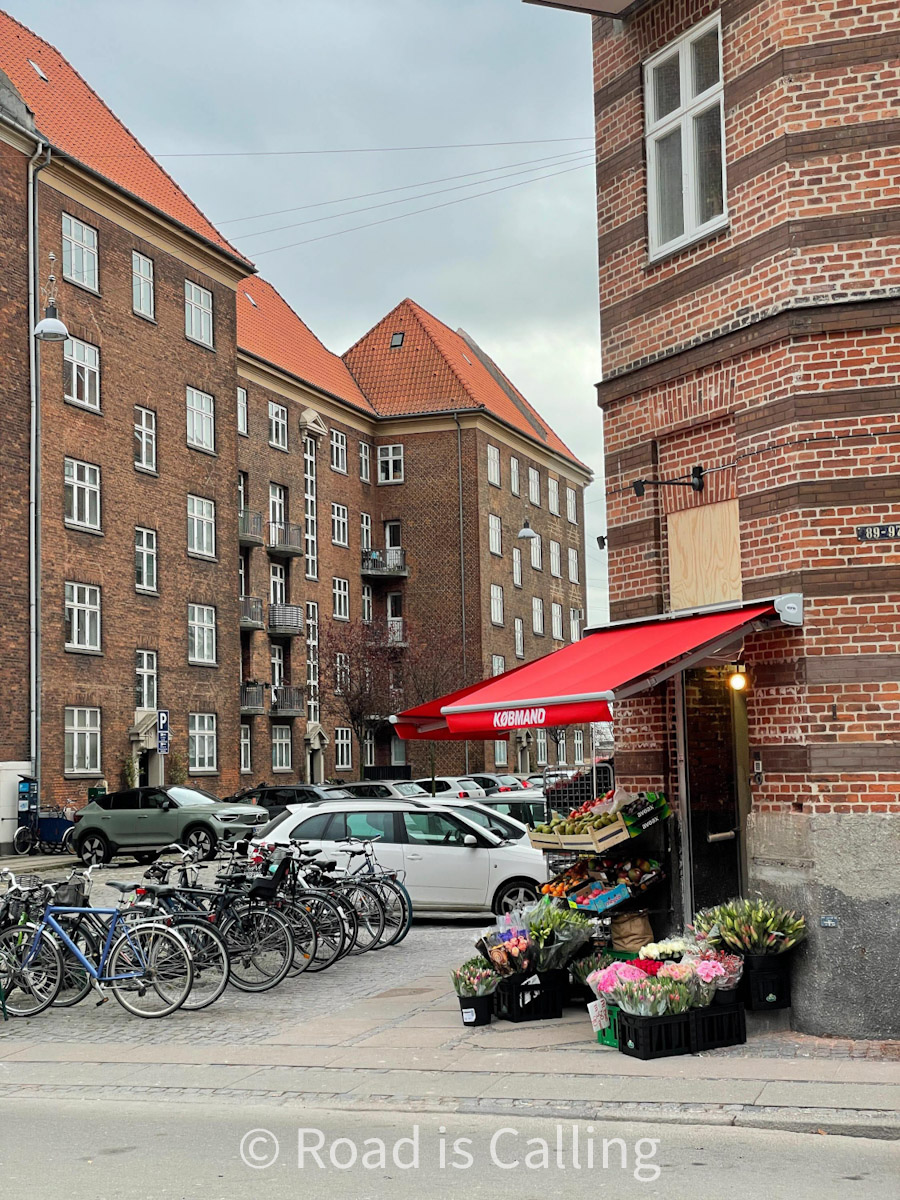
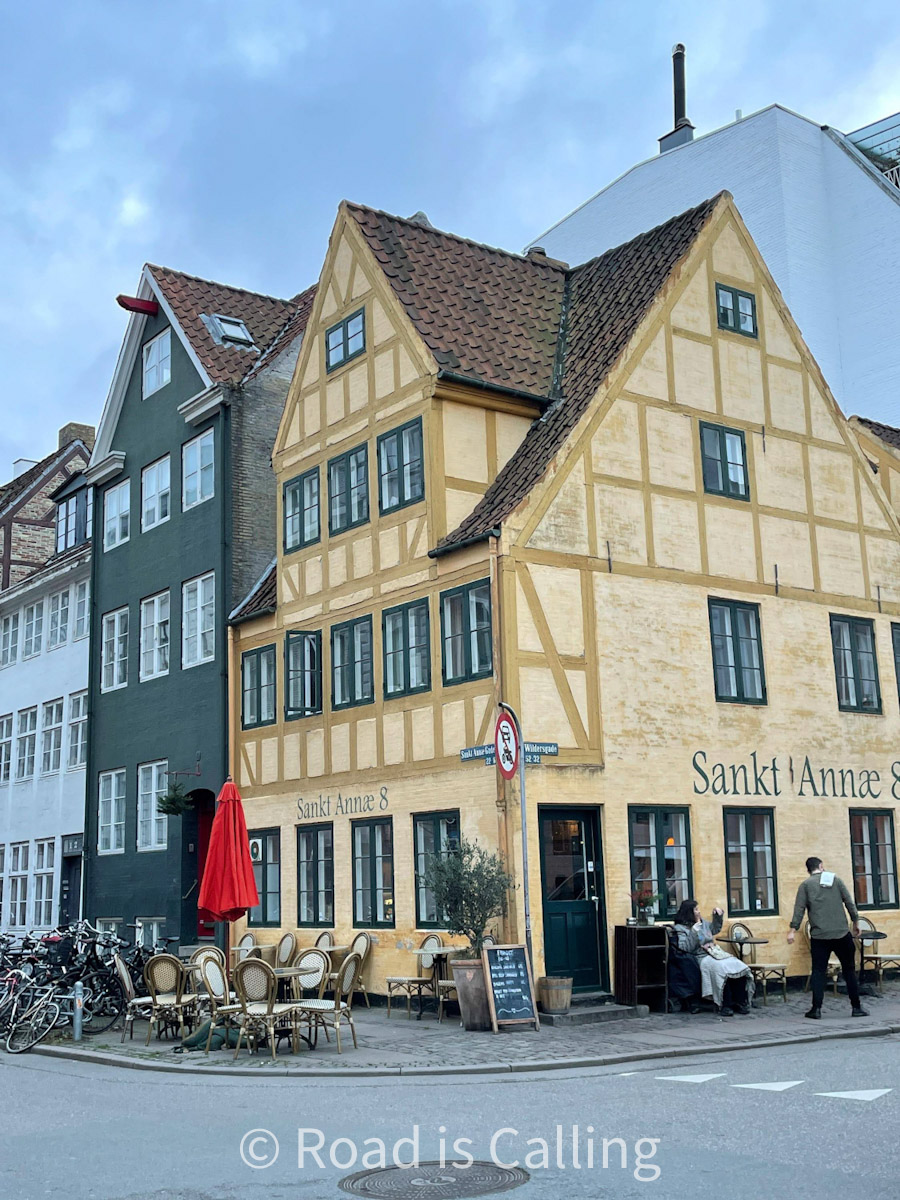
Copenhagen is one of the easiest capitals in Europe to enjoy in the middle of summer because it never gets uncomfortably hot. July and August daytime temperatures usually stay around 21°C, and it’s rare for them to reach 25°C.
Even when they do, the city’s location on the Øresund Strait means there’s almost always a breeze. This constant movement of air takes the edge off the heat and keeps the atmosphere fresh, so you can be outside all day without feeling like you need to hide in the shade. Evenings cool down to the mid-teens, so a shawl or wrap is worth having with you.
This weather is perfect for being active. You can rent a bike and ride along the waterfront or through the city’s parks without overheating, take a boat tour on the canals in the middle of the day, or sit outside at one of the harbourfront cafés for hours. On sunnier days, locals head to the harbour baths for a swim — the water is cool, and you’re never far from somewhere to dry off in the sun.
If you want to explore further, the cooler weather makes day trips easy. A short train ride takes you to Helsingør and Kronborg Castle, and from there you can follow the coastline through North Zealand, where the seaside towns (often called the “Danish Riviera”) have an even stronger breeze off the water.
So the combo of comfortable daytime temperatures, cool evenings, and constant fresh air makes Copenhagen a great choice if you want a place where it is not too hot in Europe.
Inverness, Scotland – a cool base for exploring the Scottish Highlands
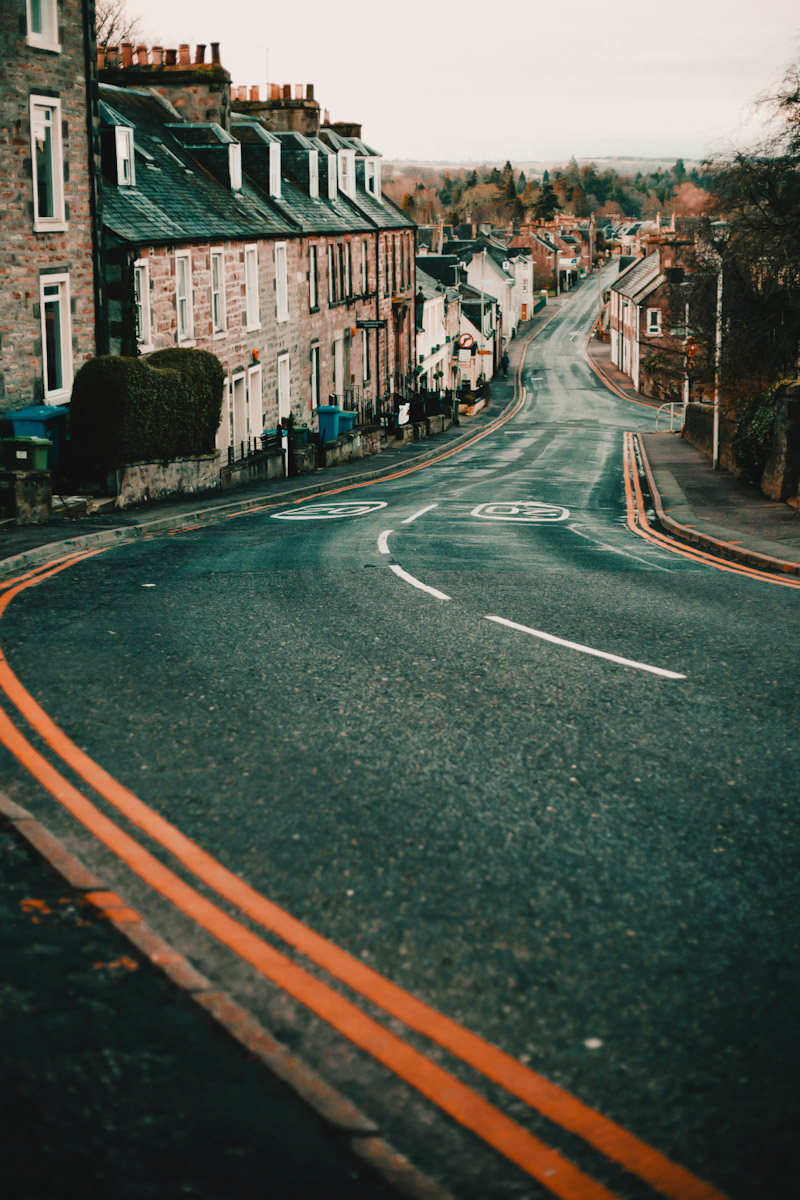
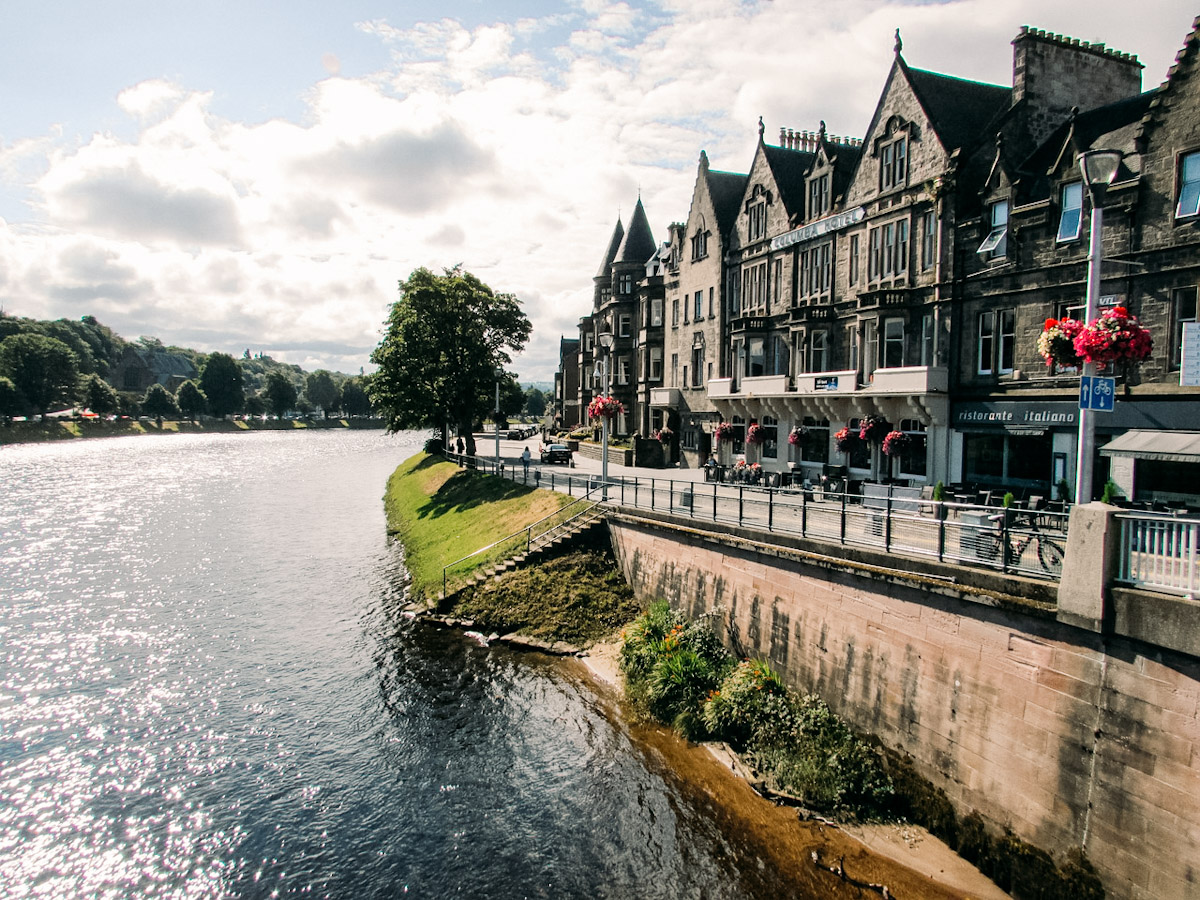
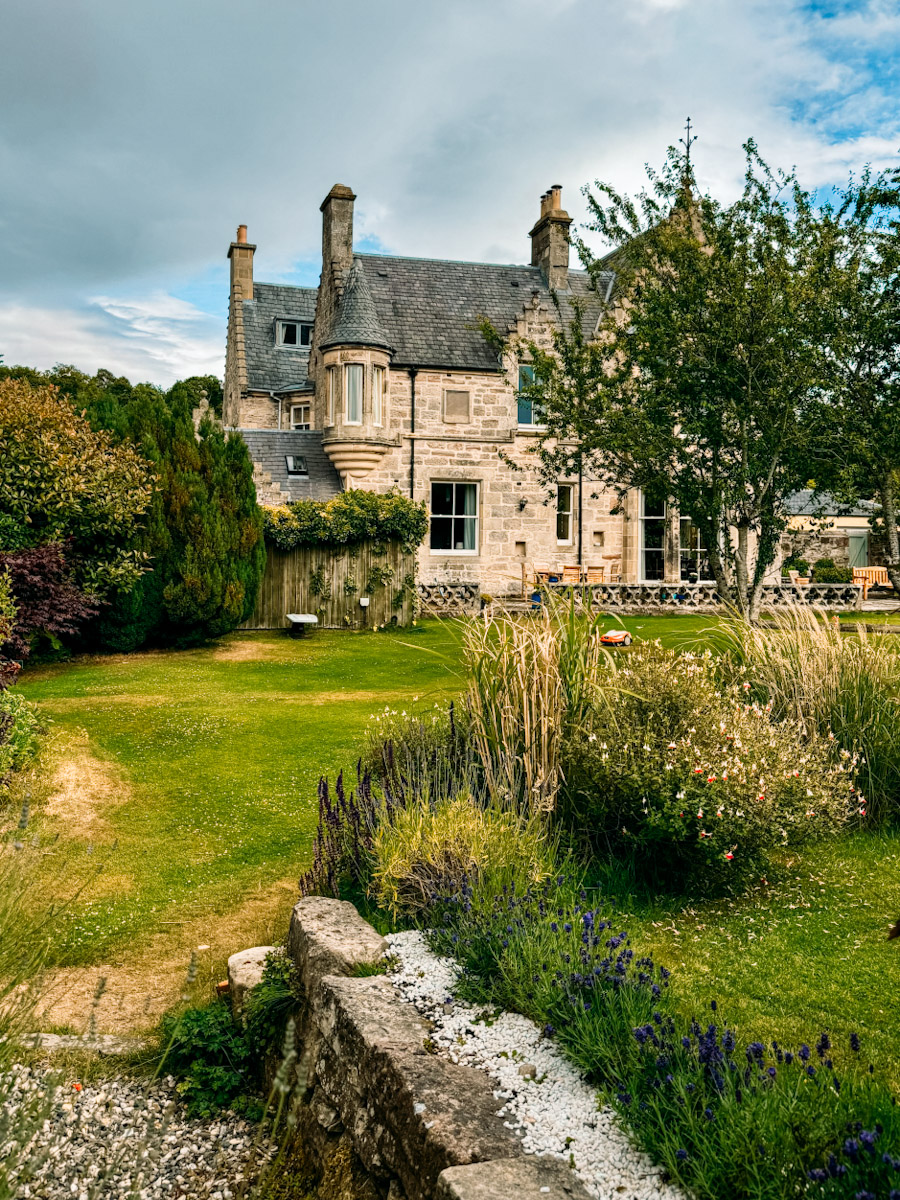
Inverness is unusual on this list because it’s inland (unlike other cities I mentioned), yet still cool through the height of summer.
In July and August, most days reach 18–19°C, but mornings can be as low as 10°C, sometimes with mist rising from the River Ness. It’s the kind of place where you start the day in a sweater and end it in just a t-shirt, or the other way around if the clouds roll in.
The city itself feels more like a large village than a capital of the Highlands (you can walk across it in 15 minutes) but it has all the basics for a trip: hotels, restaurants, and a train station.
What makes Inverness great in summer is how quickly you can change scenery and temperature. Drive east and feel the wind off the Moray Firth, head south to Loch Ness, or go west into Glen Affric’s pine forests. In less than an hour, you can go from light jacket weather to proper mountain chill in the Cairngorms.
It’s not the place for guaranteed sun, but if you want crisp mornings, mild afternoons, and the freedom to explore without heat slowing you down, Inverness is an easy, low-stress base.
More Cold Weather Spots in Europe in July & August
Galicia, Spain
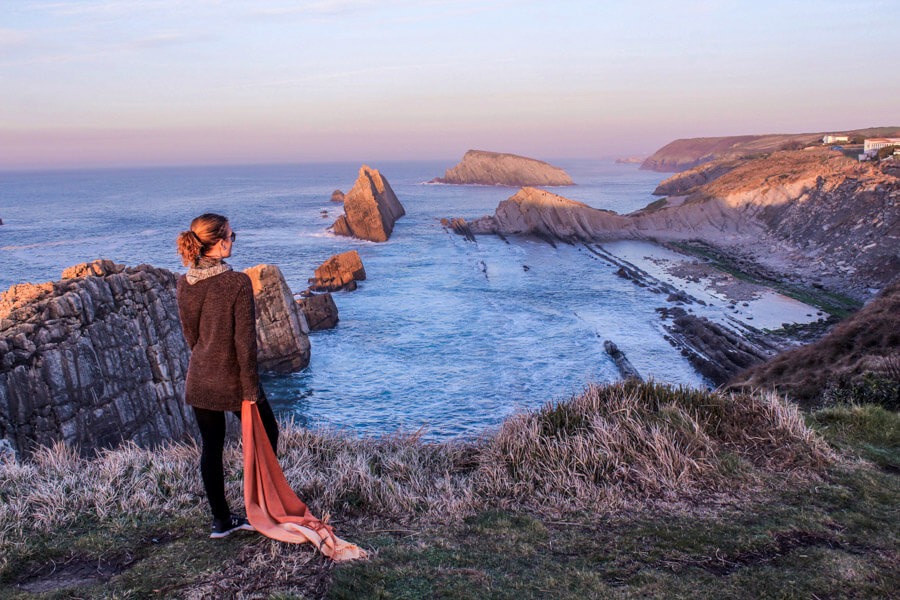
Spain’s certainly among the hottest European countries to visit in the summer, with temperatures in some locations soaring to over 40°C.
But visit Galicia in the northern Spain of the country for much milder temperatures (20-25°C on average), craggy Atlantic scenery (it’s known as “the Ireland of Spain” for its foreboding cliffs), and impressive gastronomy.
Go hiking in the Fragas do Eume Natural Park, a gloriously intact Atlantic forest, visit the rolling hills of Ribeira Sacra, a wine region, or simply slow down in one of the beautiful coastal towns.
Galicia may be cooler than other parts of Spain, but it also has incredible beaches, including Praia das Catedrais, otherwise known as Cathedral Beach, which consists of incredibly unique rocky outcrops. Or check out the beaches on the beautiful Cíes Islands. The difference is that on these beaches in the summer, you can walk around and explore comfortably with less of a risk of heat exhaustion!
Among all Spanish experiences, there are also a few fun festivals to check out in Galicia, including the Viking Festival in Catoira, which re-enacts the Viking landing in Torres de Oeste!
North Tenerife
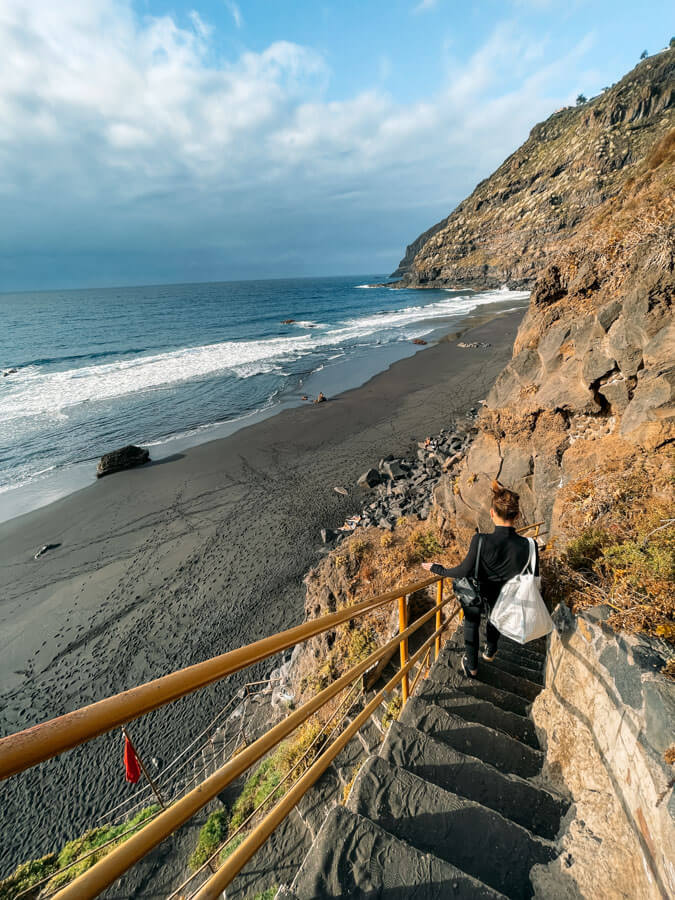
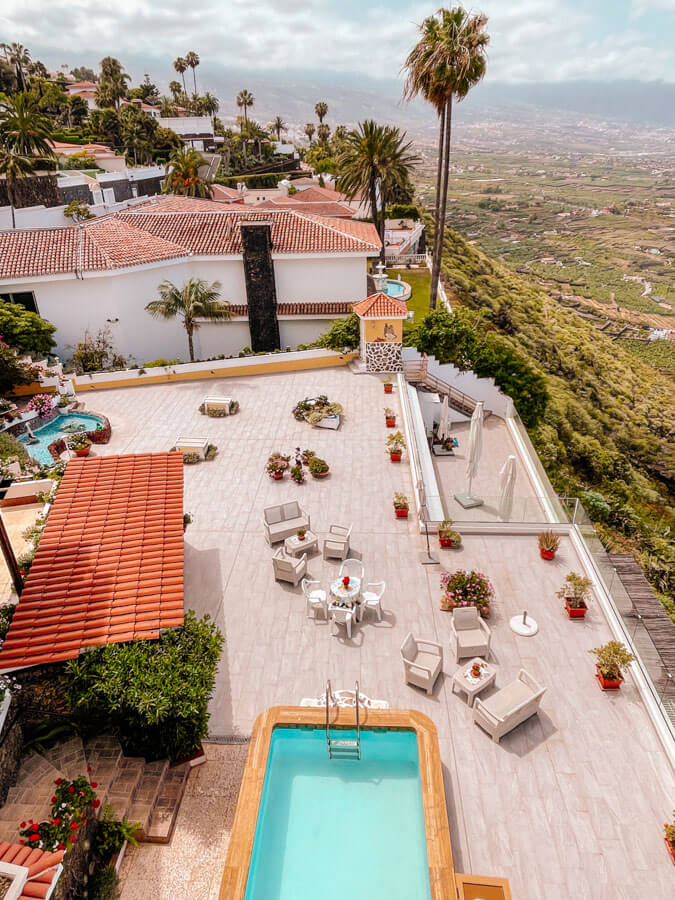
Tenerife is my home for part of the year, and I live in the north — the cooler, greener side of the island where temperatures are always mild, including July and August.
From June to August, it usually stays between 21°C and 25°C. Some days even feel cold (just like on one day by the ocean as you can see in my photo on the left above), especially in the higher parts or when the wind picks up.
Most people think of Tenerife as a winter escape, but the north in summer is one of the few places in Europe where you can have a true “ocean life” holiday (think breezes, waves, and lush landscapes) without overheating. It’s not Caribbean heat, but it’s fresh Atlantic air. Even in July, there are days when I can wear long sleeves or wrap myself in a shawl, and the skies can be cloudy while the south of the island is baking.
If you want a Hawaii-style trip with easy access to the ocean but no sweltering days, this is it. The weather makes it perfect for hiking the mountains of Anaga Park, exploring coastal trails or old towns, or doing nothing at all on a terrace with a view. And summer is a perfect time to go stargazing at its best in Teide since July and August bring a good chance of seeing the Milky Way.
I’ve written a lot about Tenerife north (and now starting with the south) on my other blog, dedicated solely to the island and the Canary Islands archipelago. You can read all of it here on TenerifeTravelTips website.
Caucasus Region in Georgia Country
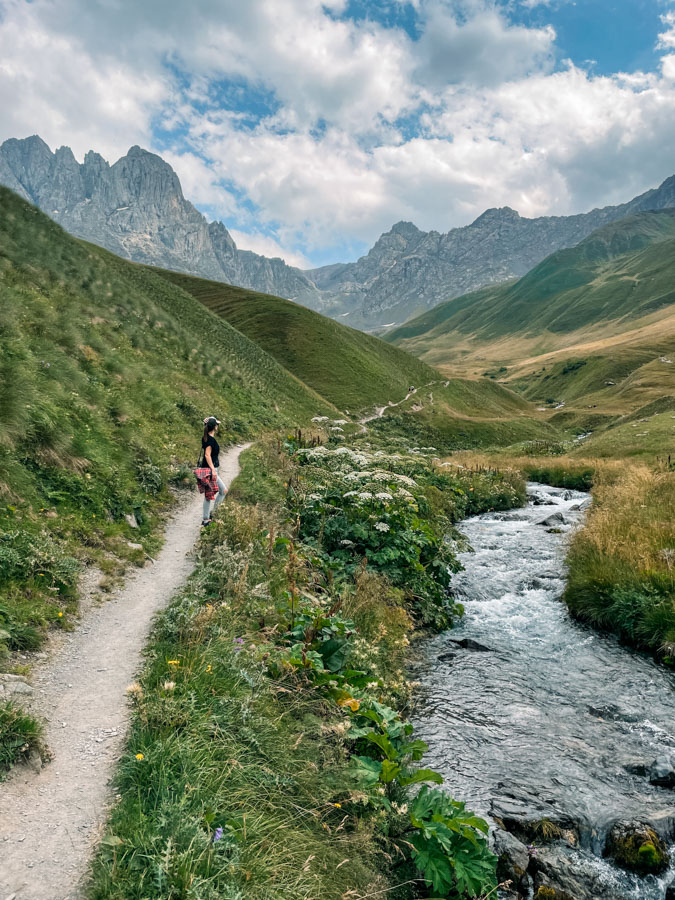
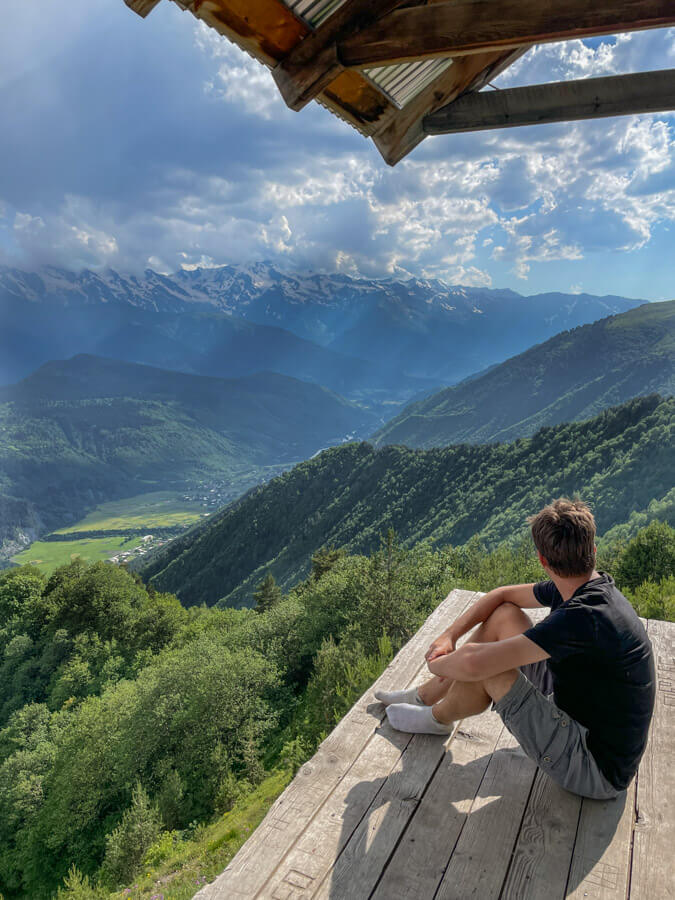
Georgia country in summer, on average, can be very hot. However, thanks to the Caucasus mountains that create different climates, there are some truly impressive areas that are quite cool in summer.
If you go from Tbilisi to Kazbegi, you’ll find incredible landscapes that provide relief from the heat with high mountains, vast valleys, and cold rivers in the background. Juta village as a high mountain settlement offers access to some of the most scenic hiking trails, while Rooms Hotel Kazbegi overlooks Mount Kazbek, the third-highest mountain peak in the Caucasus.
Kazbegi region is also home to one of the most breathtaking drives in the world and that is the Georgia Military Highway which you can drive for a week since the number of activities along this road is so high.
Other places that offer an escape from the oppressive heat are Gudauri, Bakuriani, and Mestia. All of them offer diverse landscapes and a wide array of activities. So if you like hiking, horseback riding, camping, or simply relaxing in the cool mountain air and want to know 100% it is not hot in August, then consider the Georgian mountains, especially if you are on a budget.
Do You Need More Information About Georgia?
Here are some of my posts about this country:
- Georgia Black Sea Coast – what to do and where to find the best gems
- Chalaadi Glacier Hike – what to know before you go
- Renting a car in Georgia – how to find your best car hire
- Georgia Road Trip – epic road trips to add to to your itinerary
- Visiting Ureki – Costa Rica of the Caucasus
- Best wineries in Georgia – for wine lovers
- Fall in Georgia – how to make the most of this season
Normandy, France
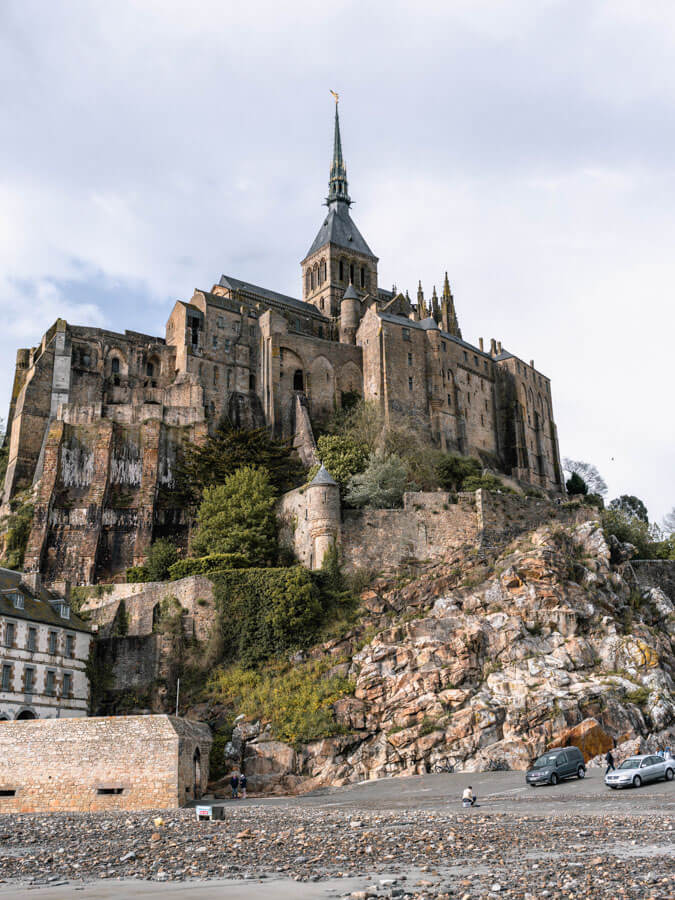
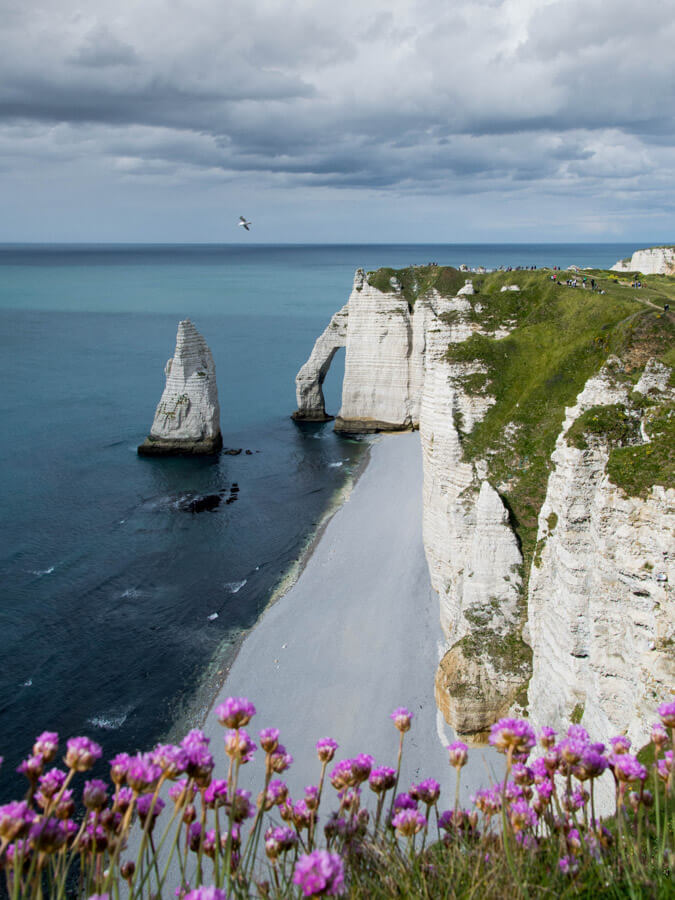
This is probably the coldest place in France in summer as Normandy doesn’t get the heat that bakes southern part of the country. In July and August, daytime temperatures are usually around 20–25°C, and evenings cool down quickly. The sea breeze is constant here, and it takes the edge off even on sunny days.
Compared to Paris and southern France by the coast, Normandy feels fresh, and you can spend the whole day outside without needing to hide from the sun.
It’s the kind of place where you can mix sightseeing with being by the water. The D-Day beaches are not just a historical site — they are wide, open stretches where the wind comes straight off the Channel. Towns like Bayeux make an easy base, with the famous tapestry, a cathedral, and museums all within walking distance.
And then there’s Mont-Saint-Michel. You see it from far away, standing alone in the tidal flats, and when you walk up through the old streets to the abbey, you realise how exposed it is to the wind.
Normandy’s coastline is full of places like this (rocky headlands, craggy beaches, and small fishing towns) and water is always cold enough to remind you you are in the north of France.
Iceland – Coldest Place in Europe in August
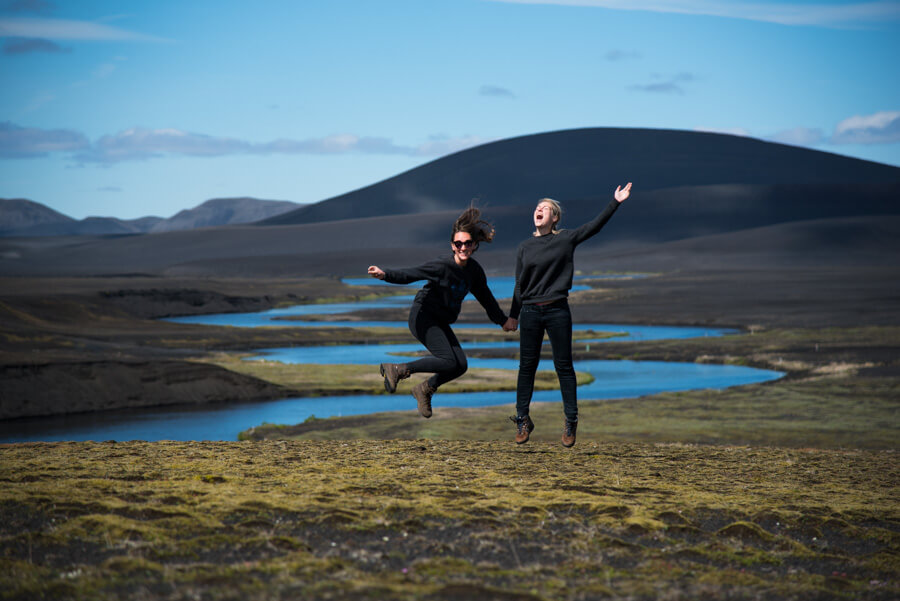
Of course, Iceland was going to make this list as it is really a cold place to visit in summer.
This country is beautiful any time of the year, and like northern Norway, it experiences midnight sun for a long time. This means that you can do all of your exploring not just in broad light but in the middle of the night if you desire! (But of course, exploring during the day is still an option too!).
The average temperature is usually around 15°C in August, although highs of up to 25°C have been recorded too (yet, that’s an occasional thing). Generally, it’s warm enough to sit outside and enjoy Iceland’s natural wonders, but it’s never too warm.
Spend endless days exploring spots like Thingvellir National Park where the Eurasian and North American continental plates meet (you can also snorkel through the plates – a fantastic summer activity!), see the iconic Kerid Crater where concerts are performed in the summer, or take in South Iceland’s Diamond Beach and the epic Skogafoss Waterfall.
Reykjavik’s worth a day or two of your time too, with tonnes of museums, epic views from the top of Hallgrimskirkja, and the stunning harbor lined with seafood restaurants.
Prefer the Heat? Here Are My Warm Summer Picks in Europe
- Amazing Beaches in Bodrum – my favorite places where to swim and relax in summer
- Places to Visit in Istanbul – best for summer & warm weather travel
- Bukovel in Ukraine – chalets and hotels for a summer trip
- Bucharest to Brasov Drive – cool road trip to have in summer
- Barcena to Valencia Drive – unique adventure by car along the coast in southeast Spain
- Oslo to Stavanger Road Trip – scenic circular route for July or August
- Munich to Oberammergau – how to explore this route by car
More Travel Inspiration
- Must-Visit Cold Places in Summer in the US – they have snow year-round!
- Places to Relieve Stress in Europe – awesome destinations for complete relaxation
- Beautiful Villages Near Salzburg – in the Bavarian Alps, some are cool in summer too
- Where to Go in Europe in November – based on my own travels
- Cheapest Places to Travel in Europe in Winter – how to save money and see more
Hi Anya
I really liked your article about Cooler destinations in Europe during summer ! Europe can be very hot during summer to the level it’s uncomfortable and exhausting to enjoy the sights ! I was in Swiss and French alps including Chamonix which was less hot compared to other places . I have been to Bergen In 2022 and really enjoyed the weather in July it was very comfortable . What do you think about places like Helsinki , Tallinn, Riga , Warsaw , are these places cooler in summer ?
Regards.
Munam
Hey Munam, glad to hear!
Warsaw is definitely not cool in summer, I have been there on a few occasions in July and August and it was so hot, I couldn’t take it, but maybe it was just a coincidence and happened to be that hot during my visits.
As for the Baltics, I haven’t been yet in Tallinn and Riga in July and August (going this summer, so will reflect on that), but last year we were tracking the weather (since planned to go) and it was continuously hot (more than 30 degrees Celsius) for extended period of time. Although, it may be connected to the global warming and perhaps it was just a last year thing.
I really appreciate this list—it’s such a refreshing reminder that summer travel in Europe doesn’t always have to mean sweltering heat! Your personal experiences make each destination come alive, and I love how you’ve highlighted the balance between stunning scenery and comfortable weather. Reading about places like the Tatras and Bernese Oberland instantly reminded me of the Langtang Valley Trek, where cooler mountain air makes every hike more enjoyable and the landscapes feel even more rewarding. This is such a helpful guide for anyone who wants to combine adventure with the simple joy of being able to explore without overheating!